
24/7 Customer Support

Free returns

Same-day & Next-day Delivery

Quality Guaranteed

Unlock Your Welcome Offers: FREE Delivery | Up to 80% OFF | Free 30-day JoyPlus trial
Download the APP
Navigating the world of hair care can feel overwhelming. With shelves lined with products all promising transformative results, it's easy to end up with a bathroom cabinet full of items that don't quite deliver. Many of us have been drawn in by a trendy ingredient or a sleekly designed tool, only to find it's not right for our hair or, worse, causes more problems. As the Joybuy Product Recommendation Officer, my role is to help you see past the marketing clutter and make informed choices. Let's look at the common pitfalls in hair care shopping and how to build a routine that truly works for you.
Before adding another product to your basket, consider these frequent traps that lead to wasted money and hair frustration:
hair mask for dry damaged hair can leave fine hair looking greasy and flat, while a lightweight volumising conditioner may not provide enough moisture for coarse, curly hair. Buying based on general popularity rather than your specific hair type and concerns is a primary pitfall.hair repair treatment products to fix the damage caused by your styling routine.To build an effective hair care routine, focus on the fundamentals. Understanding these core parameters will empower you to select products and tools that are genuinely suited to your needs.
The ingredient list is your most reliable guide. Here’s what to look for based on common concerns:
shampoo for dehydrated hair or a repair mask, look for hydrating agents and conditioning ingredients. Hyaluronic acid is excellent for attracting moisture, while oils like macadamia nut oil provide deep nourishment. Ingredients such as dimethicone and behentrimonium chloride, often found in conditioners and masks, help to smooth the hair cuticle, reduce friction and impart a silky feel.volumising conditioner should be lightweight. Avoid heavy butters and oils. Instead, look for ingredients like biotin and polymers such as polyquaternium, which can help to coat the hair shaft, creating the appearance of thickness and lift without weighing it down.hair oil for frizz will often contain silicones like dimethiconol or cyclopentasiloxane. These ingredients coat the hair to seal the cuticle, preventing moisture from the air from causing it to swell and frizz.The tools you use are just as important as the products. Making smart choices here can prevent damage before it starts.
hair straightener or curling wand, adjustable temperature control is non-negotiable. Different hair types require different heat levels; fine hair needs a much lower temperature than coarse hair. Look for plates made from ceramic or tourmaline, which distribute heat more evenly and reduce the risk of hot spots that scorch hair. Crucially, never apply heat without a protective layer. A heat protection mousse or spray creates a buffer between the tool and your hair, minimising thermal damage.Based on these principles, here are a few products matched to specific user needs. These selections stand out for their targeted formulas and practical features, helping you avoid the common traps.
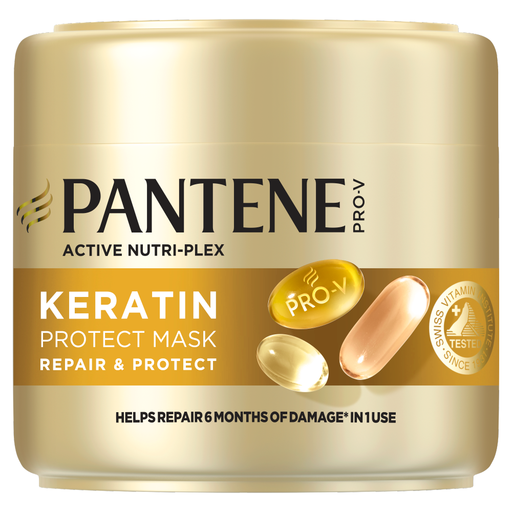
Why This Fits Their Persona: This user frequently uses heat tools and may have colour-treated hair, leading to dryness and breakage. They need an accessible, intensive treatment that can be easily integrated into their weekly routine to counteract the effects of daily styling.
It sidesteps the "miracle ingredient" trap by using a complete Pro-V formula with Active Nutri-Plex technology, focusing on overall hair health rather than just one component. It's a targeted hair repair treatment for styling damage.
According to Pantene, this intensive mask is clinically proven to help repair 6 months of styling damage in a single use. It is designed to nourish dry hair, enhance smoothness and improve shine.
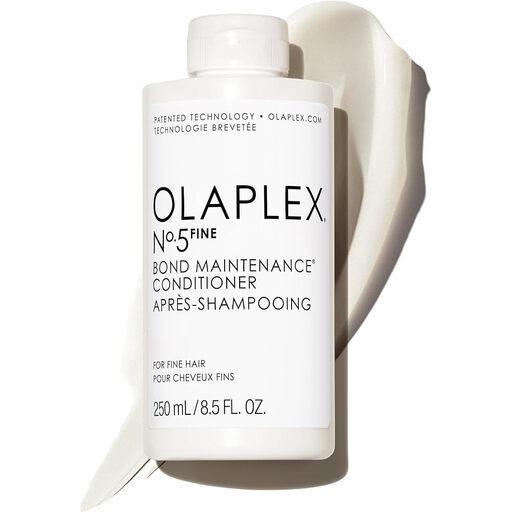
Why This Fits Their Persona: This user struggles with hair that gets weighed down easily. They need a conditioner that provides hydration and detangling without sacrificing volume, helping their hair look fuller and feel stronger.
This product directly counters the "one-size-fits-all" trap. It is specifically formulated as a weightless volumising conditioner for fine hair, acknowledging that this hair type has unique needs.
It combines hydration with bond-repair technology to strengthen hair, which is a significant benefit for fine hair prone to breakage. According to Olaplex's own research, it is clinically proven to help build lasting volume and body.
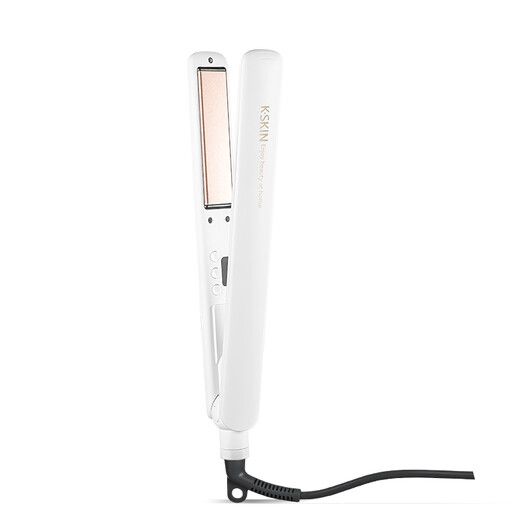
Why This Fits Their Persona: This user wants efficient, modern styling tools that offer control and help minimise damage. They value features that protect their hair while achieving a sleek look, whether straight or curled.
It directly addresses the "high-heat damage cycle" by providing nine distinct temperature settings (120℃-200℃). This allows the user to select the lowest effective heat for their hair type, preventing unnecessary damage.
The inclusion of negative ion technology helps to reduce static and frizz during styling. Its rapid 30-second heat-up time also adds a layer of convenience for busy mornings.
We have compiled a complete, real-time list of products that fully satisfy these strict selection criteria and UK safety regulations.
1. How often should I use a hair mask for dry damaged hair? For most people with dry or damaged hair, using an intensive hair mask for dry damaged hair once a week is a good starting point. If your hair is extremely damaged from chemical processing or heat, you might benefit from using it twice a week initially. Conversely, if you have finer hair, you may find that once every two weeks is sufficient to provide moisture without weighing your hair down.
2. Is a negative ion hair dryer really better for your hair? A negative ion hair dryer can offer tangible benefits. These dryers emit negatively charged ions that attach to the positively charged water molecules in your hair. This helps to break up the water more effectively, which can reduce drying time. More importantly, this process helps to seal the hair's cuticle, which locks in moisture and results in a smoother, less frizzy and shinier appearance. While not a magic wand, it's a technology that can contribute to healthier-looking hair, especially for those prone to frizz.
3. What is the difference between a hair oil and a hair serum? While both are used to tame frizz and add shine, they work differently. A hair oil for frizz, like argan or coconut oil, is primarily designed to penetrate the hair shaft to nourish and moisturise from within. A hair serum is typically silicone-based and works on the surface of the hair. It coats the strands to provide slip, protect from humidity and create a sleek, polished finish. Serums are often better for controlling frizz and adding shine without a greasy feel, while oils are more focused on deep conditioning.