
24/7 Customer Support

Free returns

Same-day & Next-day Delivery

Quality Guaranteed

Unlock Your Welcome Offers: FREE Delivery | Up to 80% OFF | Free 30-day JoyPlus trial
Download the APP
Finding suitable hair care products is not simply a matter of choosing the most attractive bottle or the longest list of promises. UK shoppers need to match a formula or styling tool to their hair texture, washing habits and styling routine. A shampoo that suits oily roots may leave bleached lengths uncomfortable, while a rich conditioner can make fine hair appear flat.
This guide explains the common buying traps, the specifications worth checking and our top recommendations for 2026.
Terms such as “bond care”, “repair” and “stronger hair” usually describe the product’s intended cosmetic effect or the brand’s own research. They should not be treated as medical claims or a guarantee against hair loss. Look instead for practical ingredients such as panthenol, conditioning polymers, ceramides, proteins or biotin, while remembering that a shampoo is rinsed away quickly.
If breakage is your concern, reduce mechanical stress as well: detangle gently, avoid excessive heat and use conditioner on mid-lengths and ends.
A sulphate-free shampoo may be useful for dry, curly or colour-treated hair, but “sulphate-free” does not automatically mean that every scalp will prefer it. Alternative cleansing agents can still remove oil effectively, and some formulas may not remove heavy styling residue as efficiently.
Check the complete ingredient list and consider how often you wash. A lightweight cleanser may suit frequent washing, while a richer formula may be more appropriate for dry lengths.
A hair dryer brush, heated styling brush and multi-styler hair dryer are different products. A dryer brush combines airflow and brushing, whereas a thermal brush heats dry hair and does not dry wet hair. A multi-styler hair dryer normally uses airflow with interchangeable attachments.
This distinction matters in a small UK bathroom: buying the wrong type can leave you needing another appliance.
For dry or damaged hair, look for moisturising ingredients such as glycerin, panthenol, coconut-derived ingredients, oils or conditioning agents. A shampoo for dry and damaged hair should clean the scalp without leaving the lengths feeling tight. Follow with a conditioner, applying it mainly from the mid-lengths downwards.
For fine or flat hair, a volumising shampoo for fine hair should have a lighter texture and avoid leaving a heavy coating. Silicone-free options can appeal to shoppers who prefer a less conditioning finish, although silicones themselves are not automatically unsuitable.
Curly hair generally benefits from cleansing that does not leave the fibre feeling stripped. A shampoo for curly hair may include conditioning ingredients and be labelled sulphate-free. Use a wide-tooth comb or fingers while the conditioner is present, and avoid rough towel drying.
For dyed or chemically treated hair, select a colour-safe shampoo where possible. Look for clear usage guidance, fragrance information and the full ingredients list. “Colour-safe” does not mean colour will never fade; washing frequency, water temperature and heat styling also influence longevity.
When choosing a heated styling brush, check:
Always use heated tools on dry hair unless the instructions specifically state otherwise. Apply heat protection, keep the tool moving and allow it to cool fully before storage.
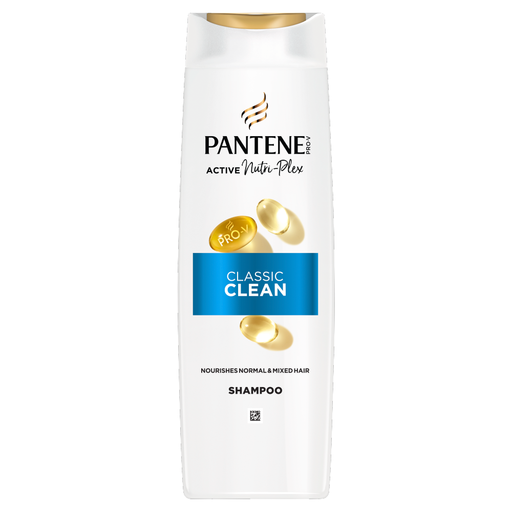
Why This Fits Their Persona: A straightforward everyday shampoo for normal or mixed hair, suitable for shoppers building a simple routine without specialist requirements.
The 325ml size makes it easier to trial before committing to a larger format. Note that the ingredient list includes sulphate cleansers, so it may not suit every dry or sensitive-feeling scalp.
325ml bottle; formulated without mineral oils or colourants; designed for normal and mixed hair.
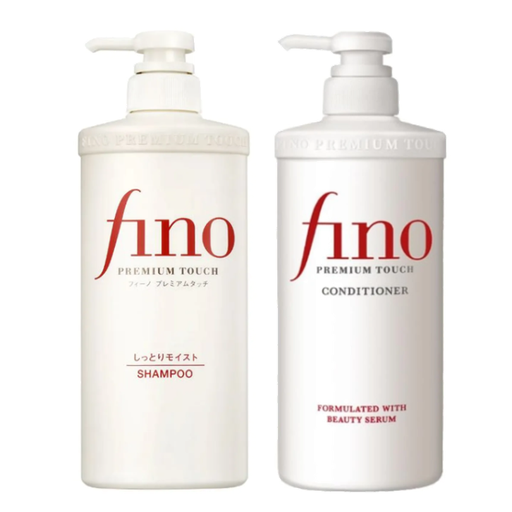
Why This Fits Their Persona: A 550ml shampoo and conditioner bundle for people managing dry, dull, damaged, dyed or permed hair as part of a consistent routine.
The bundle supports a complete wash routine rather than relying on shampoo alone. Its ingredient list does include fragrance and sulphate-based cleansing agents, which shoppers should review before purchase.
Large 550ml shampoo and conditioner sizes; includes royal jelly extract, PCA and hydrolysed wheat protein; suitable for dyed and permed hair according to the product description.
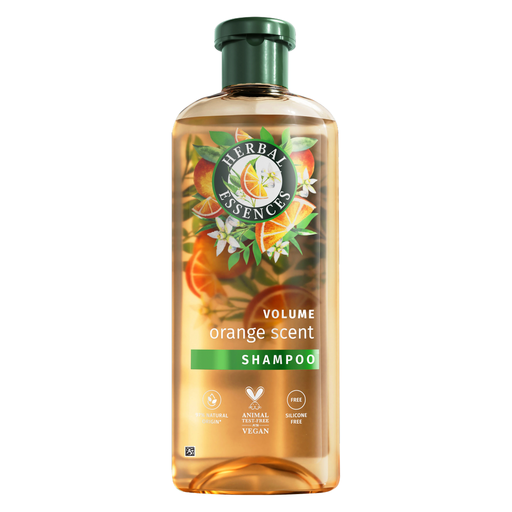
Why This Fits Their Persona: Suitable for shoppers seeking a lighter daily wash for fine or flat hair, particularly those who prioritise vegan and cruelty-free options.
The silicone-free formula addresses concerns about weighty-feeling fine hair. However, its citrus fragrance and listed allergens may not suit fragrance-sensitive users.
250ml size; silicone-free; vegan and cruelty-free according to the product information; labelled colour-safe.
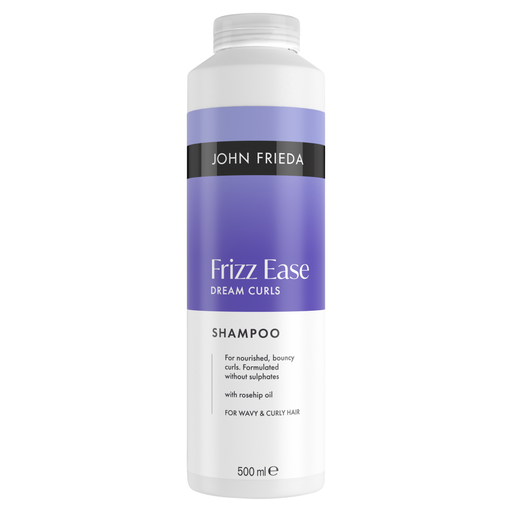
Why This Fits Their Persona: Designed for curly and wavy hair, it suits users who want a dedicated wash step for moisture retention, definition and everyday frizz management.
The product is clearly identified as sulphate-free and intended for curls, avoiding the confusion between a curl-specific cleanser and a general shampoo.
500ml bottle; sulphate-free and vegan according to the product information; labelled colour-safe; includes rosehip oil.
For a home blowout, the Revlon Salon One-Step Hair Dryer and Volumiser combines airflow with an oval brush and offers two heat settings plus a cool shot. It is intended for damp hair, but follow the product instructions and avoid using excessive heat on fragile lengths.
The Wavytalk Thermal Brush is a different category: it uses a 38mm heated barrel, five temperature settings from 150°C to 215°C and a UK plug. It must be used on dry hair, so it is more suitable for reshaping or adding bounce after drying.
For one appliance covering drying, smoothing, curling and volume, the Uniorange M8 8-in-1 Multi-Styler Hair Dryer includes multiple attachments, four heat levels, three speeds and a cool-shot button. Its automatic curling attachment should not be used on synthetic wigs or extensions, as stated in the safety information.
Replace products according to the packaging’s period-after-opening symbol or expiry information. If the smell, colour or texture changes, or irritation develops, stop using the product. Store bottles in a cool, dry place and keep water from pooling around the cap.
Not necessarily. Salon-style results depend on the formula, hair condition, technique and suitable tools. Compare the ingredient list, bottle size, usage instructions and heat controls rather than assuming a professional label guarantees a better match.
Running cost depends on wattage and usage time. For example, a 1,400W appliance used for 15 minutes consumes roughly 0.35kWh. Multiply this by your electricity tariff to estimate the cost per use. Lower heat, shorter sessions and regular filter cleaning can help reduce unnecessary energy use.