
24/7 Customer Support

Free returns

Same-day & Next-day Delivery

Quality Guaranteed

Unlock Your Welcome Offers: FREE Delivery | Up to 80% OFF | Free 30-day JoyPlus trial
Download the APP
Navigating the aisles for hair care products can feel overwhelming. Shelves are packed with bottles promising miraculous transformations, but how do you separate genuine solutions from clever marketing? Many of us have a collection of half-used products that didn't live up to their claims, representing both wasted money and ongoing hair frustration.
As the Joybuy Product Recommendation Officer, my role is to help you see past the hype. We will look at the common pitfalls that lead to poor purchases and focus on what truly matters for your hair type and concerns.
Before you add another bottle to your basket, be aware of these frequent marketing tactics:
conditioner for damaged hair is likely to weigh down fine hair, while a lightweight volumising shampoo may not provide enough moisture for very dry hair. Effective hair care is targeted.To make a confident choice, shift your focus from marketing claims to these fundamental parameters.
The first step is to be honest about what you need. Is your main issue an itchy, flaky scalp? Or are your ends dry and brittle from colouring? Perhaps your hair is healthy but falls flat within hours of washing. Your primary concern dictates the type of product you should be looking for.
anti-dandruff shampoo or a dedicated scalp treatment.shampoo for dry hair and a nourishing conditioner.dry shampoo can also be invaluable for extending time between washes.volumising shampoo is designed to cleanse without weighing hair down.Instead of being swayed by exotic-sounding botanicals, learn to spot ingredients that are known to address specific issues.
If ethical considerations are important to you, look for official certifications. The term cruelty-free hair care is most reliable when backed by a recognised organisation. Look for logos from PETA or the Leaping Bunny programme, which indicate that the brand and its suppliers do not conduct or commission animal testing.
Based on these practical criteria, here are some product recommendations matched to common UK user needs.
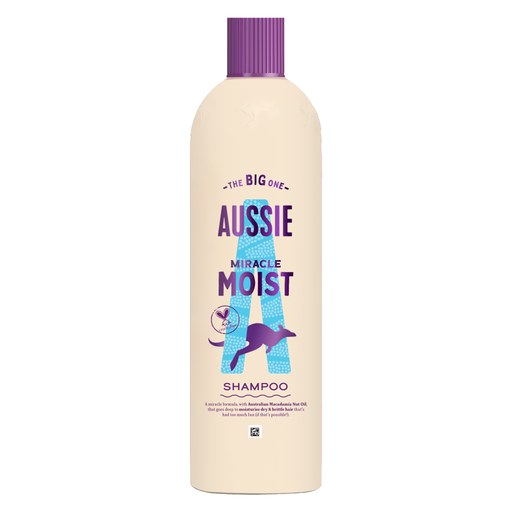
Why This Fits Their Persona: This is for someone with normal to dry hair who needs a reliable, affordable daily shampoo to combat dryness without complex routines. It's a straightforward solution for maintaining soft, hydrated hair.
It avoids the "one-size-fits-all" trap by focusing clearly on one job: providing moisture for dry hair. It doesn't promise to add volume or repair extreme damage, making it an effective specialist.
Formulated with Australian Macadamia Nut Oil for deep moisture. It is also PETA-certified, making it a solid choice for those seeking cruelty-free hair care.
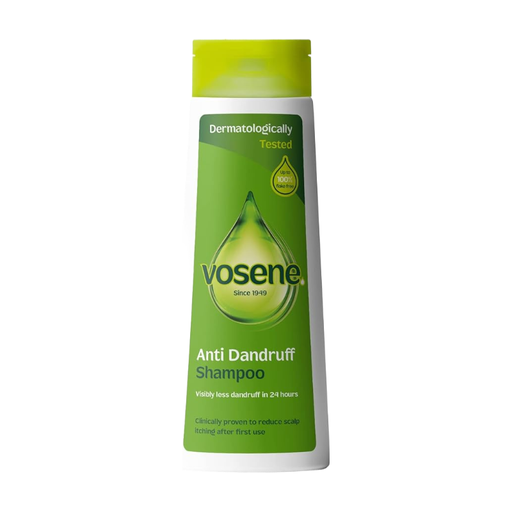
Why This Fits Their Persona: This user's priority is a clean, comfortable scalp free from flakes and itching. They need a functional product that delivers visible results for a persistent problem.
It cuts through the "natural" marketing trap by leading with a well-known active ingredient. Its claims are based on the function of Salicylic Acid, not on vague herbal promises.
Contains Salicylic Acid, a highly effective ingredient for managing dandruff. It is dermatologically tested and designed to work from the first wash to reduce flakes and scalp itching.
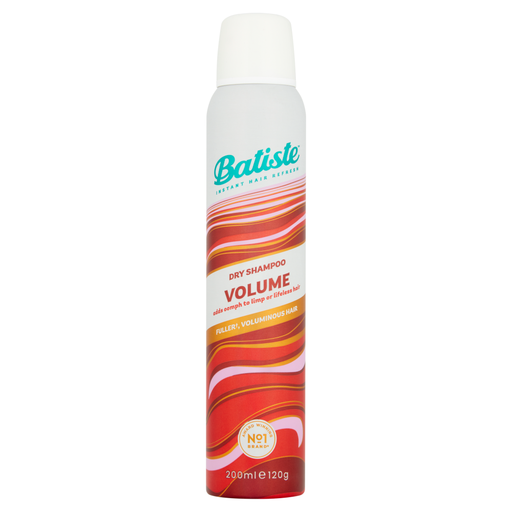
Why This Fits Their Persona: Perfect for busy individuals who need to refresh their hair between washes, absorb oil after a gym session, or add a quick boost of volume before an evening out. It's a problem-solver for modern, hectic lifestyles.
This is the opposite of a "one-size-fits-all" product. It is a highly specialised tool for a specific job—refreshing hair without water. It excels at this task precisely because it isn't trying to be a regular shampoo.
Instantly absorbs oil with a rice starch formula. The addition of a collagen complex helps to add volume and body to flat, lifeless hair, making it a dual-action styling product.
We have compiled a complete, real-time list of products that fully satisfy these strict selection criteria and UK safety regulations.
1. How often should I wash my hair? This depends entirely on your scalp and hair type. If you have an oily scalp, you may feel the need to wash it daily. If your hair is dry or curly, washing every 2-4 days might be sufficient to avoid stripping natural oils. A good rule of thumb is to wash it when it feels dirty, oily or uncomfortable.
2. What is the difference between a conditioner and a hair mask? A daily conditioner is designed to smooth the hair's cuticle, detangle and provide a light layer of moisture after shampooing. A hair mask is a more intensive scalp treatment or deep conditioning product. It contains a higher concentration of nourishing ingredients and is meant to be left on for a longer period (5-20 minutes) to penetrate the hair more deeply. You would typically use a mask once a week in place of your regular conditioner.
3. Is it worth paying more for salon-brand hair care products? Not always. While some salon brands offer highly specialised formulas with premium ingredients, many high-street products now contain the same effective active ingredients, such as hyaluronic acid or salicylic acid. The key is to read the ingredient list and match it to your needs, rather than focusing solely on the brand name or price tag.