
24/7 Customer Support

Free returns

Same-day & Next-day Delivery

Quality Guaranteed

Unlock Your Welcome Offers: FREE Delivery | Up to 80% OFF | Free 30-day JoyPlus trial
Download the APP
A crowded hair care aisle can make simple choices surprisingly difficult. Marketing often focuses on dramatic claims, attractive finishes and long feature lists, while the details that affect everyday use are easier to miss. The right hair care tools should suit your hair texture, routine, storage space and styling habits—not simply look impressive online.
Before buying, watch for these common pitfalls:
For wet hair, a microfibre hair towel turban can be more manageable than a bulky cotton towel. High-density microfibre made from a polyester and polyamide blend is designed to draw away moisture while remaining lightweight. However, “microfibre” alone does not confirm the towel’s size, thickness or comfort.
The YIJINCHAN towel turbans listed here measure approximately 65 cm by 40 cm and weigh about 90 g. They use an elastic fastening with a button or loop, helping the wrap stay in place while you dress or prepare breakfast. The product listing states that the design can cut drying time by up to 50% compared with regular towels; treat this as a product claim rather than a guaranteed result, as drying time varies with hair length, density and how much water is removed first.
For fragile, curly or colour-treated hair, gently squeeze out excess water before wrapping. Avoid twisting hair tightly, and follow the care instructions: cold machine washing, mild detergent and no bleach, fabric softener or ironing.
A paddle hair brush has a broad, flat surface that can cover larger sections of hair. This may be useful for longer, thick or straight hair, particularly when blow-drying. A cushion base and rounded or flexible bristles can make the brushing motion more comfortable, but technique remains important.
For detangling, start at the ends and work gradually towards the roots. This reduces the amount of force placed on knots. If you have curls, brush wet hair with suitable conditioning products and consider whether the brush’s spacing and flexibility match your preferred styling method.
An anti-frizz hair brush may help smooth the surface of hair by reducing static and distributing strands more evenly. It cannot replace heat protection, appropriate drying temperature or careful sectioning. Always follow the manufacturer’s instructions, especially when using a brush alongside a hairdryer.
Cordless hair care tools can be convenient for bedrooms, gym bags and travel, but check what “cordless” actually means. Look for the power source, charging requirements, operating controls and approximate weight. A battery-operated brush may be easier to handle than a mains-powered tool, but it still requires regular charging.
For a red light hair growth brush, check the stated wavelength and whether the product provides clear usage instructions. The STYLPRO Root Renew model specifies 655 nm red LED light, flexible silicone bristles and sonic massage. These are product features; they should not be interpreted as a medical treatment or guaranteed hair-growth outcome. Avoid using any tool on broken or irritated skin, and stop if it causes discomfort.
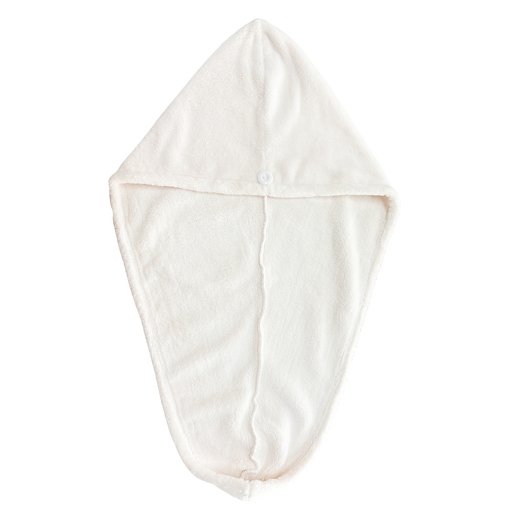
Why This Fits Their Persona: A lightweight option for people building a practical wash-day routine without buying several separate hair-drying accessories. It is also compact enough for a UK gym bag or weekend trip.
The listing provides the fabric blend, measurements, approximate weight and fastening method, rather than relying only on a general “quick-dry” description.
High-density microfibre blend; reusable and machine washable; elastic fastening with button or loop.
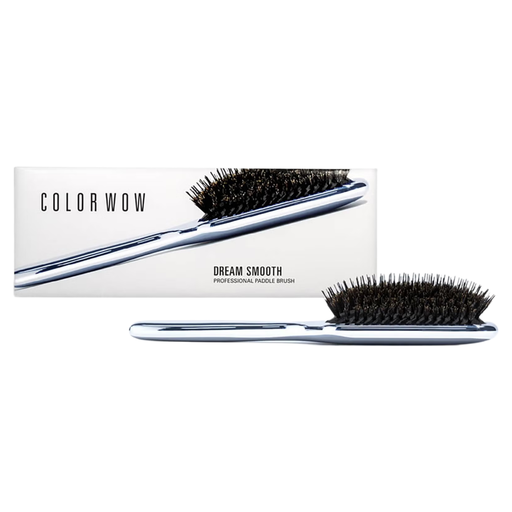
Why This Fits Their Persona: Suits users who want one substantial brush for wet or dry detangling, smoothing and blow-drying, including home stylers and salon professionals.
Its product information identifies the cushion base, rounded-tip nylon bristles and ABS body, making the construction easier to assess.
Wide paddle shape; rounded-tip bristles; lightweight ergonomic handle; designed for wet and dry hair.
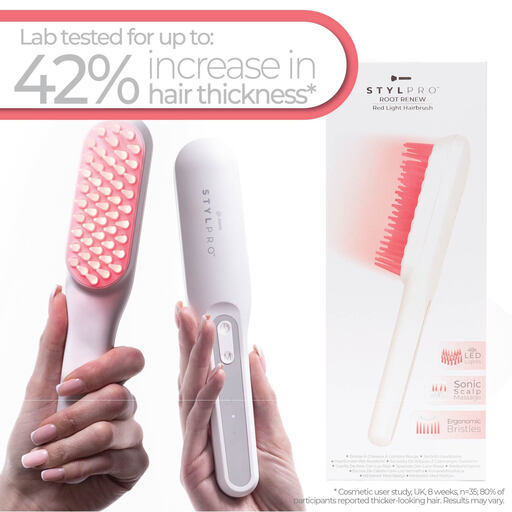
Why This Fits Their Persona: Appropriate for shoppers specifically seeking a cordless scalp massage brush with a technology-led daily routine at home or while travelling.
The specification states the 655 nm red LED wavelength, battery operation, silicone bristles and approximate dimensions instead of leaving the technology undefined.
Cordless battery-operated design; flexible silicone bristles; sonic scalp massage; approximately 0.25 kg.
Hair care tools last longer when they are cleaned and stored according to their materials. Remove loose hair from brush bristles regularly and wipe the brush body with a damp cloth. Do not submerge products unless the instructions specifically allow it.
Microfibre turbans should be washed without fabric softener, which can affect absorbency. Let them dry fully before storing to reduce lingering dampness. For battery-operated tools, use the supplied charging method, avoid exposing them to excessive heat and check the battery instructions before packing them for travel.
When comparing cost, include replacement needs, cleaning effort and electricity use. A non-electrical detangling hair brush or towel has no charging cost, while a cordless device typically uses small amounts of electricity but depends on battery condition and charging frequency. Practical durability information is often more useful than a low initial price alone.
We have compiled a complete, real-time list of products that fully satisfy these strict selection criteria and UK safety regulations.
No single tool suits every routine equally. Look for flexible bristles and careful detangling for fine, fragile or curly hair, while a broad paddle brush may cover thick or long hair more efficiently. Always adjust technique, section size and heat exposure to your hair’s condition.
There is no universal replacement schedule. Replace a brush when bristles become bent, sharp, loose or uncomfortable, or when the cushion is damaged. Replace a towel turban when the fabric no longer absorbs effectively, the fastening fails or the material becomes persistently rough or misshapen.
Their electricity use is generally linked to battery charging rather than continuous mains operation. The practical cost depends on charging frequency, battery capacity and the device’s lifespan. Check the charging instructions and avoid leaving the unit connected unnecessarily if the manufacturer advises against it.