
24/7 Customer Support

Free returns

Same-day & Next-day Delivery

Quality Guaranteed

Unlock Your Welcome Offers: FREE Delivery | Up to 80% OFF | Free 30-day JoyPlus trial
Download the APP
Buying electric hair clippers can look straightforward until you compare battery claims, cutting lengths, attachments and cleaning instructions. A low-priced model may seem suitable, yet prove awkward for thick hair, children’s hair or regular beard trimming. Conversely, a feature-heavy kit may include attachments you never use.
This guide explains the practical specifications to check before choosing cordless hair clippers, a rechargeable hair clipper or a complete home haircut kit.
“Up to” battery figures are measured under particular conditions. Hair thickness, cutting resistance and attachment use can affect how long the clipper runs between charges. For occasional trims, 50–60 minutes may be sufficient. For several family haircuts or frequent buzz cuts, look for around 100–120 minutes of stated runtime, or choose a cord/cordless model that can operate from the mains.
A men's hair trimmer designed for stubble or a bald finish is not automatically suitable for longer hairstyles. Check the shortest cutting length and the longest guide comb included. A clipper offering 0.8 mm may be useful for short styles, while a range reaching 24 or 25 mm gives more flexibility for gradual cuts and children’s hair.
Washable hair clippers vary considerably. Some have detachable rinseable blades, while others are designed to be rinsed under running water but must not have the charging port immersed. A non-waterproof model may require brushing and oiling instead. Always follow the product’s instructions, disconnect the charger before cleaning and allow components to dry fully before storage or charging.
For a close trim, inspect the blade system and minimum cutting length. Precision-ground stainless steel blades, T-blades and adjustable taper levers can help with edging, blending and short cuts. However, blade sharpness alone does not guarantee a particular result; technique, hair type and the correct guide comb also matter.
An adjustable hair clipper should have clearly defined settings or secure comb attachments. Combs that click firmly into position reduce the risk of accidentally changing length during use. For a fade or taper, a lever can provide finer control between the main comb sizes.
Rechargeable hair clippers are convenient for bathrooms, travel and cutting around a child without a trailing cable. Look for:
Lithium-ion batteries are common in cordless models and generally offer consistent power during use. Runtime figures remain estimates, so a low-battery indicator is a useful practical feature.
For family use, a low-noise motor and a comfortable grip may make haircuts easier, particularly when trimming children’s hair. A lightweight body can also reduce hand fatigue during longer sessions.
If buying children’s hair clippers, use the correct guard, keep the cutting head away from skin folds and supervise the process. Products described as suitable for pets should still be used cautiously: animal coats differ from human hair, and the manufacturer’s instructions should be checked before use.
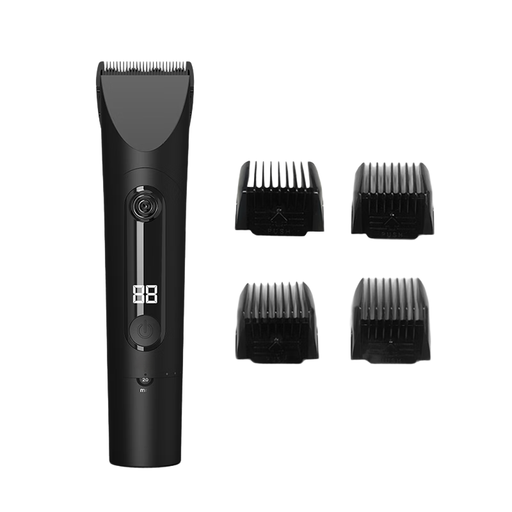
Why This Fits Their Persona: A household-focused option for shoppers wanting one lightweight trimmer for adult, children’s and selected pet-grooming tasks.
Its fully washable design addresses cleaning concerns, while the low-noise specification may be more practical for nervous children. Confirm the permitted cleaning method before rinsing.
Lightweight ergonomic body, low-noise motor and washable construction.
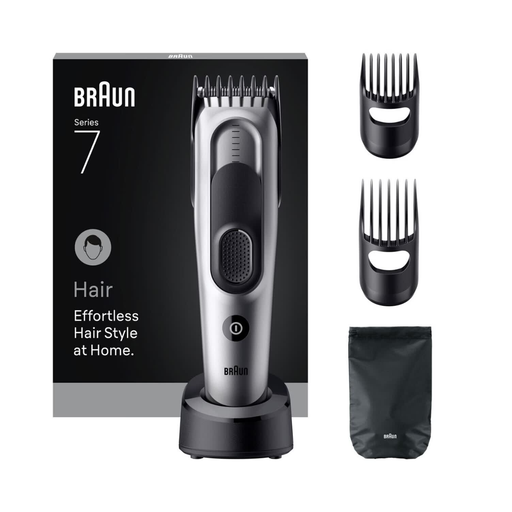
Why This Fits Their Persona: Suitable for shoppers who prioritise repeatable length selection, straightforward cleaning and a broad range for home styling.
The 17 settings cover 3–24 mm, helping avoid buying a close-cut-only tool. Its washable design also reduces brush-only maintenance, subject to the supplied safety instructions.
Up to 100 minutes cordless runtime, 17 length settings and a stated 5-minute quick-charge function.
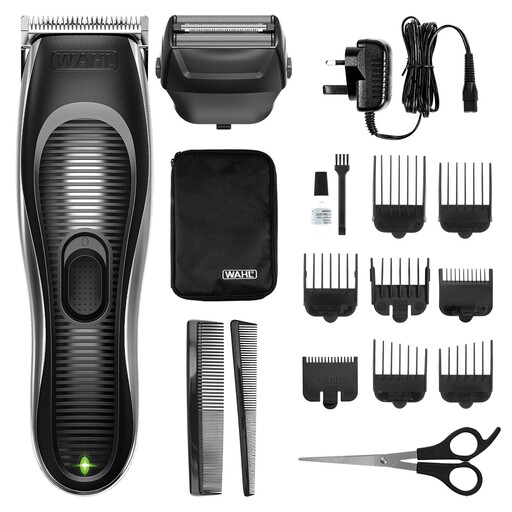
Why This Fits Their Persona: Designed for users who regularly maintain bald shaves, buzz cuts or very short hair and want two cutting systems in one kit.
It does not rely on a single close-cut head: the kit combines a foil shaver and clipper, with guide combs for 1.5–13 mm cuts.
Up to 120 minutes runtime, 0.2 mm foil finish, 0.8 mm clipper setting and cord/cordless operation.
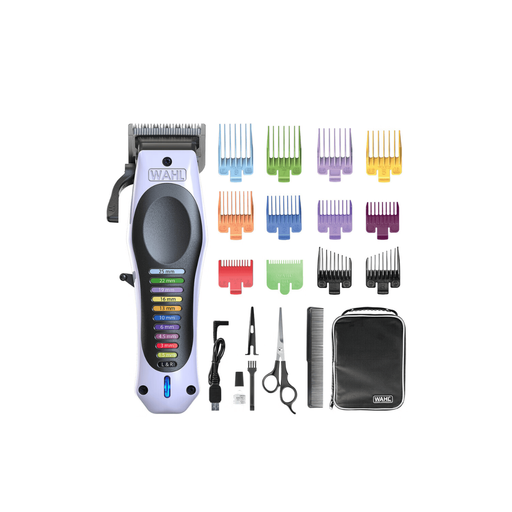
Why This Fits Their Persona: A practical choice for households cutting adult and children’s hair at several lengths, without being tied to a socket.
The colour-coded comb system makes length selection clearer for beginners, while corded and cordless use helps prevent an interrupted family haircut.
Up to 120 minutes cordless use, 10 combs covering 0.7–25 mm and an adjustable taper lever.
We have compiled a complete, real-time list of products that fully satisfy these strict selection criteria and UK safety regulations.
Before the first haircut, charge the appliance as directed and check that each guide comb is secure. Start with a longer guard than your intended finish; removing more hair is easier than correcting an overly short cut.
For a consistent result:
For beard trimming, select a smaller guard and use a men's hair trimmer designed for facial detail if the kit includes one. Head-hair clippers may be powerful, but they are not always shaped for precise moustache, nose or ear grooming.
Yes, provided the runtime and cutting range match the job. For one haircut, 50–60 minutes may be adequate. If several people will use the device, consider a model with around 100–120 minutes of stated runtime and corded backup.
Brush away loose hair after each use. Rinseable or washable hair clippers should be cleaned as instructed, then dried thoroughly. Blade oil is commonly applied after cleaning, but the manufacturer’s guidance takes priority. Regular maintenance can help the blades move smoothly and reduce pulling.
Their running cost is usually limited because charging involves a small rechargeable battery. The exact cost depends on the battery capacity, charging frequency and domestic electricity tariff. A corded clipper draws power only while switched on, while a rechargeable model uses electricity during charging. Check the charger rating and avoid leaving the appliance charging unattended.