
24/7 Customer Support

Free returns

Same-day & Next-day Delivery

Quality Guaranteed

Unlock Your Welcome Offers: FREE Delivery | Up to 80% OFF | Free 30-day JoyPlus trial
Download the APP
Navigating the world of home grooming can feel like a minefield. You decide to take control of your style, save a bit of money and invest in a set of hair clippers, only to be met with a wall of confusing marketing claims. As a Joybuy Product Recommendation Officer, my role is to help you sidestep the common traps and find a tool that genuinely works for your needs, whether you're a first-timer or a seasoned home barber.
Many shoppers fall for the same pitfalls. Let's look at the three most common issues that lead to buyer's remorse:
By understanding what truly matters, you can avoid these traps and choose a clipper that will serve you well for years.
Instead of focusing on marketing buzzwords, pay attention to these core features. They are the true indicators of a quality electric hair trimmer.
The blades are the most critical component of any clipper. Their material and design determine the quality of the cut and the longevity of the device.
Your clipper's power system dictates its reliability and convenience.
A great clipper is easy to use and maintain.
Based on these practical criteria, we've matched a few standout models to different user needs.
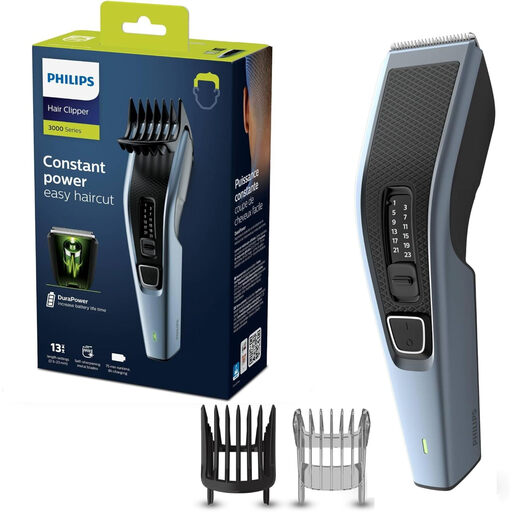
Why This Fits Their Persona: Ideal for those new to home haircuts or on a budget. It's a reliable, no-fuss tool from a trusted brand that focuses on core performance rather than unnecessary extras. It's perfect for simple, consistent trims for the whole family.
It sidesteps the "attachment overload" trap by using a single, well-designed adjustable comb for 13 length settings. The Trim-n-Flow technology also directly addresses the frustration of hair clogging the blades, a common issue with cheaper models.
Self-sharpening stainless steel blades ensure long-lasting performance. It can be used corded or cordless, providing flexibility and reliability.
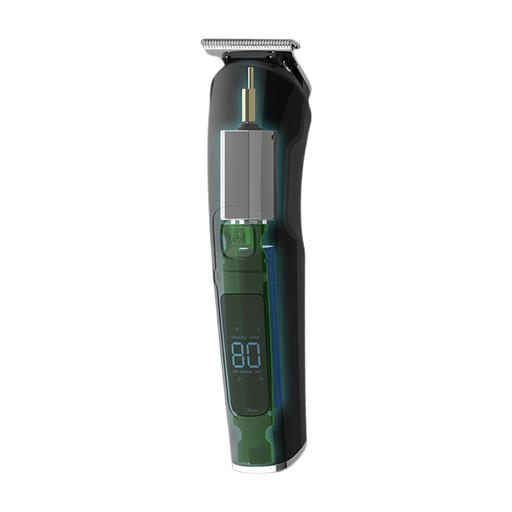
Why This Fits Their Persona: This is a complete men's grooming kit for the man who wants one tool for everything: hair, beard, nose and body. Its versatility is matched by practical features for someone who values efficiency in their grooming routine.
It counters the "unrealistic battery" trap with a clear LED display showing the exact battery percentage. The IPX6 waterproof rating also makes it genuinely easy to clean, unlike kits with non-washable heads that are difficult to maintain.
Includes multiple specialised heads (T-blade, shaver, nose trimmer) for targeted grooming. A 90-minute runtime from a 1.5-hour charge is highly practical.
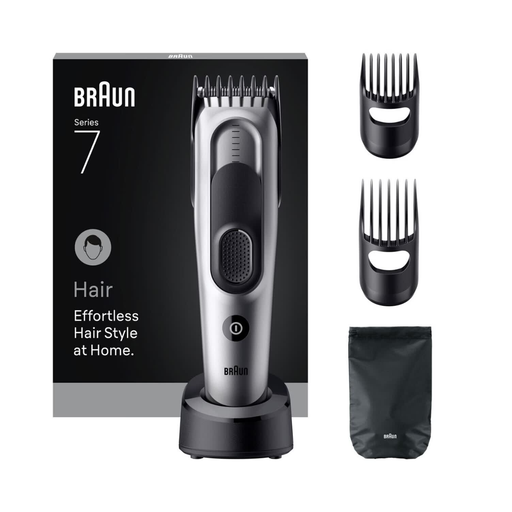
Why This Fits Their Persona: For the user who takes their grooming seriously. Whether tackling very thick hair, executing precise fades or simply wanting a flawless result every time, this clipper provides the power and control needed for advanced home styling.
It demolishes the "professional power myth" with its AutoSense technology, which actively reads hair density and adjusts motor power accordingly. This isn't just a label; it's a functional feature that prevents snagging and ensures a consistent cut.
Features lifetime-sharp blades and a precision dial with 17 lengths for ultimate control. The Memory SafetyLock system remembers your last-used setting, adding convenience to its high performance.
We have compiled a complete, real-time list of products that fully satisfy these strict selection criteria and UK safety regulations.
For optimal performance and longevity, it's good practice to clean the blades after every use and apply a few drops of clipper oil. If your clipper is used weekly, oiling it once every two to three cuts is generally sufficient. If it's used less frequently, oiling after each use will help prevent corrosion and keep the blades moving smoothly. Always refer to the manufacturer's instructions.
While many beard and hair trimmer models are versatile, their suitability for a full haircut depends on the blade width and motor power. Trimmers designed primarily for beards often have narrower blades, which makes cutting a full head of hair a much slower process. For regular haircuts, a dedicated hair clipper with a wider cutting head (typically around 40-45mm) and a robust motor is a more efficient choice.
The main differences are heat, sharpness and durability. Ceramic blades do not conduct heat as much as steel, so they stay cooler during long grooming sessions. They can also hold a very sharp edge. However, they are more brittle and can shatter if dropped. Stainless steel blades are more durable and resistant to impact. High-quality, self-sharpening stainless steel blades offer excellent, long-lasting performance and are the most common choice for their reliability.