
24/7 Customer Support

Free returns

Same-day & Next-day Delivery

Quality Guaranteed

Unlock Your Welcome Offers: FREE Delivery | Up to 80% OFF | Free 30-day JoyPlus trial
Download the APP
Finding the right hair conditioner is not simply a matter of choosing the largest bottle or the product with the most impressive claims. Fine hair can become flat, dry hair may still feel rough after washing and rich formulas can leave curls weighed down or coated.
For UK shoppers, the most useful approach is to match the conditioner to your hair’s texture, current condition and washing routine. The following guide explains what to check before buying, common marketing pitfalls and suitable options for different needs.
A moisturising conditioner for dry hair may contain richer emollients and oils. This can be useful for brittle, coarse or chemically treated hair, but fine hair may lose volume if the formula is applied too heavily or too close to the roots.
If your hair is fine, look for descriptions such as lightweight, weightless or volumising conditioner. Apply mainly to the mid-lengths and ends rather than the scalp.
Terms such as “repair”, “bond-building”, “salon finish” and “72-hour protection” describe a product’s intended positioning, not a promise that every user will achieve the same result. Hair porosity, heat styling, water hardness and washing frequency all affect performance.
For example, a bond-repair conditioner may be a sensible choice for hair exposed to bleaching, colouring or frequent heat styling, but it cannot reverse every type of damage. Check the full product description and ingredients rather than relying on one headline claim.
A hair conditioner 500ml bottle may offer more product for regular household use, but a 250ml bottle can be more practical for testing a formula or travelling. Leave-in products, such as a 145ml or 200ml spray, are used differently from rinse-out conditioners and should not be compared solely by millilitres.
Start with one main requirement:
A traditional rinse-out conditioner is applied after shampooing, left for around one to three minutes where directed and washed out thoroughly. It is suitable for most everyday routines.
A leave-in conditioner remains on the hair. These products can provide extra softness, frizz control or styling support, but using too much may leave fine hair limp or create unwanted residue. Apply a small amount from the mid-lengths to the ends and follow the packaging instructions.
Read the ingredient list if you are sensitive to fragrance, essential oils, silicones or particular preservatives. Fragranced products may not suit everyone and “natural origin” wording does not automatically mean a formula is suitable for sensitive skin.
Also check the net content, packaging and usage directions. A 250ml conditioner may be useful for occasional use, while 500ml can be more economical for frequent washing, depending on price and the quantity needed per application.
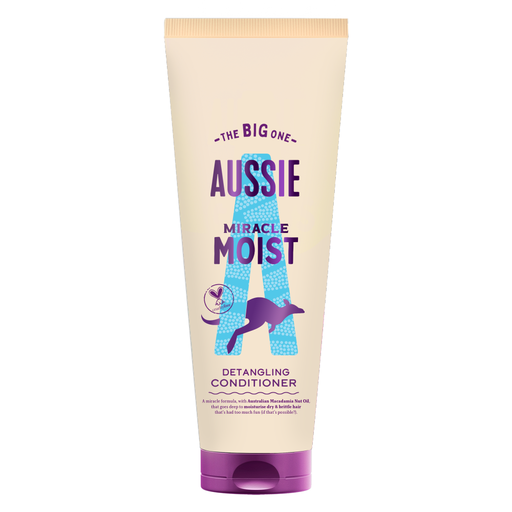
Why This Fits Their Persona: A practical everyday option for shoppers wanting moisture and easier combing without moving immediately to a large premium bottle.
Its stated focus is detangling and moisture for dry, brittle and damaged hair, rather than relying only on a fragrance or shine claim.
275ml size; macadamia nut oil is listed as a key ingredient; designed for regular use.
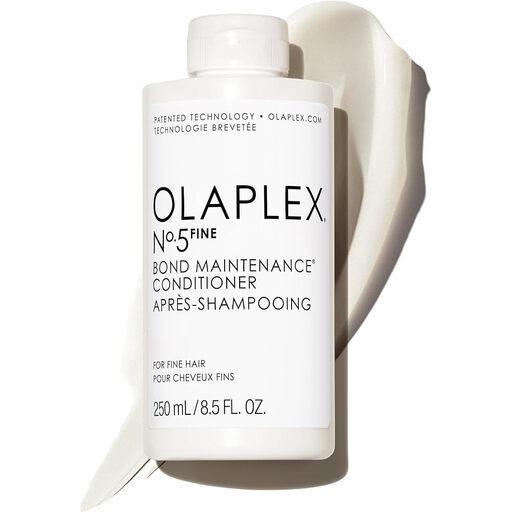
Why This Fits Their Persona: Suitable for fine hair that needs hydration and manageability but can quickly look flat after richer conditioning products.
The product is specifically described as weightless and volumising, helping shoppers avoid selecting a heavy moisturising conditioner for fine strands.
250ml format; listed as alcohol-free; suitable for colour-treated and chemically treated fine hair.
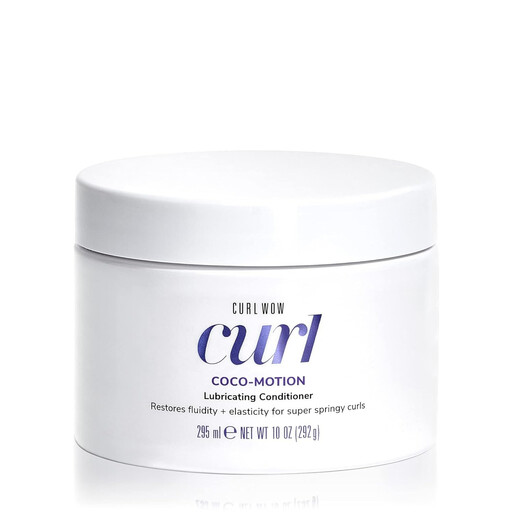
Why This Fits Their Persona: Designed for curly and coily hair needing slip, hydration and definition without a greasy finish.
Its description directly addresses curl detangling and frizz rather than treating all hair textures as interchangeable.
295ml size; includes coconut oil, glycerin and panthenol; listed as suitable for colour-treated hair.
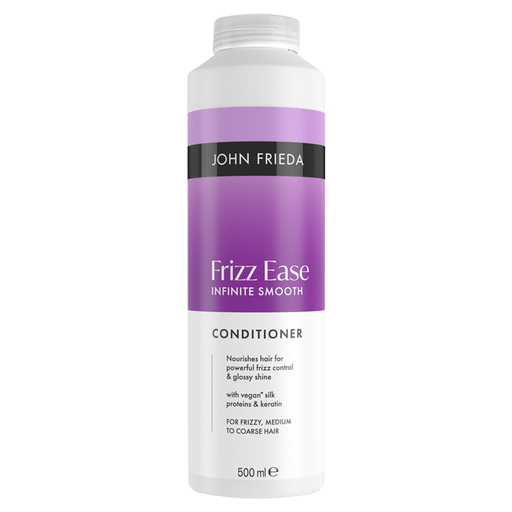
Why This Fits Their Persona: A larger format for households that wash frequently and want a smoothing conditioner aimed at frizz-prone hair.
The product description specifies humidity protection and detangling, giving it a clearer use case than a general-purpose “shine” formula.
500ml bottle; vegan formula stated in the listing; packaging contains 50% post-consumer recycled material.
For dry or frizzy hair, a rinse-out conditioner can be combined with a leave-in product, but introduce one change at a time so you can identify what suits your routine.
We have compiled a complete, real-time list of products that fully satisfy these strict selection criteria and UK safety regulations.
Most people can use a rinse-out conditioner after each shampoo, adjusting the amount according to hair type. Fine hair may need a smaller quantity, while thick, curly or dry hair may benefit from more coverage through the lengths and ends.
Not automatically. Compare the price per 100ml and consider how much you use per wash. A 500ml bottle is convenient for frequent household use, while a 250ml conditioner may be preferable if you are testing a new formula or have limited storage space.
It can if too much is applied, if the formula is particularly rich or if it is placed near the roots. Choose a lightweight conditioner for fine hair, use a modest amount and rinse thoroughly. If volume remains a concern, consider alternating a moisturising product with a volumising conditioner.