
24/7 Customer Support

Free returns

Same-day & Next-day Delivery

Quality Guaranteed

Unlock Your Welcome Offers: FREE Delivery | Up to 80% OFF | Free 30-day JoyPlus trial
Download the APP
Finding a suitable hair conditioner is less about choosing the most eye-catching bottle and more about matching the formula to your hair and scalp. A product designed for dry, thick hair may leave fine strands flat, while a rich formula can be uncomfortable on an oily or sensitive scalp.
For UK shoppers, there are also practical considerations such as fragrance, ingredient labelling, travel size, colour maintenance and how often the product needs replacing. This guide explains the common buying traps, the specifications worth checking and our top recommendations for 2026.
A moisturising hair conditioner may be useful for dry, brittle or coarse hair, but a rich blend of oils, silicones or conditioning agents can make fine hair appear limp. If your hair loses volume quickly, look for terms such as lightweight, volumising conditioner or “for fine hair”.
Leave-in products, hair oils and anti-frizz sprays can improve manageability, but they do not always replace a rinse-off conditioner. For example, a heat-activated anti-frizz hair treatment is intended to be applied to damp hair and activated with a blow-dryer. It is a styling step rather than a conventional wash-out conditioner.
“Vegan”, “cruelty-free” and “natural origin” describe different things. A vegan hair conditioner does not contain animal-derived ingredients, while a cruelty-free statement relates to animal testing policies. Neither automatically means the formula is fragrance-free or suitable for a sensitive scalp. Always check the current packaging, full INCI ingredient list and warnings before use.
Rinse-off conditioner is normally applied after shampooing and washed out after a short contact time. A leave-in conditioner remains on the hair and usually requires a smaller amount. Using too much can create a coated or greasy feel, especially on fine hair.
Some products require heat styling to activate their intended finish. If you prefer air-drying, select a product whose instructions support that method rather than assuming every anti-frizz formula works identically.
UK cosmetic products should provide key information such as ingredients, nominal content, precautions, batch details and the responsible person’s address. Check:
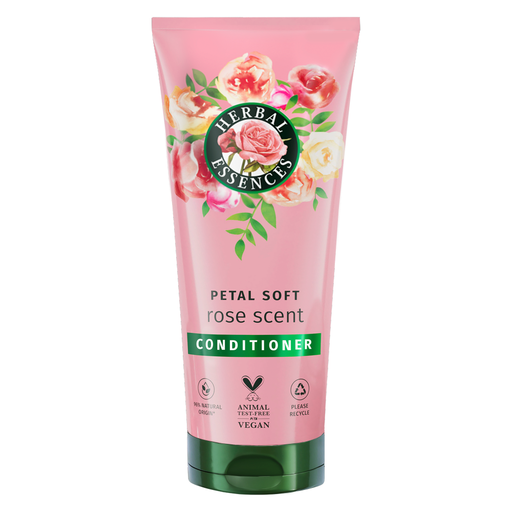
Why This Fits Their Persona: A practical everyday option for shoppers who want one product for dry lengths, detangling and flexible use at home or while travelling.
The product clearly supports both rinse-off and leave-in use, so shoppers can adjust the amount instead of buying separate products for different routines.
250 ml size; vegan and cruelty-free formula; rose fragrance; suitable for dry hair care.
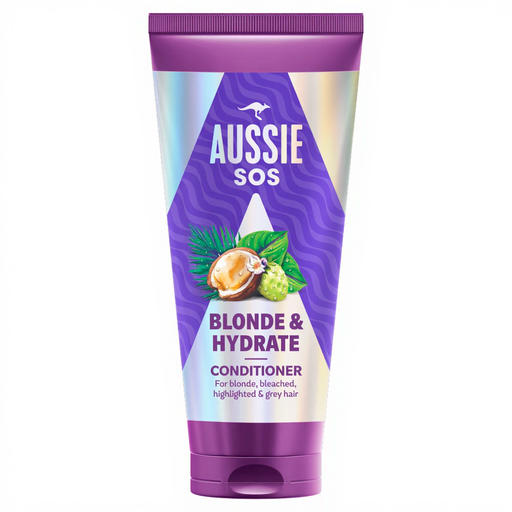
Why This Fits Their Persona: Designed for blonde, bleached, highlighted, silver or grey hair that needs softness and hydration after colour services.
It is positioned as a hydrating conditioner rather than a substitute for toning shampoo, making its role in a blonde-hair routine clear.
200 ml format; vegan formula; includes macadamia seed oil and strawberry extract; intended for bleached and highlighted hair.
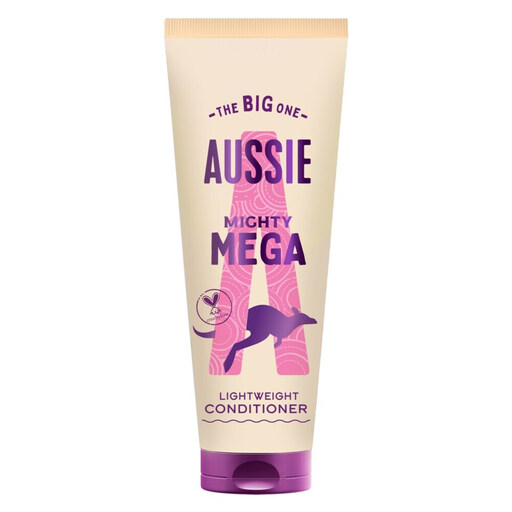
Why This Fits Their Persona: A suitable starting point for people who want daily detangling and moisture without sacrificing movement or bounce.
Its lightweight positioning helps reduce the risk of choosing a dense formula for fine or flat hair. Applying only to mid-lengths and ends further limits root heaviness.
275 ml size; directions specify a 1–2 minute leave-on time; 96% natural-origin ingredients stated in the product description.
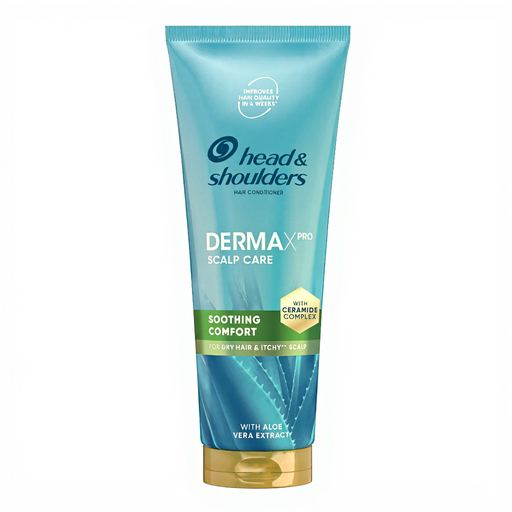
Why This Fits Their Persona: Intended for shoppers who want a conditioner that addresses both hair lengths and a dry, dandruff-prone scalp as part of a regular routine.
The product description identifies scalp use and lists piroctone olamine and ceramide complex, rather than relying only on vague “repair” language.
220 ml size; contains aloe vera extract; lightweight feel; designed to be used with the matching DermaXPro shampoo.
We have compiled a complete, real-time list of products that fully satisfy these strict selection criteria and UK safety regulations.
Most people can use rinse-off conditioner whenever they wash their hair. Fine hair may need a smaller amount, while coarse, curly, dry or damaged hair may benefit from more consistent conditioning. Product instructions should take priority.
A 200–400 ml bottle may last several weeks or longer, depending on hair length, washing frequency and how much you apply. Using conditioner only from the mid-lengths to the ends can reduce waste. Compare the price per 100 ml rather than the bottle price alone.
An anti-dandruff conditioner can complement a dandruff-focused routine, particularly when its label identifies scalp use and relevant ingredients. It should not be treated as a medical diagnosis or a guaranteed solution. Follow the product directions, stop if irritation occurs and seek advice from a pharmacist or healthcare professional if symptoms persist.