
24/7 Customer Support

Free returns

Same-day & Next-day Delivery

Quality Guaranteed

Unlock Your Welcome Offers: FREE Delivery | Up to 80% OFF | Free 30-day JoyPlus trial
Download the APP
Choosing a hair conditioner is not simply about picking the most attractive bottle or the ingredient featured on the front label. Fine hair can become flat, while curls may remain dry if the formula is too light. Frizz can also return quickly in the UK’s damp weather, even when a product promises a smooth finish.
The right conditioner should match your hair texture, level of damage, styling habits and washing routine. It should also be comfortable to use regularly without leaving excessive residue or irritating the scalp.
A thick, buttery conditioner may feel nourishing, but richness does not automatically mean it is suitable for every hair type. Fine or low-density hair can look limp when coated with heavy oils, silicones or conditioning agents. Conversely, very lightweight formulas may not provide enough slip for dry, curly or chemically treated hair.
Look for a formula that matches your needs: a lightweight conditioner for fine hair, a richer moisturising conditioner for dry strands or a curl-specific formula for wavy, curly and coily textures.
Terms such as “repair”, “strengthening”, “salon-quality” and “humidity protection” can describe a product’s intended function, but they do not guarantee the same result for every user. Hair condition, porosity, colour history and styling routine all affect performance.
Read the full product description and ingredient list rather than relying only on front-label language. If you have a sensitive scalp, check fragrance allergens and stop using the product if irritation occurs.
A 500ml conditioner may offer better value for frequent or family use, but it takes longer to finish and occupies more storage space. A 250ml conditioner is easier to trial, store or take on a short trip. Leave-in products are often smaller, but they are used differently and should not be confused with rinse-out conditioner.
Start with the result you actually want:
Common conditioning ingredients such as behentrimonium chloride, cetearyl alcohol and glycerin can improve softness, slip and manageability. Oils such as argan oil may help provide a smoother feel, while proteins and amino acids are often included in formulas aimed at damaged or fragile-looking hair.
However, “natural”, “vegan” or “free from” labels do not automatically mean a product suits everyone. Review the packaging for fragrance components, preservatives and potential allergens. For example, some formulas include limonene, linalool or other listed fragrance allergens. Always follow the current ingredient list printed on the product packaging.
Most rinse-out conditioners work best when applied to mid-lengths and ends, rather than heavily massaged into the scalp. Leave the product on for the stated time, often one to three minutes, then rinse thoroughly.
Compare sizes according to use:
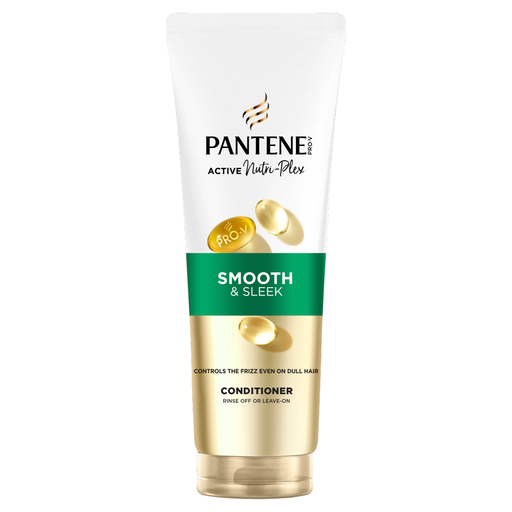
Why This Fits Their Persona: A 230ml daily conditioner for shoppers starting a simple anti-frizz and smoothing routine without committing to a larger bottle.
The smaller size makes it easier to assess whether a smoothing formula suits your hair before buying a larger bottle.
Includes conditioning agents, panthenol and argan oil; the formula is listed as free from mineral oils and colourants.
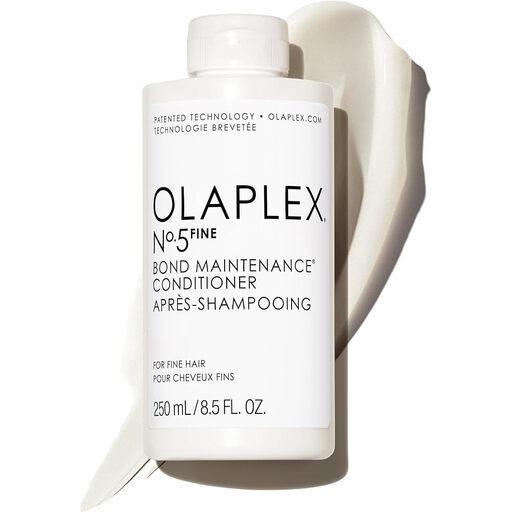
Why This Fits Their Persona: Designed for fine hair that needs hydration and detangling while maintaining a lighter feel, including colour-treated and chemically treated hair.
Its fine-hair positioning helps avoid choosing a rich conditioner that may leave delicate or low-density hair feeling coated.
A 250ml weightless formula with glycerin, panthenol and a bond-repair technology ingredient listed in the formula.
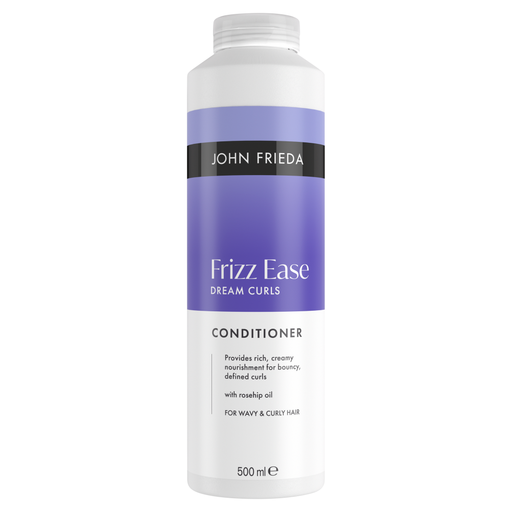
Why This Fits Their Persona: The larger bottle suits regular washing and fuller, curly or wavy hair that needs generous application for detangling and definition.
It is clearly positioned for curls and waves, reducing the risk of using a generic smoothing formula that leaves the curl pattern undefined.
The 500ml vegan formula includes rosehip oil and panthenol and is listed as suitable for colour-treated hair.
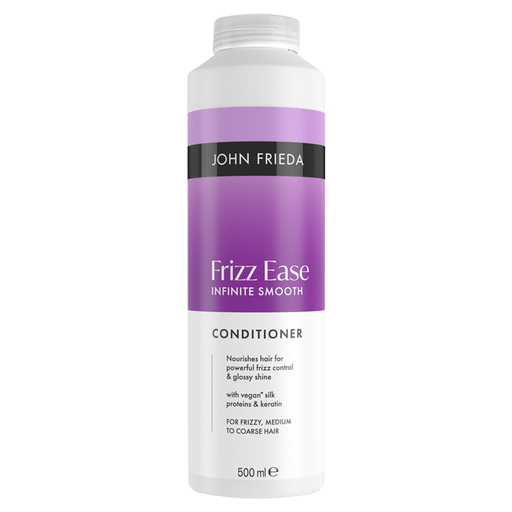
Why This Fits Their Persona: A practical option for frizz-prone hair exposed to damp commutes, frequent blow-drying or regular heat styling.
The listing specifies humidity resistance and a smoothing focus, giving damp-weather shoppers clearer selection criteria than a generic moisturising label.
The 500ml vegan formula contains amino acids, panthenol and conditioning agents and is described as offering humidity protection.
We have compiled a complete, real-time list of products that fully satisfy these strict selection criteria and UK safety regulations.
Most people can use a rinse-out conditioner whenever they shampoo. Fine hair may need a smaller amount, while dry, curly or chemically treated hair may benefit from more generous application. Adjust frequency according to how your hair feels rather than following a fixed schedule.
A 250ml bottle may last several weeks to a few months, depending on hair length, thickness and washing frequency. A 500ml conditioner generally suits regular users or households sharing one product. Using more than necessary can increase cost without improving the result, so begin with a small amount and add more if required.
Unless the product specifically recommends scalp application, focus on the lengths and ends. Applying a rich formula directly to the scalp may leave fine hair looking flat or create an uncomfortable coated feeling. A lightweight formula may be more suitable if your roots also feel dry.