
24/7 Customer Support

Free returns

Same-day & Next-day Delivery

Quality Guaranteed

Unlock Your Welcome Offers: FREE Delivery | Up to 80% OFF | Free 30-day JoyPlus trial
Download the APP
Dry ends, stubborn knots, frizz and hair that feels rough after washing can often be linked to choosing a conditioner that does not match your hair’s needs. A suitable hair conditioner should make strands easier to comb, improve softness and support a manageable finish without leaving fine hair flat or making the scalp feel uncomfortable.
However, product labels can make comparison difficult. A large bottle is not automatically good value, and words such as “repair”, “hydration” and “strength” can mean different things between formulas. This guide explains what to check before buying and highlights suitable options for different UK shoppers.
Silicones, conditioning agents and oils can make hair feel smoother after one wash. That can be useful, particularly for frizz and detangling, but it does not mean that split ends have been permanently repaired. If you are shopping for a conditioner for damaged hair, look at the complete ingredient list and choose a formula that matches the cause of the damage, such as heat styling, bleaching or frequent colouring.
A thick moisturising hair conditioner may suit coarse, curly or very dry hair, but it can make fine hair look limp when applied near the roots. Lightweight formulas are generally easier to distribute through fine strands. Richer creams may be more appropriate for curly, coily or highly porous hair that loses moisture quickly.
A sulphate-free conditioner can be a useful choice for people who prefer to avoid certain cleansing sulphates, although conditioner formulas vary and are not all designed for the same concern. Botanical extracts and natural-origin ingredients can still cause irritation for some people. Always read the current packaging, particularly if you have a sensitive scalp or known fragrance allergies.
For a best conditioner for dry hair search, compare the formula rather than relying only on the front label. Glycerin, panthenol, hyaluronic acid, shea butter and oils are commonly used to support a softer, more moisturised feel.
For an anti-frizz conditioner, look for conditioning agents and smoothing ingredients such as dimethicone or amodimethicone. These can reduce friction and improve manageability, though the effect depends on hair texture and styling habits.
For a bond repair conditioner or repairing hair conditioner, check whether the product contains the named complex or technology described on the packaging. Bond-focused products are intended for hair affected by colouring, bleaching or heat styling, but they should not be treated as a replacement for trimming split ends or reducing damaging routines.
A 150ml bottle may suit occasional use or trying a new formula, while 385ml to 500ml bottles can be more practical for regular use. A 900ml bottle may offer fewer replacements for a household, but check storage space and how quickly the product will be used.
Fragrance, preservatives and essential oils may not suit every scalp. Follow the product directions, avoid eye contact and stop using a product if irritation occurs. For the most accurate information, check the ingredient list printed on the pack, as formulations can change.
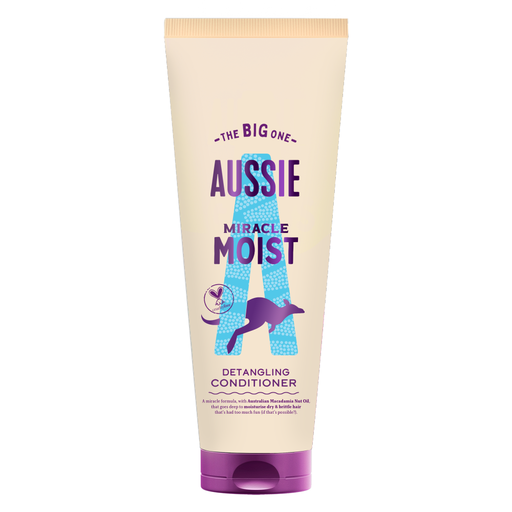
Why This Fits Their Persona: A practical everyday option for shoppers wanting a moisturising conditioner with detangling support for dry or brittle lengths.
The product information identifies its macadamia nut oil formula and detangling purpose, making the main benefits easier to assess than a vague “repair” claim.
275ml size; designed to soften dry hair and make combing more manageable.
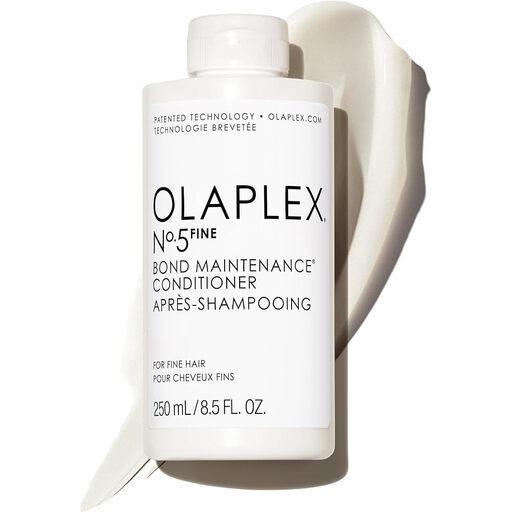
Why This Fits Their Persona: Suits shoppers with fine, coloured or chemically treated hair who want conditioning without a notably heavy finish.
It is specifically described as a weightless formula for fine hair, helping address the risk of choosing an overly rich conditioner.
250ml size; includes bond-repair technology and is listed as alcohol-free.
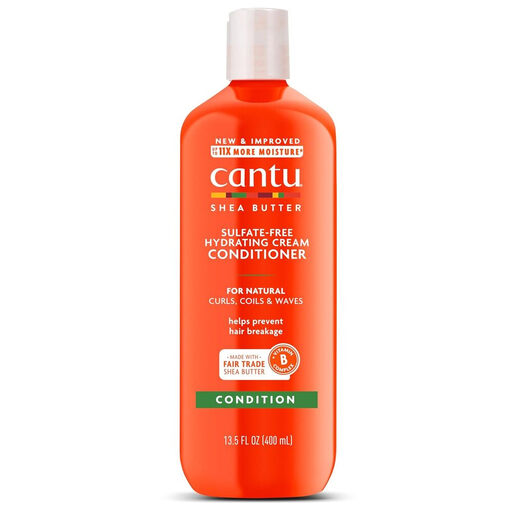
Why This Fits Their Persona: A substantial option for curly, coily, wavy, natural or coloured hair that needs a richer feel and regular moisture support.
The label clearly specifies a sulphate-free cream formula and the intended hair textures, rather than presenting one formula as suitable for everyone.
400ml size; contains shea butter and is listed without sulphates, parabens, silicones, mineral oil, phthalates, paraffin or propylene glycol.
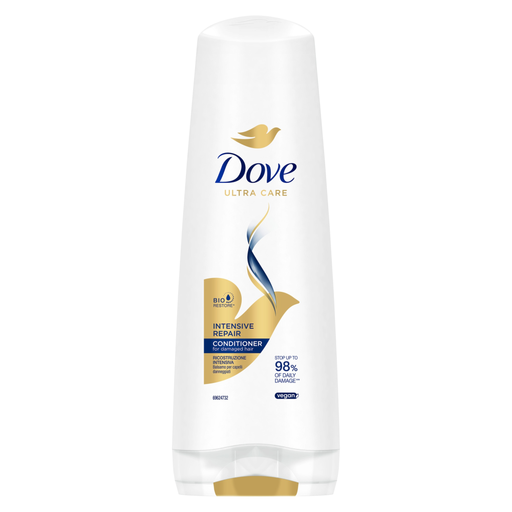
Why This Fits Their Persona: Designed for people whose hair feels affected by heat tools, brushing or repeated styling and who want a smoothing deep conditioner.
Its stated use specifically covers heat- and styling-damaged hair, while the directions advise applying through the lengths and concentrating on mid-lengths and ends.
350ml size; contains glycerin, dimethicone and conditioning agents for a smoother, easier-to-detangle feel.
We have compiled a complete, real-time list of products that fully satisfy these strict selection criteria and UK safety regulations.
A detangling conditioner works more effectively when you use your fingers or a wide-tooth comb from the ends upwards. Avoid vigorous brushing while hair is saturated and fragile.
Most people can use conditioner after each shampoo, adjusting the quantity to their hair texture. Fine or oily hair may need a small amount, while dry, curly or damaged hair may benefit from a richer application. If your hair feels coated or flat, reduce the amount or use it only through the ends.
Often, but suitability depends on the complete formula and your hair’s condition. A moisturising conditioner can help coloured hair feel softer, while a sulphate-free conditioner may appeal to shoppers seeking a gentler routine. Check the label and follow any care instructions supplied with your colour treatment.
A 250ml bottle may last several weeks to a few months, depending on hair length, thickness and how often you wash it. Larger 400ml to 900ml bottles can be more convenient for frequent users or households, but compare the product’s recommended amount rather than size alone.