
24/7 Customer Support

Free returns

Same-day & Next-day Delivery

Quality Guaranteed

Unlock Your Welcome Offers: FREE Delivery | Up to 80% OFF | Free 30-day JoyPlus trial
Download the APP
Choosing a hair conditioner is not simply a matter of picking the most attractive bottle. The right formula should suit your hair texture, scalp comfort, styling routine and tolerance for fragrance or particular ingredients. A conditioner that gives smoothness to thick, dry hair may leave fine strands flat, while a lightweight volumising formula may not provide enough support for bleached or heat-damaged lengths.
This guide explains the main buying pitfalls and compares four options for different UK shopping needs, including moisturising hair conditioner, frizz control conditioner, conditioner for sensitive scalp and Japanese hair conditioner preferences.
Silicones, conditioning agents and rich oils can make hair feel smooth immediately after rinsing. That sensation is useful for detangling, but it does not automatically mean the product suits frequent use or your hair type. Fine hair can become limp when a rich conditioner is applied from the roots, whereas porous or chemically treated hair may need a more substantial formula.
Apply most conditioners from the mid-lengths to the ends. If your roots become greasy quickly, avoid placing a heavy product directly on the scalp.
A sulphate-free conditioner may be preferable for shoppers who want a gentler-feeling routine, but the label alone does not tell you whether the formula will provide enough moisture or detangling. Likewise, plant extracts and oils can be appealing, yet fragrance components may not suit everyone with a reactive or itchy scalp.
Always check the full ingredient list, especially if you already know that you react to fragrance, essential oils, preservatives or specific proteins.
A 250ml conditioner may be convenient for trying a formula, travel or occasional use. Larger 385ml, 550ml or similar bottles may offer more applications, but only if the product is genuinely suitable. Buying a large bottle before checking how your hair responds can create unnecessary waste.
Consider how much you use per wash, how often you wash your hair and whether the product is intended for rinse-off use, leave-in use or both.
For dry or brittle lengths, look for conditioning ingredients such as fatty alcohols, glycerin, oils, proteins and smoothing polymers. An argan oil conditioner can provide a richer feel, while a formula containing proteins may be more appealing for weakened or processed hair. However, individual results vary, and frequent protein use may not feel comfortable on every hair type.
If frizz and tangling are the main concerns, choose a frizz control conditioner designed to smooth the cuticle and improve combability. For fine or thinning-looking hair, a volumising conditioner for fine hair should provide slip without a noticeably heavy finish.
Conditioner is generally applied to the lengths rather than the scalp. Shoppers with sensitive skin should look for a clearly stated pH-balanced or sulphate-free formulation and review fragrance ingredients carefully. AVEENO’s product information states that its Fresh Greens conditioner contains colloidal oat and is designed for fine to thin hair and sensitive skin; brand research claims should be treated as information from the brand rather than a guaranteed result for every user.
Stop using any product that causes redness, itching or discomfort, and seek medical advice for persistent scalp symptoms.
A rinse-off conditioner is practical for regular washing, while a leave-in conditioner can offer additional manageability between washes. Herbal Essences Rose Scent Petal Soft Conditioner is supplied with directions for both rinse-off and leave-in use, but a small amount should be used first to avoid a coated or heavy feel.
Check the recommended contact time. OGX and AVEENO suggest leaving their conditioners on for around three to five minutes, while Fino’s directions suggest two to three minutes. These instructions can make a difference when you are comparing products for a quick weekday shower.
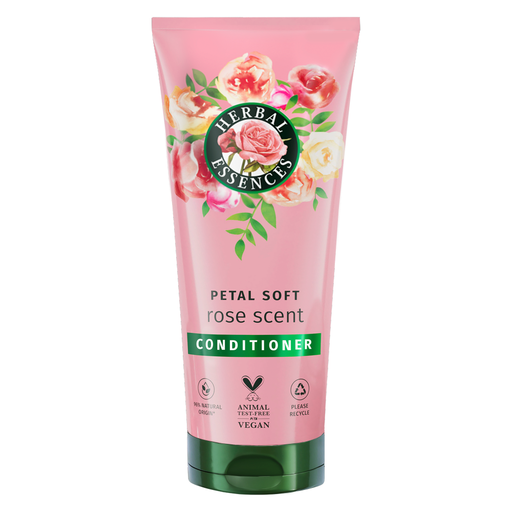
Why This Fits Their Persona: The 250ml size is a practical starting point for shoppers who want to try a rose conditioner without committing to a larger bottle. It suits dry hair care routines and offers rinse-off or leave-in directions.
The dual-use directions make it easier to adjust the amount rather than automatically applying a heavy layer every wash.
Contains conditioning agents including stearyl alcohol, cetyl alcohol and behentrimonium chloride; stated to be vegan and cruelty-free.
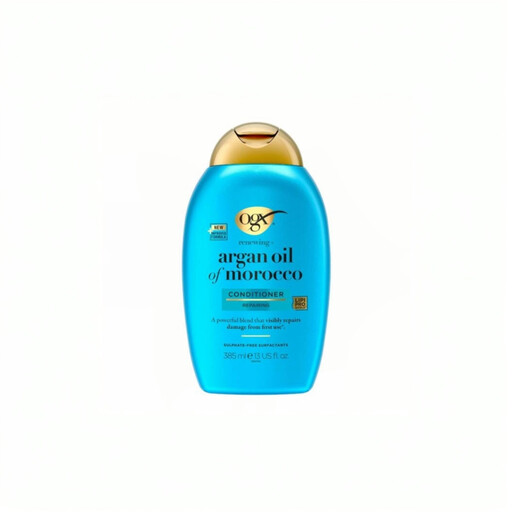
Why This Fits Their Persona: This 385ml option is suited to shoppers seeking a richer routine for dry, damaged or brittle hair, particularly where smoothing and a silky finish are priorities.
Its ingredient list identifies argan oil, glycerin, silk amino acids and dimethicone, giving shoppers more detail than a vague “repair” label.
The product information describes a pH-balanced, sulphate-free formula with a three-to-five-minute application time.

Why This Fits Their Persona: A suitable profile match for people with fine or thin-looking hair who want lightweight conditioning and are attentive to scalp comfort.
The formula is described as lightweight, pH-balanced and sulphate-free, helping shoppers avoid choosing a rich conditioner simply because it promises more moisture.
Contains colloidal oat, cucumber water, rosemary oil and peppermint oil; the bottle size is 300ml.
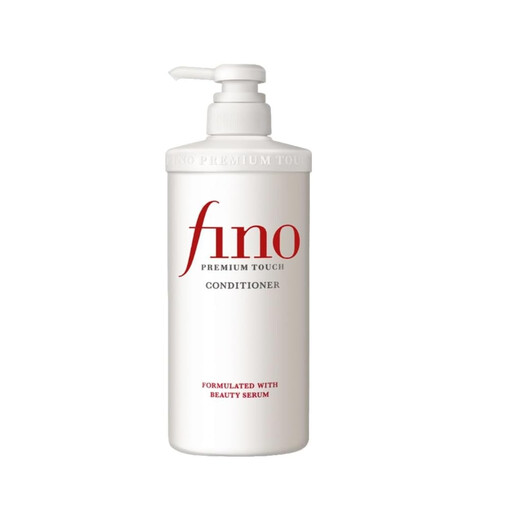
Why This Fits Their Persona: The 550ml format is practical for long, dry, bleached, permed or frequently heat-styled hair where conditioner is used generously and regularly.
The directions specify applying to mid-lengths and ends and rinsing after two to three minutes, rather than placing a rich formula directly on the scalp.
The listed ingredients include PCA, hydrolysed wheat protein, dimethicone and royal jelly extract; the product is presented as a Japanese hair conditioner.
We have compiled a complete, real-time list of products that fully satisfy these strict selection criteria and UK safety regulations.
For a sensitive scalp, patch-test a new formula on a small area where appropriate, avoid contact with the eyes and follow the product warning on the packaging.
The best conditioner for dry hair depends on texture and damage level. Look for moisturising ingredients such as glycerin, fatty alcohols, oils or conditioning polymers. OGX Argan Oil 385ml is positioned for dry and damaged hair, while Herbal Essences Rose Scent Petal Soft 250ml is a smaller option for those wanting a softer-feeling routine with rinse-off or leave-in flexibility.
A conditioner for damaged hair can improve the feel, slip and manageability of the hair surface, helping reduce the sensation of roughness and tangling. It cannot reverse all structural damage. For frizz, apply product evenly to the lengths and minimise rough towel drying or excessive heat styling.
Usage varies with hair length, thickness and wash frequency. A 250ml bottle may last several weeks for short or fine hair, while a 550ml conditioner can be more practical for long or dense hair. Store the bottle as directed and check its packaging for current shelf-life and batch information.