
24/7 Customer Support

Free returns

Same-day & Next-day Delivery

Quality Guaranteed

Unlock Your Welcome Offers: FREE Delivery | Up to 80% OFF | Free 30-day JoyPlus trial
Download the APP
Choosing a hair conditioner is not simply a matter of picking the most attractive bottle. UK shoppers need to match the formula to their hair’s texture, condition and styling routine. A rich moisturising conditioner may help dry lengths but leave fine roots flat, while a lightweight option may not provide enough slip for thick or curly hair.
The right choice also depends on how often you wash, whether your hair is colour-treated and how much heat styling it receives. Use this guide to compare practical features, avoid common marketing traps and narrow down suitable options.
Silicones, oils and conditioning agents can make hair feel smoother immediately. That is useful for detangling and styling, but a silky finish does not necessarily mean that damaged hair has been repaired. Treat phrases such as “repair”, “strengthening” and “bond care” as descriptions of the formula’s intended use rather than guarantees of a permanent result.
A bond repair conditioner may be worth considering if your hair is frequently bleached, coloured, permed or heat-styled. However, it should complement careful handling, regular trims and sensible heat settings.
A rich conditioner for dry hair can feel nourishing on coarse or dehydrated lengths, yet too heavy for fine hair. Conversely, a volumising conditioner may improve lightness and body but offer less cushioning for very dry ends.
Look for the intended hair type on the label, then consider where you apply it. Most rinse-out formulas work best from the mid-lengths to the ends, rather than directly on the scalp.
Fragrance allergens such as limonene, linalool and geraniol appear in some formulas. This does not automatically make a product unsuitable, but shoppers with known sensitivities should read the current packaging carefully. Ingredients and packaging can change, so the product label should take priority over an old online listing.
Under UK cosmetics requirements, products should provide relevant ingredient and safety information. Always follow the directions, avoid eye contact and stop using a product if irritation occurs.
A standard conditioner is rinsed after shampooing and is suitable for routine washing. A leave-in conditioner remains on the hair and can offer convenient detangling, softness or styling support between washes.
Leave-in products are particularly useful for long, knot-prone or heat-styled hair. Use a modest amount from the mid-lengths down, as applying too much near the roots can make hair appear greasy.
If you dye, bleach or highlight your hair, look for a colour-safe conditioner and avoid assuming that every moisturising product protects colour. For regular blow-drying or straightening, consider a heat protection conditioner or leave-in product, but still use the lowest practical temperature and avoid repeated passes over the same section.
Check product-specific directions. Some formulas are intended to work with a matching shampoo or styling range, while others can be incorporated into a wider routine.
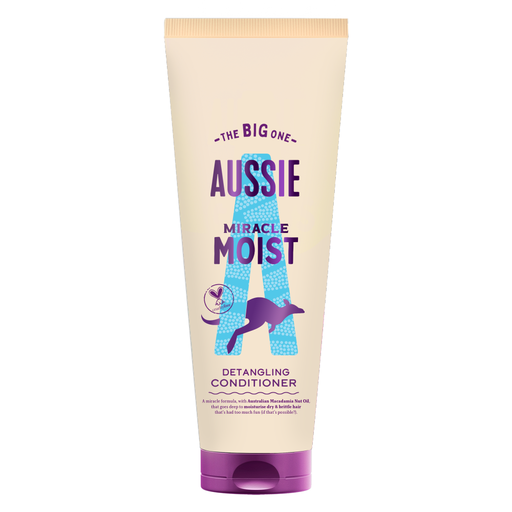
Why This Fits Their Persona: A practical everyday option for shoppers seeking a moisturising conditioner for dry, brittle or knot-prone hair without moving straight to a specialist treatment.
Its stated focus is moisture and detangling, rather than relying only on a smoothing finish. Apply mainly to lengths and ends to limit root heaviness.
275 ml size; includes Australian macadamia nut oil; described as vegan and designed for easier combing.
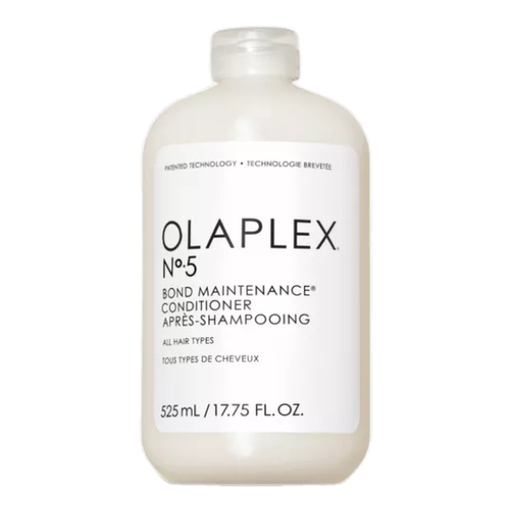
Why This Fits Their Persona: A large-format choice for people managing chemically treated, curly, wavy or frequently styled hair and seeking a concentrated conditioning format.
The product is positioned around concentrated conditioning and bond-maintenance care, so it is easier to compare its intended role with a basic rinse-out conditioner.
525 ml capacity; suitable for several hair types; vegan and colour-safe according to the supplied product information.
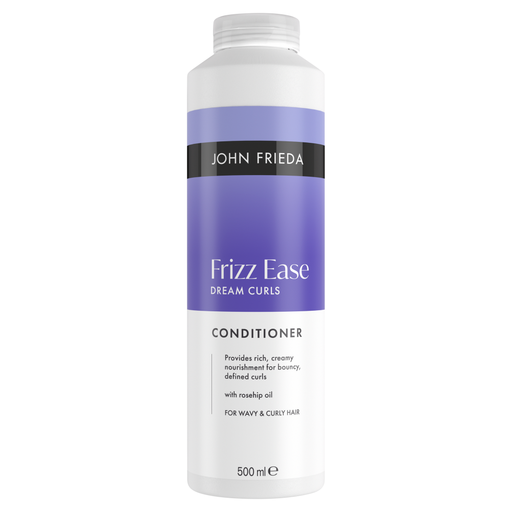
Why This Fits Their Persona: Designed for curly and wavy hair, it suits shoppers who prioritise hydration, curl definition and easier detangling during regular wash days.
It specifies curly and wavy hair rather than making a general claim for every texture. The 500 ml format can also suit frequent or generous application.
Contains rosehip oil; marketed as vegan and suitable for colour-treated hair; available in a 500 ml bottle.
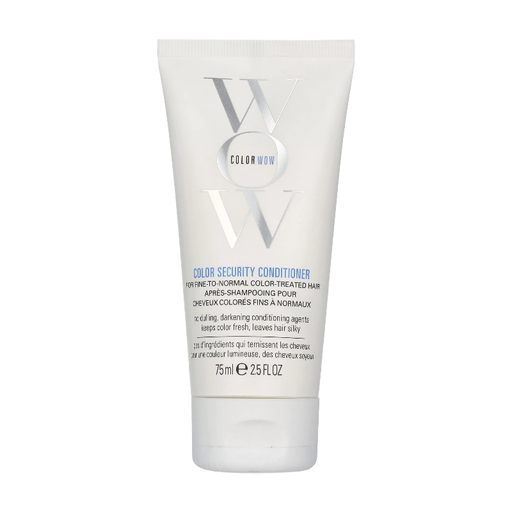
Why This Fits Their Persona: A compact option for fine to normal, colour-treated hair where weightless hydration and detangling are more important than a rich texture.
Its stated focus is lightweight conditioning for colour-treated hair, helping shoppers avoid choosing an overly rich formula for fine strands.
75 ml travel-friendly size; includes argan and avocado oils; provides detangling and stated thermal protection features.
We have compiled a complete, real-time list of products that fully satisfy these strict selection criteria and UK safety regulations.
It depends on hair length, thickness and frequency of washing. A 250 ml bottle may last several weeks to a few months for short or fine hair, while long or thick hair may use it more quickly. A 500 ml bottle can offer better value for regular, generous application, but only if the formula suits your hair.
Most rinse-out conditioners are designed for regular use, but the suitable frequency depends on your hair and the product directions. Fine hair may need a smaller amount, while curly, dry or coarse hair may benefit from conditioning after each wash. If hair feels coated or limp, reduce the quantity or apply it lower down the lengths.
Not always. Some leave-in conditioners include a stated heat-protection feature, while others focus mainly on moisture, detangling or frizz control. Check the product description and packaging before using one with heated tools. Even with a heat protection conditioner, avoid excessive temperature and prolonged heat exposure.