
24/7 Customer Support

Free returns

Same-day & Next-day Delivery

Quality Guaranteed

Unlock Your Welcome Offers: FREE Delivery | Up to 80% OFF | Free 30-day JoyPlus trial
Download the APP
Navigating the hair care aisle can feel overwhelming. With countless bottles promising miraculous transformations, it's easy to end up with a product that doesn't quite meet your hair's needs. As a Joybuy Product Recommendation Officer, my role is to help you see past the marketing jargon and focus on what truly matters for your hair. This guide will break down the common purchasing pitfalls and highlight the key factors to consider, helping you find an effective hair conditioner for your routine.
Many of us have a collection of half-used conditioner bottles under the sink—a testament to purchases that didn't live up to their promises. This often happens when we fall into one of these common traps:
repairing conditioner simply coat the hair with silicones to make it feel smoother temporarily. While this provides a quick fix, it doesn't address the underlying need for strength and resilience, leaving hair prone to breakage once the coating wears off.To make a more informed choice, shift your focus from front-of-bottle claims to the functional aspects of the formula. Here are two key areas to analyse.
You don't need to be a chemist, but recognising a few key ingredient types can tell you a lot about how a conditioner will perform.
conditioner for hair growth (by preventing breakage) or to mend signs of damage, ingredients like biotin, amino acids (e.g., histidine) and proteins are vital. These components help to fortify the hair's natural structure, improving its resilience against styling and environmental stress.silicone-free conditioner can be an excellent choice. These formulas often use lightweight plant oils or alternative smoothing agents to provide conditioning without the weight, making them ideal for a volumising conditioner.Once you have a basic understanding of ingredients, you can match them to your primary hair concern.
conditioner for dry damaged hair should feel substantial and offer deep nourishment.conditioner for frizzy hair will help align the hair cuticle for a sleeker finish.silicone-free conditioner formulas. Ingredients like biotin can help create a fuller appearance without weighing strands down.Based on these practical criteria, here are a few conditioners that align with specific user needs and avoid the common pitfalls.
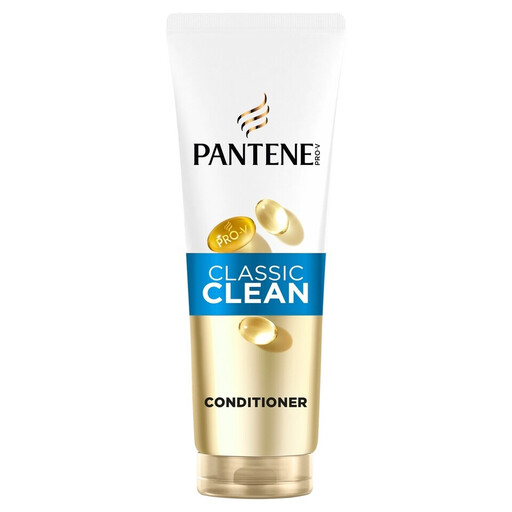
Why This Fits Their Persona: This is a reliable choice for those with normal to mixed hair who need a balanced daily conditioner. It provides essential moisture and manageability without being too heavy or too light, making it a dependable staple for a regular hair care routine.
It sidesteps the "one-size-fits-all" trap by being specifically formulated for normal and mixed hair types, delivering balanced nourishment rather than a generic, less effective solution.
Its Pro-V nutrient blend helps strengthen hair against styling damage and leaves it with a healthy-looking shine without unwanted residue.
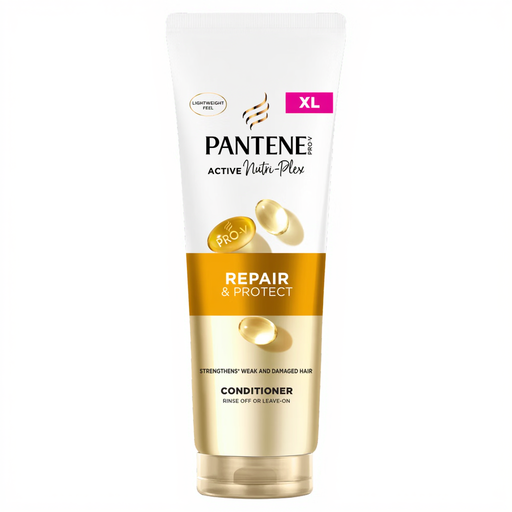
Why This Fits Their Persona: Ideal for anyone whose hair shows signs of damage from heat styling, colouring or environmental factors. This user needs a potent repairing conditioner that actively works to restore hair's strength and protect it from future harm.
This formula avoids the "miracle repair" illusion by going beyond a surface-level coating. It contains a Pro-V blend with strengthening lipids and antioxidants designed to penetrate and replenish the hair fibre from within.
It is enriched with 2x more nutrients compared to conditioning shampoos, providing an intensive dose of nourishment to help restore a visibly healthier look and feel to damaged hair.
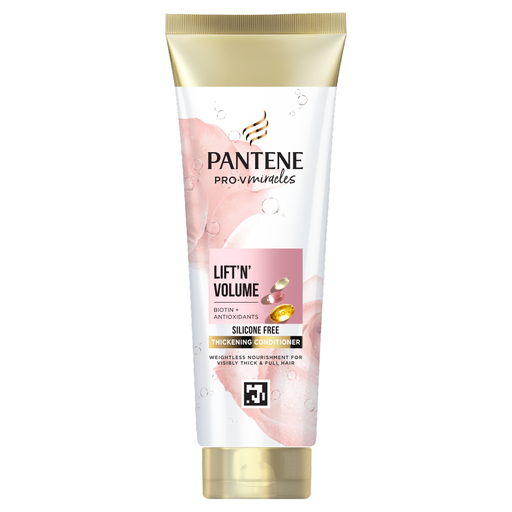
Why This Fits Their Persona: This user has fine, flat hair and is looking for a volumising conditioner that adds body and fullness without the heavy residue that can make their hair look greasy or limp. A biotin conditioner is often a great fit for this goal.
It directly counters the "silicone overload" pitfall. As a silicone-free conditioner, it provides nourishment and helps strengthen hair against styling damage without the risk of heavy build-up that plagues fine hair.
The formula is enriched with biotin and rose water, providing weightless moisture for visibly thicker-looking hair. It strengthens thin hair while leaving it soft and manageable.
We have compiled a complete, real-time list of products that fully satisfy these strict selection criteria and UK safety regulations.
For most hair types, using a conditioner after every wash is beneficial for maintaining moisture and manageability. If you have very fine or oily hair, you might find conditioning every other wash is sufficient. For intensive treatments like a deep repairing conditioner, using it once a week in place of your regular conditioner can provide an extra boost of nourishment.
It is generally recommended to focus conditioner on the mid-lengths and ends of your hair. These are the oldest and typically most damaged parts that need the most moisture. Applying conditioner directly to the scalp can sometimes weigh down the roots and lead to a greasy feeling, unless the product is specifically designed for scalp care, such as certain soothing or anti-dandruff formulas.
A regular or rinse-out hair conditioner is a creamy, more concentrated product applied in the shower after shampooing and is rinsed out after a few minutes. Its primary job is to restore moisture and detangle. A leave-in conditioner is a much lighter spray or cream that is applied to towel-dried hair and is not rinsed out. It provides ongoing benefits like frizz control, heat protection and light hydration throughout the day.