
24/7 Customer Support

Free returns

Same-day & Next-day Delivery

Quality Guaranteed

Unlock Your Welcome Offers: FREE Delivery | Up to 80% OFF | Free 30-day JoyPlus trial
Download the APP
Finding the right hair conditioner can feel like a lottery. You pick a bottle that promises silky, radiant hair, only to find it leaves your locks feeling heavy, greasy or no different than before. As your Joybuy Product Recommendation Officer, my role is to help you navigate the crowded shelves and understand what truly matters when selecting a conditioner, ensuring you get value for your money and results for your hair.
Many of us in the UK have been caught out by clever marketing. Let's look at a couple of common pitfalls that lead to disappointing purchases.
To avoid these traps, it pays to look beyond the front label. Focusing on a few core parameters will help you find a product that genuinely suits your hair's needs.
The single most important factor is your hair's specific condition. A "one-size-fits-all" approach rarely works.
The term 'conditioner' covers more than just the rinse-out cream you use after shampooing.
Based on these practical criteria, here are a few conditioners that align with specific user needs, helping you sidestep the common pitfalls.
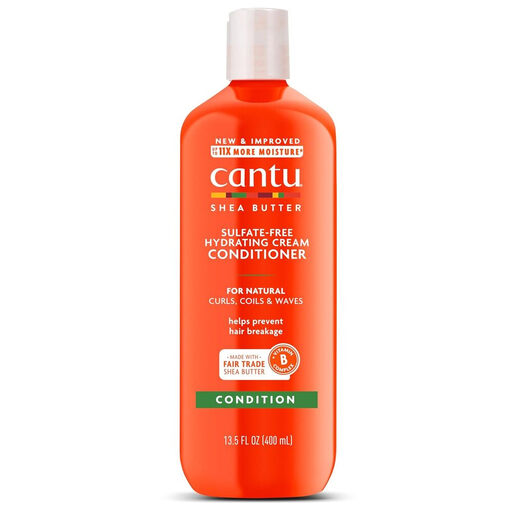
Why This Fits Their Persona: Ideal for those with curly, coily or wavy hair who prioritise moisture and want to avoid harsh chemicals. This formula is specifically designed to hydrate without stripping the natural oils essential for curl definition and health.
It avoids the "one-size-fits-all" trap by being highly specialised. It is also free from silicones, sulfates, parabens and mineral oil, sidestepping the issue of unwanted ingredient buildup.
Its primary ingredient is pure shea butter, providing genuine, deep moisture. The sulfate-free formula makes it a suitable conditioner for coloured hair as well.
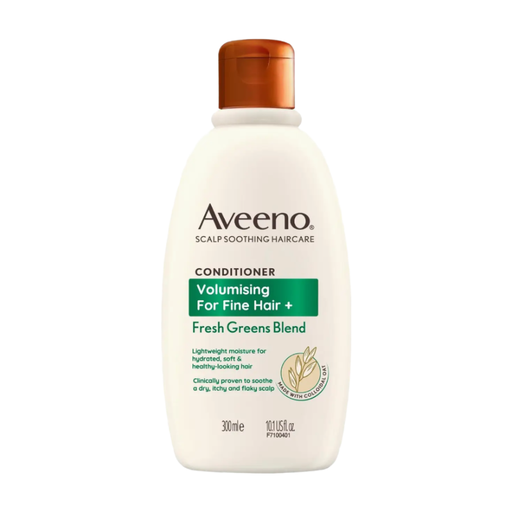
Why This Fits Their Persona: Perfect for those with fine, thin hair who also experience scalp sensitivity. This user wants volume without the irritation or heaviness that can come from other volumising products.
It avoids the "miracle ingredient" trap by using colloidal oat as its core soothing ingredient, a component with a long history of use for skin comfort. It's also sulfate-free, making it gentle on the scalp.
It provides lightweight moisture that adds body without weighing hair down. The pH-balanced formula is designed to be gentle enough for daily use, even on sensitive skin.
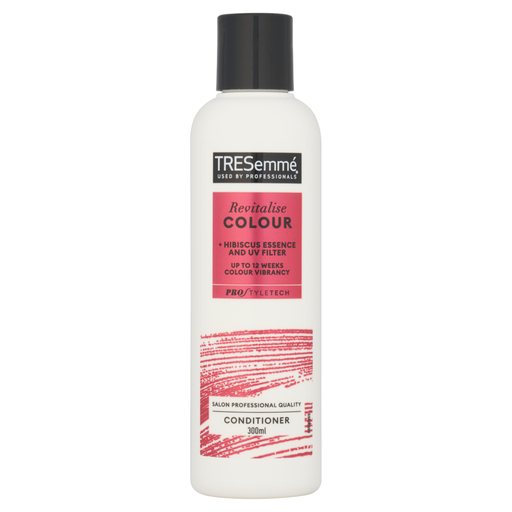
Why This Fits Their Persona: For anyone in the UK who regularly colours their hair and wants to maintain vibrancy and shine between salon visits. Their main goal is to protect their investment and keep their hair looking fresh and healthy.
This conditioner is specifically formulated for colour-treated hair, avoiding the "one-size-fits-all" issue. It focuses on locking in moisture and shine, which are key to making colour appear vibrant.
It is designed to work as part of a system with its matching shampoo to protect colour. The formula also helps to detangle and soften, which is crucial for hair that may be more fragile from chemical processing.
We have compiled a complete, real-time list of products that fully satisfy these strict selection criteria and UK safety regulations.
Should I apply hair conditioner to my roots? Generally, it is advisable to avoid applying conditioner directly to your scalp and roots, especially if you have fine or oily-prone hair. Your scalp produces its own natural oil (sebum). Applying conditioner there can weigh hair down and lead to a greasy feeling. It's better to concentrate the product on the mid-lengths and ends, which are the oldest and typically driest parts of your hair.
How long should I leave conditioner in my hair? For a standard rinse-out conditioner, the time recommended on the bottle—usually 1 to 3 minutes—is sufficient. This gives the product enough time to coat the hair shaft, smooth the cuticles and provide detangling benefits. Leaving it on for much longer is unlikely to provide significant additional benefits and is not as effective as using a dedicated deep conditioner or hair mask for a more intensive treatment.
Can I use a leave-in conditioner instead of a rinse-out one? It's not recommended to use them interchangeably. A rinse-out conditioner is formulated with ingredients that are meant to be washed away, leaving behind just enough to smooth and detangle. A leave-in conditioner is much lighter and is designed to be fully absorbed without leaving a heavy residue. Using a rinse-out product as a leave-in would likely result in greasy, weighed-down hair. They are designed to be used together for maximum benefit: rinse-out in the shower and leave-in on damp hair before styling.