
24/7 Customer Support

Free returns

Same-day & Next-day Delivery

Quality Guaranteed

Unlock Your Welcome Offers: FREE Delivery | Up to 80% OFF | Free 30-day JoyPlus trial
Download the APP
Dryness, breakage and frizz often appear together, but they do not always need the same type of product. A lightweight anti-frizz conditioner may smooth flyaways without providing enough care for bleached hair, while a rich damaged hair conditioner can leave fine strands flat. The right choice depends on your hair texture, styling routine and the condition of your lengths and ends.
Silicones, conditioning agents and oils can make hair feel softer and easier to comb immediately. That can be useful, particularly for coarse or tangled hair, but a smoother feel does not necessarily mean that internal damage has been reversed. Look for a product that clearly matches your needs, such as a bond repair conditioner, protein conditioner or moisturising formula, rather than relying only on claims about shine.
A highly moisturising conditioner may suit thick, curly or coily hair, yet weigh down fine or thinning hair. Heavy creams can also make roots look greasy if applied too close to the scalp. Most rinse-out conditioners should be distributed through the mid-lengths and ends, unless the product is specifically designed as a scalp conditioner.
A sulphate-free conditioner may be appropriate for coloured, dry or chemically treated hair, but “sulphate-free” alone does not tell you how moisturising, lightweight or suitable a formula will be. Check the complete ingredient list, fragrance content and directions. A product can be sulphate-free and still be too rich for fine hair or unsuitable for a sensitive scalp.
A conventional conditioner is used after shampooing and rinsed away after a short leave-on time. A hair repair treatment or intensive conditioner may need several minutes or weekly use. Leave-in anti-frizz sprays work differently: they remain on the hair and may require heat activation.
For example, Color Wow Dream Coat Extra Strength is described as a heat-activated, leave-in anti-frizz treatment. It is sprayed onto clean, towel-dried hair and blow-dried thoroughly rather than rinsed out. It may therefore be more relevant to someone seeking humidity control than to someone simply replacing a daily conditioner.
Conditioning ingredients such as cationic agents, fatty alcohols and silicones can improve detangling and reduce friction during brushing. Proteins and amino acids may be useful in formulas aimed at weakened strands, although frequent protein use can feel less comfortable on hair that is already stiff or dry.
Always check the current packaging for the full INCI list, manufacturer information, warnings, batch details and period-after-opening symbol. Cosmetic products should be used as directed. Avoid eye contact, stop using a product if irritation develops and do not apply scalp products to broken or inflamed skin.
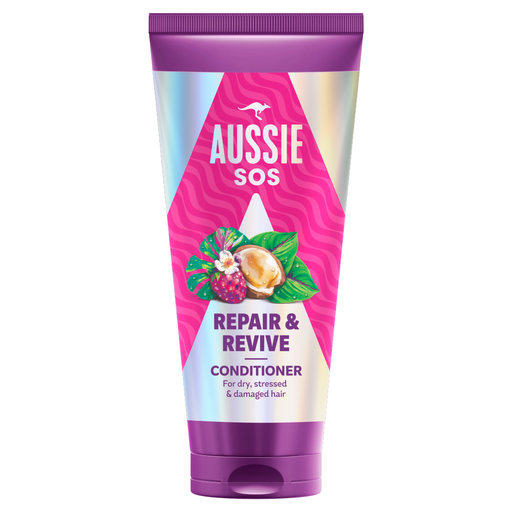
Why This Fits Their Persona: A straightforward rinse-out option for shoppers beginning a dry or damaged-hair routine, including those who wash regularly after commuting, exercising or heat styling.
Its stated purpose combines detangling, softness and hydration, rather than relying on a single shine or “repair” claim. Use it through the lengths and ends as directed.
200ml size; vegan formula; includes conditioning agents and macadamia seed oil.
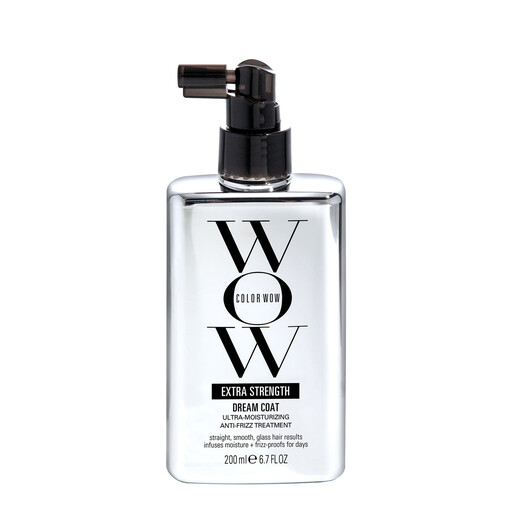
Why This Fits Their Persona: Suits shoppers who regularly blow-dry thick, coarse, curly or highly frizz-prone hair and want a dedicated humidity-management step.
It is clearly a leave-in, heat-activated treatment rather than a standard conditioner, so buyers can plan for the required blow-drying step.
Extra-strength anti-frizz positioning; lightweight, non-rinse formula; suitable for colour-treated hair according to the supplied product information.
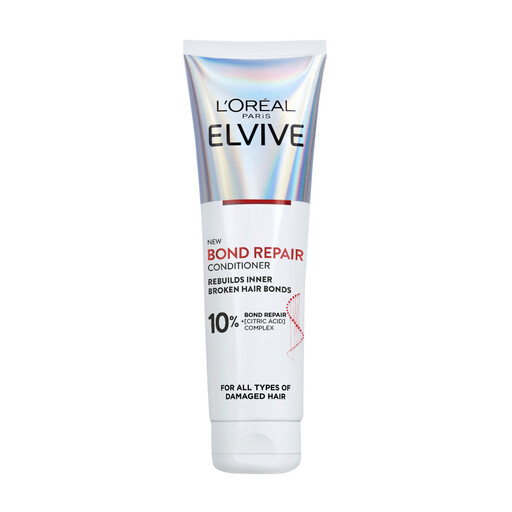
Why This Fits Their Persona: Designed for people managing damage from bleaching, colouring, frequent brushing or heat styling who want a structured multi-step routine.
The instructions specify a three-minute leave-on time and placement from mid-lengths to tips, helping set realistic expectations for use.
Contains citric acid, glycerin and conditioning agents; intended as the third step in its Bond Repair routine.
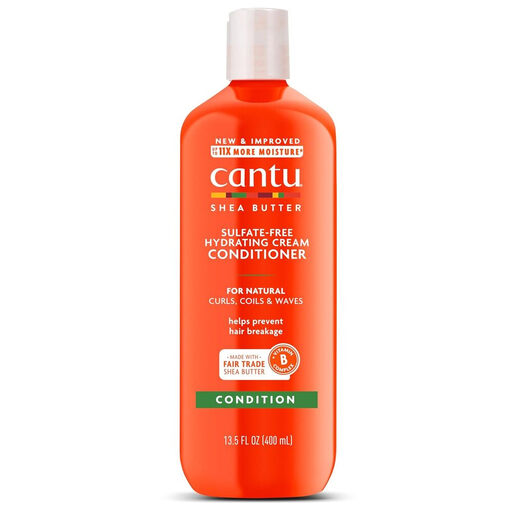
Why This Fits Their Persona: A larger-format cream conditioner for natural, wavy, curly or coily hair that needs more slip and moisture during detangling.
The 400ml format is practical for generous application, while the instructions recommend starting at the ends and working towards the roots.
Sulphate-free formula; contains shea butter and panthenol; listed for natural and coloured hair.
We have compiled a complete, real-time list of products that fully satisfy these strict selection criteria and UK safety regulations.
A weekly intensive conditioner can complement daily care, but excessive product or layering several rich treatments may create build-up. Clarifying routines should also be used carefully on dry or colour-treated hair.
There is no single suitable formula for every hair type. Choose a bond repair or strengthening conditioner for chemically or heat-damaged hair, a richer moisturising conditioner for coarse or curly hair and a lighter anti-frizz option for fine hair. Always compare the instructions, ingredients and application method before buying.
A regular conditioner can usually be used after washing, provided your hair feels comfortable and is not weighed down. An intensive hair repair treatment may be better once weekly or as directed on the packaging. If hair becomes stiff, coated or difficult to style, reduce the frequency or switch to a lighter formula.
Conditioner can improve softness, slip and manageability, while leave-in products may help shield hair from humidity and reduce visible flyaways. These effects are temporary and depend on washing, weather, styling and hair condition. Trim visibly split ends and reduce high heat if breakage and frizz continue.