
24/7 Customer Support

Free returns

Same-day & Next-day Delivery

Quality Guaranteed

Unlock Your Welcome Offers: FREE Delivery | Up to 80% OFF | Free 30-day JoyPlus trial
Download the APP
Dry ends, flat roots, colour fade and breakage can all make choosing a hair conditioner feel more complicated than it should. A product labelled “repair”, “volume” or “hydration” may not suit your hair, scalp or styling routine.
The practical approach is to match the formula to your hair’s condition, check the ingredient list and assess how much product you receive for the price. The following guide highlights common buying traps and compares suitable options for different UK shoppers.
A conditioner can make hair feel smoother, softer and easier to detangle after one wash. That does not necessarily mean it has permanently repaired structural damage. Silicone-based conditioning agents, oils and film-formers may improve slip and shine, while protein or bond-focused ingredients are selected for a more targeted repair conditioner routine.
If your hair is bleached, frequently heat-styled or prone to snapping, look for clearly listed conditioning, protein or bond-supporting ingredients rather than relying only on words such as “rescue” or “miracle”.
A thick, creamy conditioner may suit coarse or very dry hair but can leave fine strands feeling coated or limp. Conversely, a lightweight conditioner for fine hair may not provide enough softness for thick, curly or highly porous lengths.
“Volumising” also needs careful interpretation. It generally refers to a fuller-looking or lighter-feeling appearance, not a medical change in hair density. Apply volume formulas mainly to the mid-lengths and ends, unless the packaging specifically gives different instructions.
A 200ml bottle may appear inexpensive but offer less value than a 385ml or 500ml option, particularly if you have long or thick hair. Compare price per 100ml, not just the shelf price. Also check whether the product is designed to be used with a matching shampoo, mask or spray, as a complete routine can increase the total spend.
Ingredients appear in descending order by weight, although ingredients used at low concentrations may be listed in a different order after the relevant threshold. Common conditioning ingredients include behentrimonium chloride, cetrimonium chloride, fatty alcohols such as cetearyl alcohol, and silicones such as dimethicone or amodimethicone.
Silicone-free products may appeal to shoppers who prefer a lighter or different hair-care feel, while silicone-containing conditioners can offer slip and smoothing. Neither option is automatically suitable for every hair type. Fragrance allergens, including limonene, linalool and citronellol, may also appear on the label, so review the packaging if you have previously reacted to fragranced cosmetics.
Apply conditioner mainly to the mid-lengths and ends, unless the product directions state otherwise. Fine hair may need a smaller amount, while long or thick hair may require more. Rinse thoroughly to reduce residue.
Cosmetic products should be used according to the packaging instructions. Avoid eye contact, keep bottles away from children and discontinue use if irritation occurs. Always check the current packaging for the latest ingredients, warnings, batch information and period-after-opening guidance.
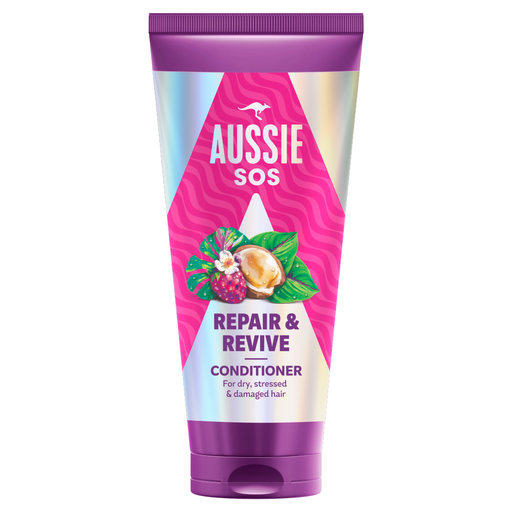
Why This Fits Their Persona: A practical 200ml option for UK shoppers starting a dry or damaged-hair routine without committing to a large bottle. Its vegan formula is listed as free from animal-derived ingredients or by-products.
The listing clearly identifies dry, stressed and damaged hair as its intended use, rather than relying only on a general volume claim.
Contains macadamia seed oil and is designed to detangle, soften and hydrate hair. It can be paired with the matching shampoo and mask.
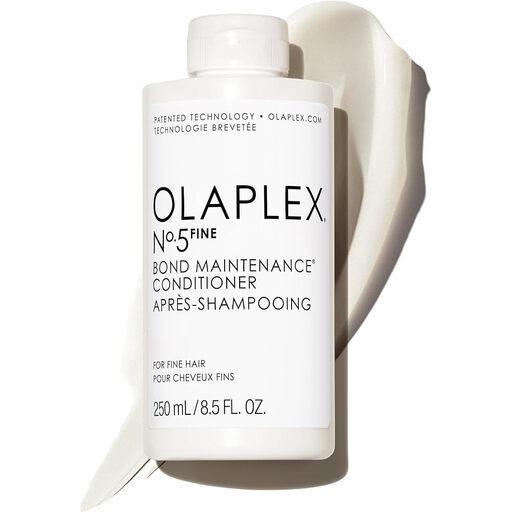
Why This Fits Their Persona: A targeted choice for shoppers with fine, colour-treated or chemically treated hair who want a lightweight bond repair conditioner format.
It is specifically described for fine hair and directs users to apply it to mid-lengths and ends, helping avoid unnecessary scalp build-up.
The formula includes Bis-Aminopropyl Diglycol Dimaleate, glycerin, panthenol and sodium hyaluronate. The bottle contains 250ml.
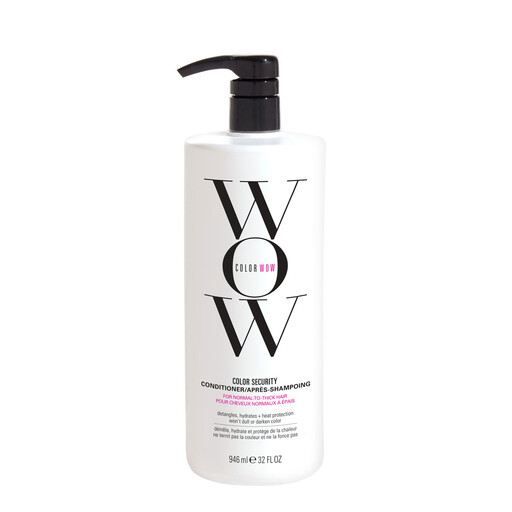
Why This Fits Their Persona: The 946ml size suits households, long hair or shoppers who condition frequently and want to reduce repeat purchases.
Its intended hair profile is stated as normal to thick and colour-treated, making the product positioning more specific than a universal conditioner label.
Includes avocado oil, glycerin and hydrolysed keratin. It is described as a rich conditioner for smoothing, detangling and hydration.
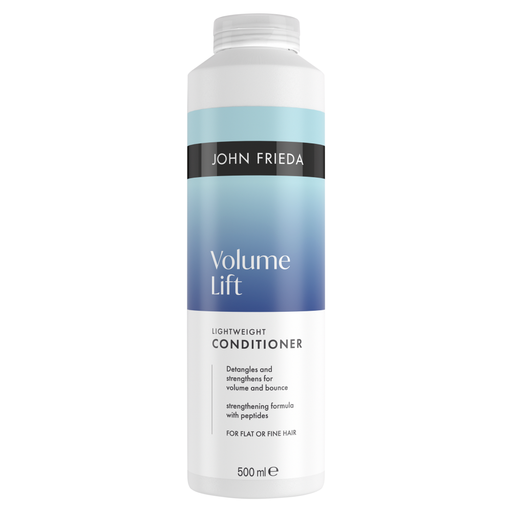
Why This Fits Their Persona: Designed for fine, flat hair, it suits shoppers who want regular detangling and moisture while keeping the formula lightweight.
The product is labelled for fine hair and is silicone-free, helping shoppers avoid selecting a richer conditioner intended for thick or coarse strands.
The vegan formula includes panthenol and hydrolysed vegetable, corn and rice proteins. It comes in a 500ml bottle and is listed as suitable for colour-treated hair.
We have compiled a complete, real-time list of products that fully satisfy these strict selection criteria and UK safety regulations.
Most rinse-out formulas need between one and five minutes, but the product directions should take priority. Leaving a standard conditioner on significantly longer does not guarantee additional benefit and may leave residue.
Use it after shampooing whenever your lengths feel tangled, dry or difficult to manage. Fine hair may need a smaller amount or less frequent conditioning, while thick, curly, bleached or heat-styled hair may benefit from conditioning at every wash.
Yes, a rich formula or excessive application can make fine hair feel weighed down. Choose a lightweight conditioner for fine hair, apply it below the roots and rinse carefully. A volumising or thickening formula may be more appropriate when your priority is body rather than intense moisture.