
24/7 Customer Support

Free returns

Same-day & Next-day Delivery

Quality Guaranteed

Unlock Your Welcome Offers: FREE Delivery | Up to 80% OFF | Free 30-day JoyPlus trial
Download the APP
The right hair conditioner can make strands easier to detangle, softer to touch and more manageable. The wrong one may leave fine hair flat, colour-treated hair feeling rough or a sensitive scalp uncomfortable. For UK shoppers, the challenge is often separating useful product information from broad claims about “repair”, “volume” or “natural” ingredients.
Before adding a bottle to your basket, watch for these common buying traps:
Start with the problem you want to address most often:
The scalp and the lengths may need different types of care. A scalp soothing conditioner can be useful when the product is specifically designed for scalp application, but many standard conditioners are intended only for mid-lengths and ends.
Read the directions carefully. Ingredients such as fragrance, menthol, peppermint oil and rosemary oil may not suit everyone. If you have persistent itching, flaking, redness or soreness, cosmetic conditioner should not replace advice from a qualified healthcare professional. Stop using a product if irritation develops.
Terms such as vegan hair conditioner, “cruelty-free”, “sulphate-free” and “96% natural origin” describe different things. They should not be treated as interchangeable. Also check:
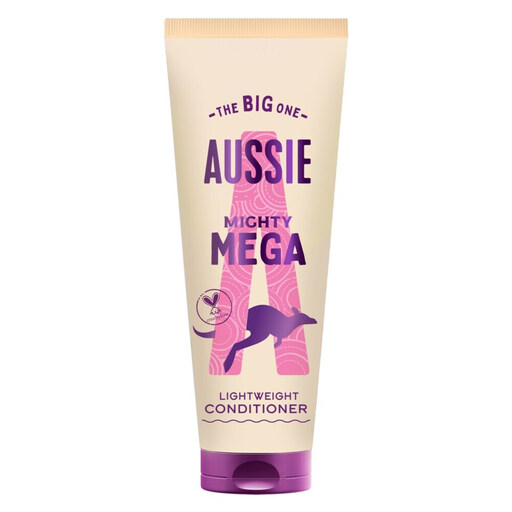
Why This Fits Their Persona: A practical daily option for shoppers who want moisture and detangling without a heavy finish, particularly on fine or flat hair.
Its directions recommend a small amount and a short 1–2 minute application, helping avoid over-conditioning.
275ml size; lightweight texture; contains glycerin and eucalyptus extract; PETA-certified cruelty-free according to the product information.
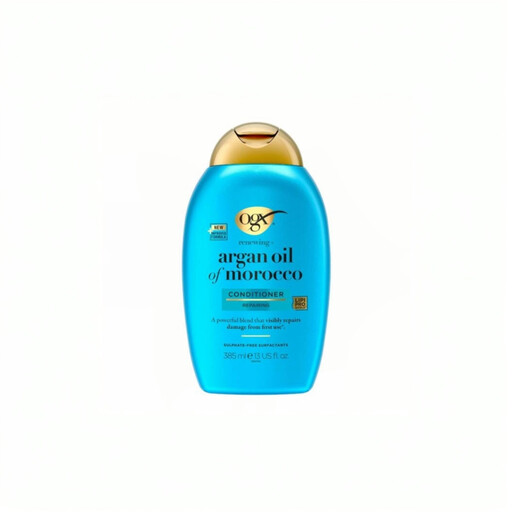
Why This Fits Their Persona: Suitable for shoppers prioritising a richer conditioning experience for dry, damaged or frizz-prone lengths.
The product information identifies argan oil, silk amino acids and smoothing agents, rather than relying on an oil-only claim.
385ml volume; sulphate-free surfactant system; designed to smooth frizz and support a softer feel.
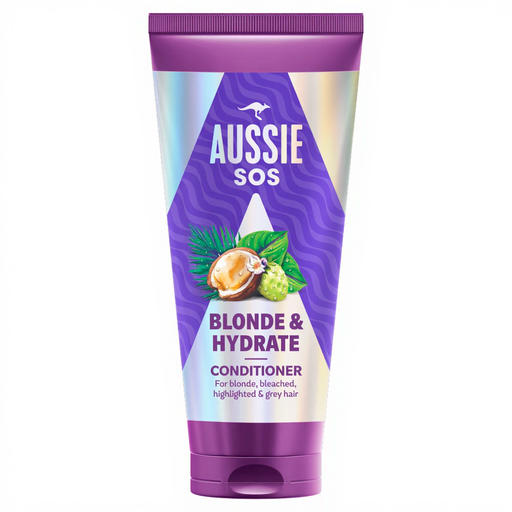
Why This Fits Their Persona: A targeted choice for people managing bleached, highlighted, silver or grey hair that needs softness and easier detangling.
It is clearly labelled for blonde, bleached, highlighted and grey hair, avoiding vague all-hair positioning.
Vegan formula; contains macadamia seed oil and strawberry extract; intended to hydrate, soften and improve manageability.
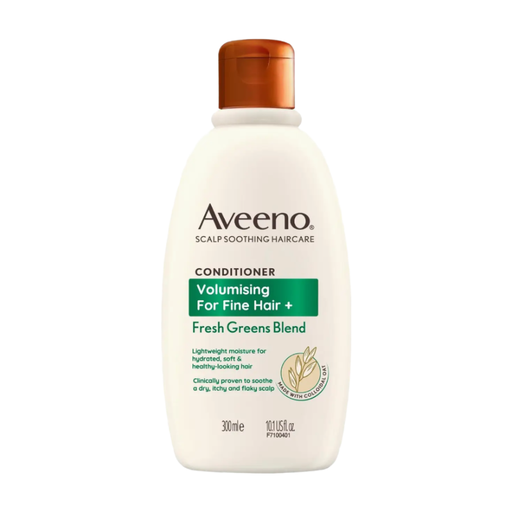
Why This Fits Their Persona: Designed for fine to thin hair and shoppers seeking a lighter conditioner with a scalp-focused positioning.
The label identifies a pH-balanced, sulphate-free formula and gives a 3–5 minute application time, making usage clearer.
300ml size; contains colloidal oatmeal, cucumber water and glycerin; free from sulphates, parabens and dyes according to the product information.
We have compiled a complete, real-time list of products that fully satisfy these strict selection criteria and UK safety regulations.
Apply conditioner after shampooing, squeeze out excess water, then distribute it through the mid-lengths and ends. Fine hair usually needs less product, while porous or curly hair may need more. Leave the formula on for the time stated on the packaging and rinse thoroughly.
A leave-in conditioner should be used sparingly, particularly on fine hair. Products specifically labelled for leave-in use, such as selected Herbal Essences formulas, can offer additional softness and manageability without requiring a second rinse. Avoid applying heavily fragranced products to broken or irritated skin and check the packaging for the latest ingredients, warnings and storage information.
Most people can use conditioner whenever they shampoo, although frequency depends on hair texture and product build-up. Fine hair may need a lightweight formula and a smaller amount, while dry, curly or bleached hair may benefit from conditioning after each wash.
Conditioner can temporarily smooth the hair surface, improve slip and reduce the feel of roughness. It cannot permanently rebuild every damaged strand. For conditioner for damaged hair, combine sensible product use with lower heat, careful brushing and regular trimming where appropriate.
Price alone does not indicate suitability. Compare the size, ingredient list, concentration, application time and intended hair concern. A 300ml lightweight conditioner may offer better value for daily use than a smaller intensive formula, while a targeted product can be more practical if your hair is bleached, very dry or prone to frizz.