
24/7 Customer Support

Free returns

Same-day & Next-day Delivery

Quality Guaranteed

Unlock Your Welcome Offers: FREE Delivery | Up to 80% OFF | Free 30-day JoyPlus trial
Download the APP
Navigating the world of hair care can feel overwhelming. With shelves lined with bottles all promising miraculous transformations, it is easy to end up with a product that either weighs your hair down or does very little at all. As a Joybuy Product Recommendation Officer, my role is to help you see past the marketing jargon and focus on what truly matters for your hair type and concerns.
Many of us have fallen into common purchasing traps. Let's look at a few that lead to disappointment and wasted money:
To make an informed choice, focus on the fundamental purpose and formulation of the conditioner. This ensures it aligns with your hair's specific needs.
Understanding the difference between a repairing and a hydrating formula is crucial for getting the results you want.
The base formula determines how the conditioner will feel and perform on your hair.
Instead of a generic list, we have matched specific products to common UK user profiles, explaining how each one addresses the pitfalls and meets key criteria.
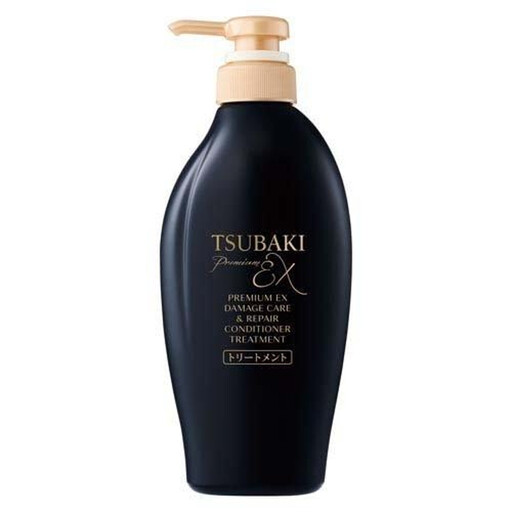
Why This Fits Their Persona: This user frequently colours, bleaches or heat-styles their hair, leading to significant damage. They need a powerful repairing formula that goes beyond surface-level conditioning to restore health and strength from within.
It avoids the "miracle ingredient" trap by using an advanced ion-repair technology that targets damage at the core, rather than just highlighting a single oil or extract. The focus is on a comprehensive repair system.
Its primary function is to repair weakened hair from chemical processes. The formula delivers intensive hydration without a heavy, greasy feel, making it suitable for regular use on damaged hair.
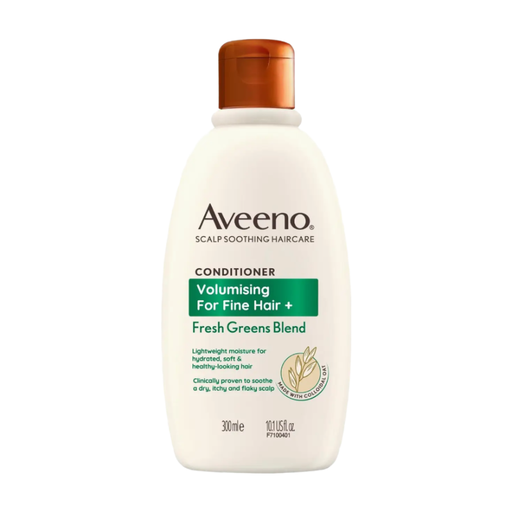
Why This Fits Their Persona: This person has fine, thin hair that is easily weighed down. They need a conditioner that provides lightweight moisture and volume without causing build-up and may also have a sensitive or dry scalp.
It directly counters the "one-size-fits-all" trap by being specifically formulated for fine, thin hair. Its lightweight moisture and volumising properties are the opposite of what a heavy, generic conditioner provides.
The formula is pH-balanced and sulfate-free, delivering lightweight volume. According to the brand, its colloidal oat is clinically proven to help soothe a dry, itchy scalp, addressing both hair and scalp needs.
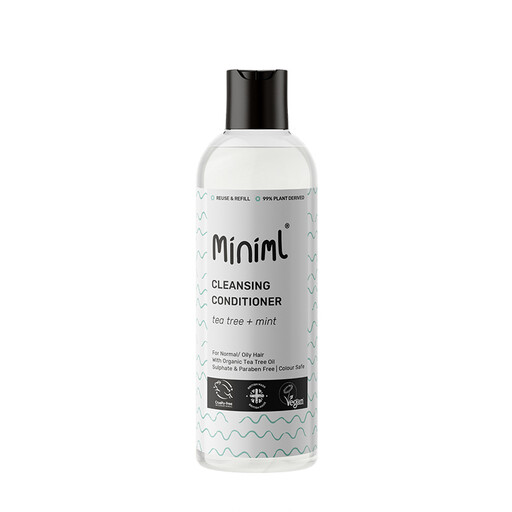
Why This Fits Their Persona: This shopper prioritises sustainability, natural ingredients and gentle formulas. They want a product that is effective for their hair but also vegan, biodegradable and free from harsh chemicals like sulfates and parabens.
It avoids the "sulfate-free isn't everything" trap by offering a completely gentle formulation. It is free from sulfates, parabens and other harsh chemicals, focusing on plant-derived ingredients and a 100% natural fragrance.
This is a vegan, biodegradable and cruelty-free product made in the UK. It is safe for coloured and curly hair and is available in sustainable refill options, aligning perfectly with an eco-conscious lifestyle.
We have compiled a complete, real-time list of products that fully satisfy these strict selection criteria and UK safety regulations.
The price of a conditioner does not always correlate directly with its quality, but salon or premium brands often invest more in research and development. They may use more sophisticated ingredient complexes, higher concentrations of active ingredients or patented technologies (like the bond-building in Olaplex or ion-repair in Shiseido). While many high-street brands offer excellent value and effective formulas, if you have very specific or severe concerns like extreme damage or colour fading, a targeted salon-brand product can provide more noticeable results.
Conditioner itself does not cause hair loss from the follicle. However, very heavy formulas containing certain non-soluble silicones can build up on the scalp and hair shaft. This build-up can weigh hair down, making it appear thinner and potentially clog follicles if not washed out properly. If you experience this, switch to a lighter or silicone-free formula and use a clarifying shampoo once a week to remove residue.
This depends on your hair's condition. For normal to slightly dry hair, using a deep conditioner or mask once a week is usually sufficient to maintain moisture and shine. For very dry, porous or a conditioner for damaged hair, you might benefit from using a mask twice a week. Always follow the product's instructions, as leaving it on for too long (especially protein-based masks) can sometimes make hair feel stiff.