
24/7 Customer Support

Free returns

Same-day & Next-day Delivery

Quality Guaranteed

Unlock Your Welcome Offers: FREE Delivery | Up to 80% OFF | Free 30-day JoyPlus trial
Download the APP
Navigating the world of hair care can feel overwhelming. Shelves are lined with bottles all promising smoother, shinier and healthier hair. Yet, many of us have experienced the disappointment of buying a new hair conditioner only to find it leaves our hair greasy, flat or no different than before. This often comes down to a few common shopping pitfalls that are easy to fall into.
As a Joybuy Product Recommendation Officer, my role is to help you see past the marketing jargon. Before you spend another pound, let’s look at the frequent missteps that lead to a bad hair day.
Understanding these traps is the first step. The next is knowing what to look for instead.
To find a conditioner that truly works for you, focus on two key areas: the formulation that matches your hair's needs and the type of conditioner that fits your routine.
Your hair's specific condition dictates the ingredients that will be most effective.
How and when you use your conditioner is just as important as what's in it.
Based on these practical criteria, we've matched a few standout products from our collection to specific user needs. These selections are chosen for their formulation and suitability for common UK hair concerns.
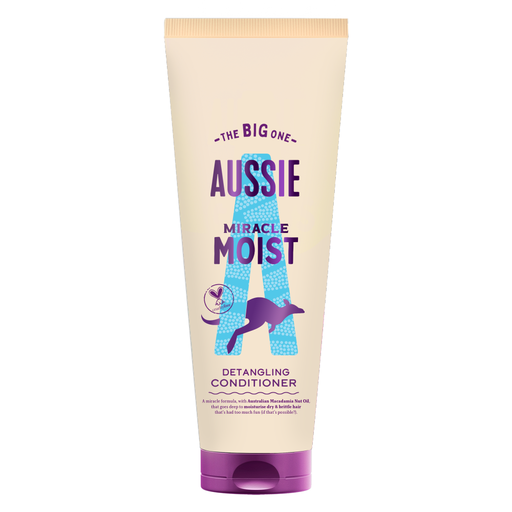
Why This Fits Their Persona: This user needs reliable, daily hydration to combat dryness and make hair manageable without a complicated routine. This conditioner is designed specifically for that purpose, making it a practical choice for everyday use.
It avoids the "one-size-fits-all" trap by focusing squarely on moisture. The formula is built around Australian Macadamia Nut Oil, an effective emollient for dry hair, rather than making vague promises for all hair types.
Its primary function is to deliver moisture and detangle, which it does effectively. The formula is lightweight enough for daily use without causing build-up, leaving hair soft and smooth.
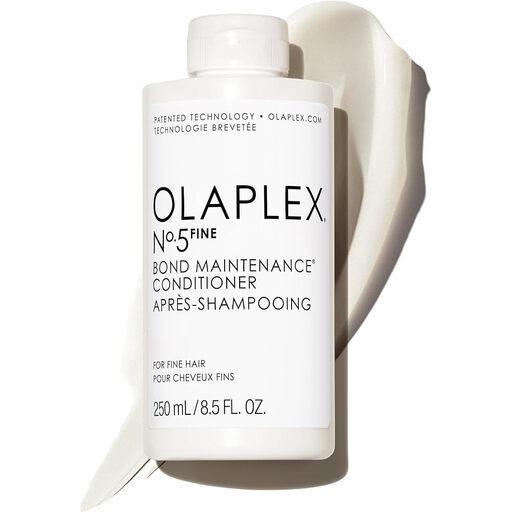
Why This Fits Their Persona: This user invests in their hair care and seeks out products with advanced technology to repair and protect chemically treated or heat-damaged hair. They prioritise long-term hair health over a quick fix.
It moves beyond the "miracle ingredient" hype by focusing on a patented, comprehensive bond-repair system. The effectiveness comes from the entire formulation working to repair hair structure, not just a single highlighted ingredient.
The core benefit is its ability to strengthen and repair hair bonds, which helps reduce breakage and improve manageability. This version is specifically formulated for fine hair, providing repair without weighing it down.
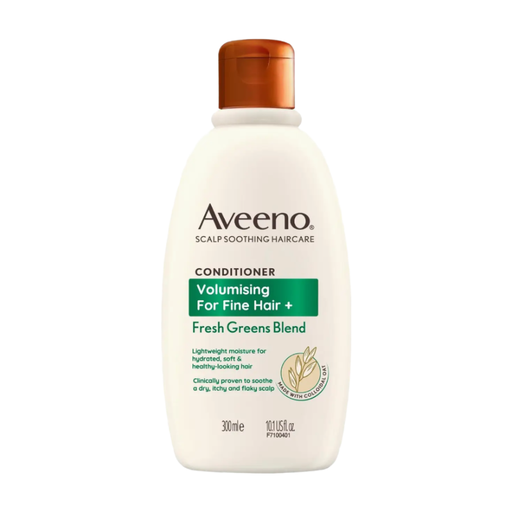
Why This Fits Their Persona: This person struggles with hair that lacks body and can be easily weighed down by heavy products. They need a conditioner that provides moisture and volume simultaneously, and may also have a sensitive scalp.
It directly counters the problem of using the wrong conditioner type. Its lightweight, volumising formula is specifically designed for fine hair, ensuring it won't cause the greasy, flat results that a heavy repair conditioner would.
It delivers lightweight moisture to add body and fullness. The inclusion of colloidal oat makes it suitable for those with sensitive or dry scalps, addressing two problems in one bottle.
We have compiled a complete, real-time list of products that fully satisfy these strict selection criteria and UK safety regulations.
For most hair types, using a deep conditioner or hair mask once a week is sufficient to provide an intensive moisture and nutrient boost. If your hair is extremely dry or damaged, you might increase this to twice a week. For fine or oily hair, once every two weeks may be enough to avoid weighing your hair down.
Generally, it is recommended to apply conditioner from the mid-lengths to the ends of your hair. This is the oldest and typically driest part of the hair shaft. Applying a rich conditioner directly to the scalp can lead to build-up and greasiness, especially for those with fine or oily hair. However, some specific scalp-soothing or medicated formulas are designed for scalp application, so always check the product's directions.
While sulfates are more commonly found in shampoos as cleansing agents, the term "sulfate-free" in a hair care system implies a gentler approach. A sulfate-free conditioner is part of a routine that avoids harsh detergents, which is particularly beneficial for dry, curly or colour-treated hair. This helps preserve natural oils and maintain the vibrancy of your hair colour for longer.