
24/7 Customer Support

Free returns

Same-day & Next-day Delivery

Quality Guaranteed

Unlock Your Welcome Offers: FREE Delivery | Up to 80% OFF | Free 30-day JoyPlus trial
Download the APP
Dryness, frizz, breakage and lack of shine can make choosing between hair conditioners and treatments surprisingly difficult. A product may promise intensive hydration but leave fine hair flat, while a rich conditioner for dry hair can feel heavy on curls or oily roots. Marketing language such as “repair”, “strengthening” and “gloss” also needs careful interpretation: these terms often describe how hair looks or feels rather than permanent changes to the hair fibre.
Joybuy Product Recommendation Officer guidance focuses on practical details, helping you compare formulas, formats and usage instructions before spending money.
A hair repair treatment can make strands feel smoother and easier to comb by coating the cuticle and improving slip. This may reduce the sensation of roughness, but it does not mean that split ends or structural damage have been permanently reversed. Look for clear information about conditioning agents, proteins, oils and recommended contact time rather than relying on dramatic wording alone.
A deeply moisturising mask may suit thick, curly or heavily processed hair but overwhelm fine hair. Lightweight conditioners often work more comfortably on fine to normal strands, particularly when applied from the mid-lengths. Product size matters too: a 500ml bottle can offer practical value for frequent use, but buying a large format that does not suit your hair can create unnecessary waste.
A vegan hair conditioner does not automatically suit every scalp or hair texture. Similarly, sulphate-free conditioner describes what the formula excludes, not how moisturising or lightweight it will be. Fragrance and essential oils can also matter if your scalp is sensitive. Always check the current packaging, full ingredient list and allergen information before use.
A daily conditioner commonly needs around two to five minutes, while a hair repair treatment may require longer contact. Follow the label rather than assuming that leaving a product on for longer will improve results. For example, the Elvive Glycolic Gloss Conditioner is intended for three minutes after shampooing, while the matching five-minute lamination treatment is applied after shampoo and conditioner.
Ingredient lists are arranged broadly by concentration, although individual ingredients can still serve different functions at low levels. Cetearyl alcohol and behentrimonium chloride are common conditioning ingredients, not the same as drying alcohols. Oils can add softness and shine, while proteins may support a stronger-feeling finish. If you specifically want a sulphate-free conditioner, confirm the claim on the product packaging rather than assuming it from the product name.
For UK shoppers, cosmetic products should carry appropriate responsible-person and ingredient information. Stop using a product if irritation occurs, avoid eye contact and follow the storage and opening-period guidance printed on the packaging.
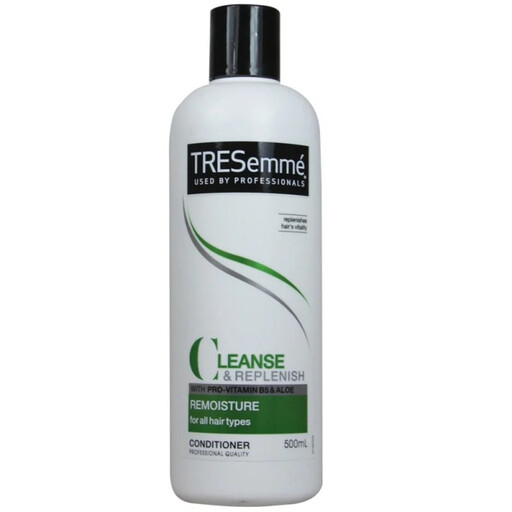
Why This Fits Their Persona: The 500ml size suits regular household use and offers a straightforward two-to-three-minute conditioning step for a range of hair types.
Its stated routine and capacity make the cost-per-use easier to assess than a smaller premium-format product.
500ml capacity; includes amino acids, ceramide NG and conditioning agents.
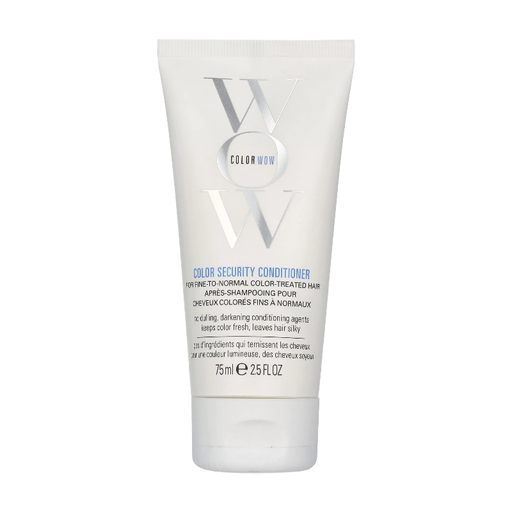
Why This Fits Their Persona: A compact option for colour-treated, fine to normal hair where lightweight hydration and detangling are priorities.
It identifies eight non-oxidising conditioning agents and advises keeping application away from the scalp.
75ml format; contains argan oil, avocado oil, panthenol and hydrolysed proteins.
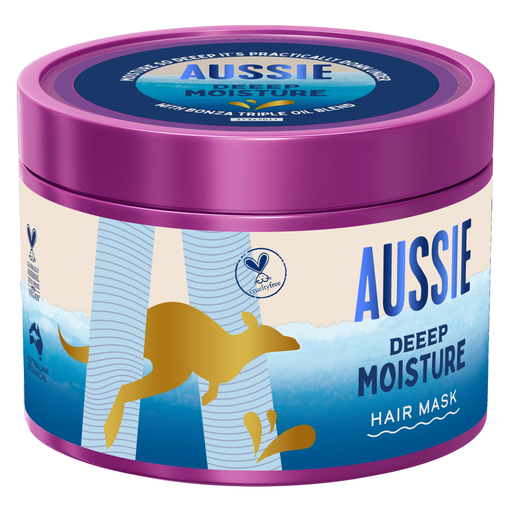
Why This Fits Their Persona: Designed for very dry, thick or curly hair, with a multi-use format suited to weekly or more intensive conditioning.
The label explains three use options, allowing you to adjust contact time instead of using one heavy routine every day.
300ml size; vegan formula with jojoba, avocado and macadamia oils.
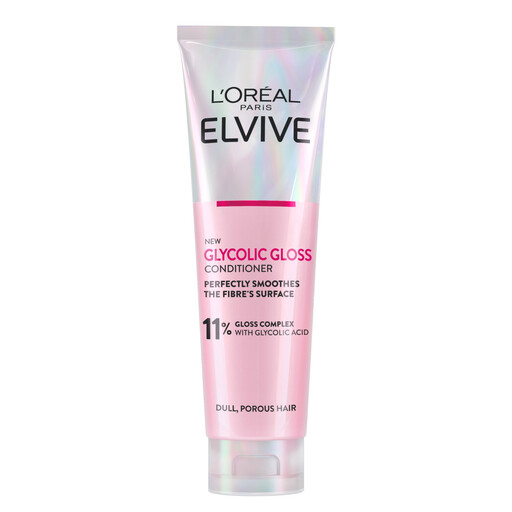
Why This Fits Their Persona: Suitable for straight, wavy, curly and coily hair when the main aim is a smoother, shinier-looking finish.
Its three-minute application time and stated routine position make the glossing process clear rather than vague.
150ml size; contains glycolic acid and conditioning agents for a smooth-feeling finish.
For many people, once a week is a sensible starting point, especially for dry, bleached or damaged hair. Fine hair may need less frequent use, while thick or curly hair may tolerate more intensive conditioning. Adjust according to how your hair feels after rinsing: softness and manageability are useful signs, but limpness or residue suggests reducing the amount or frequency.
Usually, apply conditioner from the mid-lengths to the ends, where friction and dryness are more common. Fine hair or oily roots can become weighed down if a rich formula is applied directly to the scalp. Follow the product directions where they differ.
Usage depends on hair length, density and whether the product is used daily or weekly. A 150ml bottle may suit occasional or targeted care, while 385ml to 500ml formats are more practical for frequent household use. Compare the amount needed per application, not just the bottle price, and observe the product’s 12-month-after-opening guidance where stated.