Frequent swimmers with dry-feeling hair
If your hair feels dry after regular pool visits, start with adjustable heat and speed. A scalp-focused mode is another feature to consider, but it does not replace your post-swim hair-care routine.


Choose a hair dryer for after swimming around your main need, rather than wattage alone. Adjustable heat and speed give you control over drying; check for an included diffuser if you want to dry natural curls or waves, or consider a documented heat-management mode if scalp comfort matters to you. Whatever you choose, use the dryer in a dry area away from water.
If your hair feels dry after regular pool visits, start with adjustable heat and speed. A scalp-focused mode is another feature to consider, but it does not replace your post-swim hair-care routine.
Check whether the exact dryer bundle includes a diffuser and offers controllable heat and airflow. Swim England notes that curly and coily hair can be more prone to dryness and breakage from chlorine and other pool chemicals.
If you need to dry your hair before leaving for work, school or home, compare usable heat and speed settings and how easily you can keep the air inlet clear. Make sure you have a suitable dry place to use the dryer.
For a post-swim routine, identify the need you would put first, then compare controls, attachments and upkeep rather than treating a motor rating as a drying-time result.
| Concern | What to check | Who this matters to |
|---|---|---|
| Prompt drying | Compare heat and speed settings and the supplied nozzle; do not use wattage as a guaranteed drying-time measure. | If I need to leave soon after a swim, I want enough control to dry my hair promptly without relying on one maximum setting. Around 29% of consumers put prompt post-swim drying first. |
| Heat and scalp comfort | Look for adjustable heat and, if you want one, a clearly described heat-management mode. | When I dry my hair frequently, I want to choose the heat I use near my scalp. This is the primary need for roughly 29% of consumers. |
| Natural texture | Confirm that a diffuser is included with the exact bundle, alongside suitable heat and airflow controls. | If I wear my natural curls or waves after swimming, I do not want to rely solely on a directed-airflow nozzle. About 21% of consumers prioritise an attachment suited to that routine. |
| Everyday reliability | Check the plug, supplied attachments and instructions for keeping the air inlet clear. | For regular pool visits, I want straightforward controls and an appliance I can maintain. Around 21% of consumers make practical day-to-day use their main concern. |
Wet conditions increase the risk of electric shock. Electrical Safety First advises against using a hair dryer in a bathroom or near a sink full of water.
Find a suitable dry area after your swim, keep the plug and cable dry, and unplug the dryer after use.
Wattage does not tell you whether the supplied attachment suits your hair or establish your drying time. Electrical Safety First also highlights adjustable heat and speed as ways to control airflow and heat.
Compare the settings, attachments and access for cleaning the air inlet before deciding which motor rating suits your routine.
A concentrator directs airflow for precision styling; it is not the same attachment as a diffuser. Supplied tools can differ between models and bundles.
Read the in-the-box list for the exact version you intend to buy.
Getting a diffuser may require a different bundle or a separate accessory.
Electrical Safety First advises keeping air openings clear and stopping use if you notice damage, sparks or an unusual smell.
Follow the cleaning instructions and inspect the plug and cable, especially if you carry the dryer to and from the pool.
The Supersonic Nural Straight+Wavy illustrates a sensor-led heat-management route.
The Helios illustrates a focused-airflow route for directed drying and styling.
The Ionic Dry 2200 D3190S illustrates a conventional full-size dryer with a choice of attachments.
The SpeedStyle Pro HD731UK illustrates a styling route aimed at straight or wavy hair.
These Joybuy hair dryers offer different ways to handle a post-swim routine, including portable designs and models whose names or listings specify a diffuser. Match the exact attachments and controls to your hair routine, and check plug and product details before buying.
 No image available
Consider this model if you want a diffuser as well as a nozzle for different post-swim drying routines.
The Joybuy listing describes adjustable airflow and temperature settings and two attachments. Confirm the plug and applicable product details before buying.
 No image available
The foldable design may suit carrying a dryer to the pool if you have a suitable dry place to use it.
Its product name specifies 1800W and both a diffuser and concentrator. Keep this appliance away from water, and confirm its plug and applicable product details before buying.
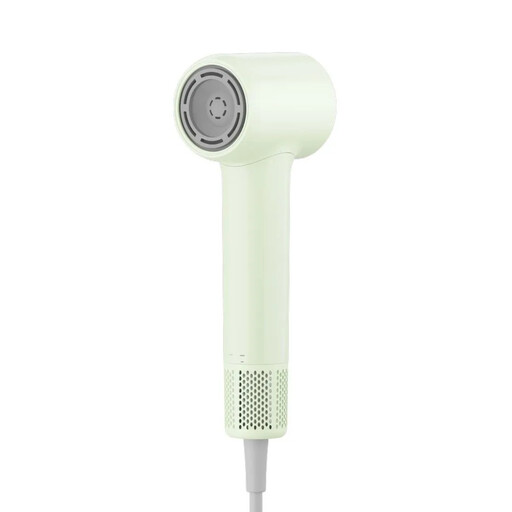 No image available
This compact model is worth considering if you carry your dryer to and from swimming.
Its product name specifies a 270 g weight, five temperature settings and two airflow modes. If diffusing curls matters to you, check the supplied attachments; also confirm the plug and applicable product details.
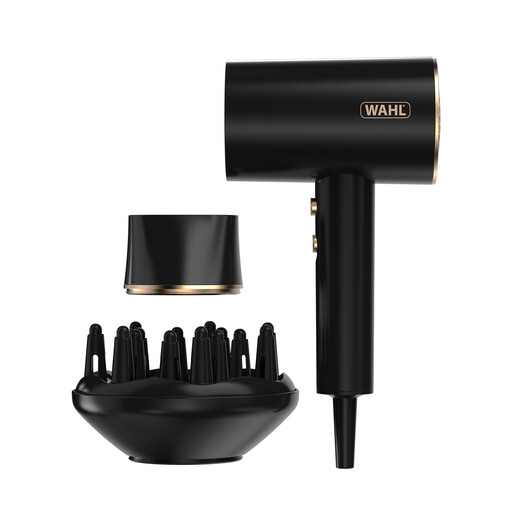 No image available
Consider this model if you want to compare a conventional dryer for routine use after swimming.
Its product name specifies a 2100W rating, which should not be treated as a measured drying time. Check the exact supplied attachments, plug and applicable product details before buying.
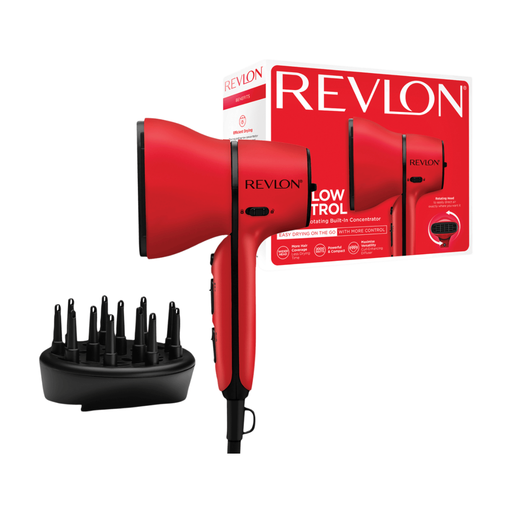 No image available
This model suits a routine where an included diffuser and adjustable controls are priorities.
Its product name specifies three heat settings, two speeds, a rotating concentrator and a removable end cap. Confirm the voltage, plug and applicable product details before buying.
No. Electrical Safety First advises against using a hair dryer in a bathroom or near a sink full of water. Use it in a suitable dry area, keep the plug and cable dry, and unplug it afterwards.
Choose adjustable heat and speed so you can control your drying routine, and consider your post-swim hair care as well. Swim England notes that curly and coily hair can be more prone to dryness and breakage from chlorine and other pool chemicals; a dryer does not replace cleansing and conditioning.
A diffuser is worth checking for if you want to dry natural curls or waves, but it is not necessary for every routine. If you mainly want directed airflow for smoothing, a concentrator serves a different purpose; confirm which attachment comes with the exact bundle.
Not necessarily for your own post-swim routine. Electrical Safety First associates higher wattage with more power and faster drying, but a wattage figure alone cannot establish your drying time. Compare the heat and speed controls and supplied attachments too.