Time-pressed nape dryers
You need to dry a damp nape before leaving for work, not complete a full styled blow-dry. Focused airflow and controls you can adjust quickly matter to this short routine.


For a short pre-work routine, choose a dryer you can aim comfortably at the nape, with adjustable heat and airflow and a suitable nozzle. A conventional dryer may meet that need; give more weight to shape, handling or cable reach if getting behind your head is the difficult part. Wattage alone cannot settle how controllable the dryer will feel.
You need to dry a damp nape before leaving for work, not complete a full styled blow-dry. Focused airflow and controls you can adjust quickly matter to this short routine.
Reaching the back of your neck feels tiring or makes the dryer difficult to aim. Consider its shape, grip, weight, cable reach and nozzle alongside its stated power.
You dry this area regularly and want to adjust heat and airflow as the nape dries, rather than leave the dryer on its hottest setting throughout.
For a small area that is awkward to reach, check how you will direct the air and hold the dryer before deciding whether its power rating meets your needs.
| Concern | What to check | Who this matters to |
|---|---|---|
| Drying a damp nape promptly | Look for adjustable airflow and heat, plus a nozzle that directs air at the nape. Treat wattage as one specification, not a drying-time promise. | I need the damp area dry before I leave, without doing a full blow-dry. Around 42% of consumers choosing for this routine would put speed first. |
| Reach and handling | Consider the dryer’s weight and shape, cable length and whether its controls are easy to use while reaching behind your head. | If I have to keep changing my wrist angle or position by the mirror, comfortable handling matters most; around 33% of consumers would prioritise reach and control. |
| Adjustable heat | Check that you can change heat and airflow as the nape dries. If you also style the area, consider whether a cooler finishing setting suits your routine. | When I dry the nape often, I want control over the heat near my scalp rather than leaving it on maximum. For around 25% of consumers, that would be the primary concern. |
Electrical Safety First links higher wattage with greater power and faster drying, but the rating does not tell you whether a dryer is easy to aim at the nape.
Compare its heat and airflow controls, supplied nozzle, cable reach and handling information as well as its power rating.
The nape may dry before the hair around it, so the setting that helped at the start may no longer suit the remaining damp area.
Choose controls you can adjust during the routine and use no more heat than you need to finish drying.
Blocked openings can interfere with airflow. Electrical Safety First advises keeping openings clear and cleaning filters according to the manufacturer’s instructions.
Check how the exact model’s filter is accessed, and stop using a dryer that is damaged, sparks or gives off an unusual smell.
A product listing cannot establish the safety of the exact appliance. The UK Office for Product Safety and Standards has reported a hair dryer with a high fire risk linked to insecure fuse construction.
Check the supplied plug and product documentation, use a reputable retailer and look up recall information if a product or seller is unfamiliar.
Its Denim Luxe D251U illustrates a conventional dryer with controls and a nozzle relevant to focused nape drying.
The full-size ghd air is worth considering when changing position at the mirror is part of reaching the nape.
Dyson describes the Supersonic r as designed for control in hard-to-reach areas, making its shape relevant if nape access is your main difficulty.
These dryers offer different combinations of stated power, controls, attachments and compact designs to consider for a damp nape. Check the exact model’s supplied plug and suitability for your UK electrical supply before buying.
 No image available
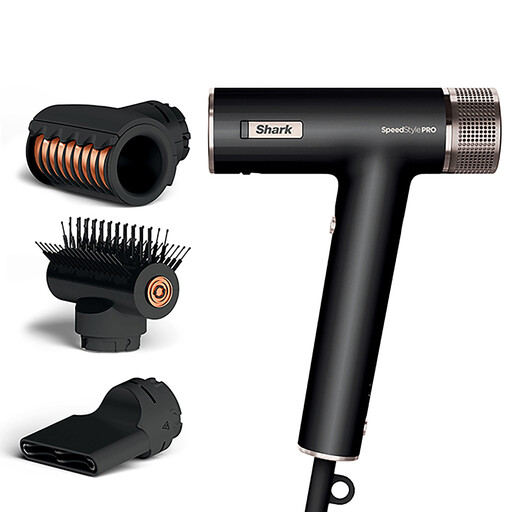
Consider this model if you want a dryer supplied with a nozzle for your short routine. Check whether that nozzle directs airflow narrowly enough for your nape.
The product name lists a 110,000 RPM motor and includes a nozzle and diffuser. Confirm the supplied plug suits your UK electrical supply.
 No image available
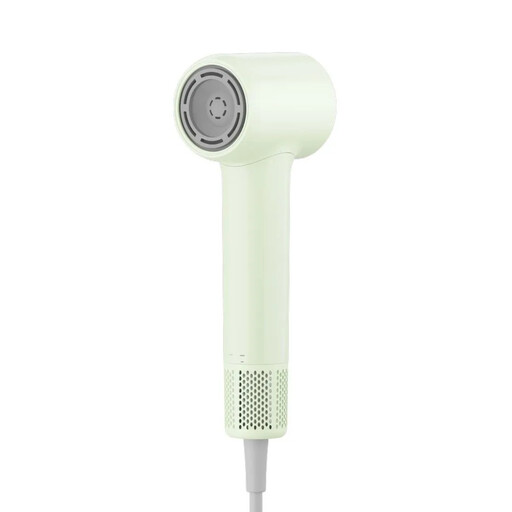
The listed concentrator makes this a model to examine if aiming at a small area matters to you. Check the exact heat and airflow controls if you plan to change settings as the nape dries.
The product name identifies a 3-in-1 hair dryer system. Also check its weight, cable reach and supplied plug for your routine.
 No image available
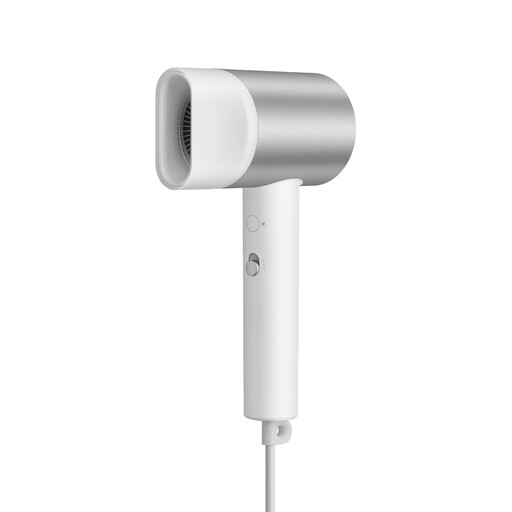
Consider its compact design if holding a dryer behind your head feels awkward, while checking that its controls suit the way you dry the nape.
The product name states 270 g, five temperature settings and two airflow modes. Confirm whether a suitable nozzle is included and whether the supplied plug suits your UK electrical supply.
 No image available
The magnetic nozzle is relevant if you want to direct air at the nape; check how it aims the airflow at your usual drying angle.
The product name states 20 m/s airflow and a hot-and-cool air cycle. Check that the exact unit’s stated 220V~ rating and supplied plug are suitable for your UK electrical supply before buying.
 No image available
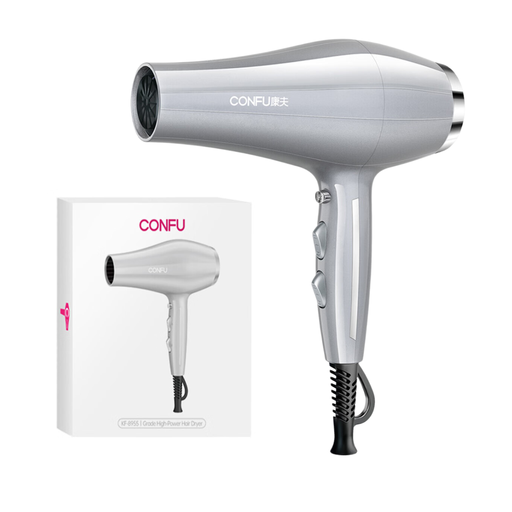
This conventional dryer is worth considering if a stated power rating is important to you, but check how you would aim and hold it behind your head.
The product name states 2300W. Check whether a concentrator is included, how its settings operate, and whether the supplied plug suits your UK electrical supply.
No: wattage is only one part of choosing a dryer for the nape. Electrical Safety First associates higher wattage with greater power and faster drying, but you should also check for adjustable heat and airflow and a nozzle you can aim comfortably.
A concentrator nozzle is the attachment to consider when you want to direct airflow at a small area without blowing across the rest of your hair. If you are deliberately drying curls or texture, a diffuser serves a different purpose; check which attachments come with the exact dryer.
Keep its air openings clear and clean its filter as the manufacturer directs. Electrical Safety First also advises letting a dryer cool on a heat-resistant surface and not wrapping the cable around it for storage; stop using an appliance that is damaged, sparks or smells unusual.
Check the exact dryer’s supplied plug, voltage information and product documentation, and buy from a retailer you trust. The UK Office for Product Safety and Standards explains that the Electrical Equipment (Safety) Regulations 2016 govern equipment placed on the market in Great Britain; Northern Ireland has distinct arrangements. A model name or styling specification does not establish conformity for a particular unit.
Keep the hair dryer away from the sink and water, and keep its plug and cable dry. Follow the appliance’s safety instructions, unplug it after use and never use it if it is damaged.