
24/7 Customer Support

Free returns

Same-day & Next-day Delivery

Quality Guaranteed

Unlock Your Welcome Offers: FREE Delivery | Up to 80% OFF | Free 30-day JoyPlus trial
Download the APP
At-home hair dye can make regrowth, grey coverage and colour changes more convenient, but the wrong product may leave you with an unsuitable shade, uneven results or a commitment you did not expect. UK shoppers often focus on the colour shown on the box while overlooking the formula, development time and restrictions on previously treated hair.
This guide explains the practical details to check before buying, followed by product recommendations matched to different needs.
The result depends on your starting colour, previous dye, porosity and the condition of your hair. A blonde hair dye may create a lighter result on natural dark blonde hair but may not lighten hair that already contains permanent colour. Similarly, brown hair dye can appear deeper on porous or bleached lengths.
Always compare the shade chart and read the instructions for your current hair colour. If your hair is significantly darker, heavily bleached or previously treated with henna or metallic dyes, a home application may not be suitable.
A permanent hair dye changes the colour more substantially and generally requires root maintenance as hair grows. A semi-permanent hair dye gradually fades with washing, making it more suitable for refreshing tone or trying a shade with less commitment. A temporary hair colour or root concealer spray usually sits on the surface and washes out with shampoo.
Marketing descriptions can make these options sound interchangeable. Check the stated lifespan, such as washes or weeks, rather than relying on words such as “lasting” or “long-wearing”.
A full permanent colour may be more appropriate when you want to cover widespread grey hair. A root concealer spray, powder or root touch-up product is designed for visible regrowth between colour applications, not for changing the shade of your whole head.
Temporary products can be useful before work, an event or a salon appointment, but they need to be reapplied after washing. Aerosol sprays are also flammable, so storage and application instructions matter.
Choose according to how often you want to recolour:
Look for the product’s recommended starting shades, not just the shade name. “Natural light blonde”, “medium blonde” and “ultra light ash blonde” are different shade levels and may produce different results depending on your base.
Warm shades such as auburn hair dye, golden blonde and plum brown add red, copper or gold tones. Ash shades are designed with cooler tonal direction. If you want a natural-looking hair colour, consider whether the shade complements your existing lengths, eyebrows and skin undertone.
Hair colourants can cause severe allergic reactions. Carry out the required allergy alert test 48 hours before use, even if you have used the same brand previously, and follow the packaging instructions. Do not use hair colourants on irritated or damaged scalps, and never use them on eyelashes or eyebrows.
Check whether the product contains ammonia, hydrogen peroxide or other colourant ingredients that may not suit your preferences. An ammonia-free hair dye can be preferable if avoiding ammonia is important, but “ammonia-free” does not mean allergy-free. Read the full warning panel and ingredient list.
Also check whether the kit includes gloves, developer, conditioner and enough product for your hair length. Use mixed permanent colour immediately and discard leftovers as directed.
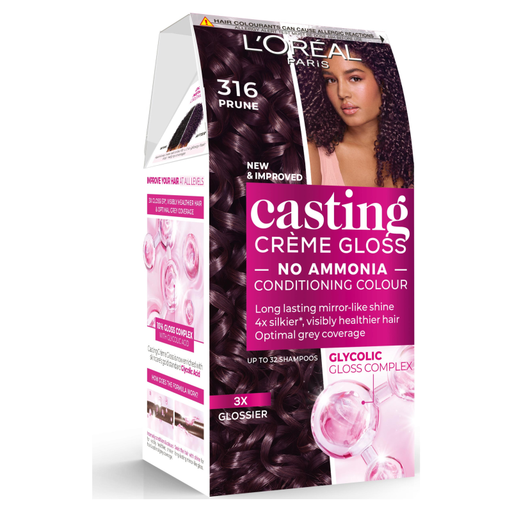
Why This Fits Their Persona: A lower-commitment choice for shoppers who want to add a plum-brown tone at home without selecting a permanent formula.
Its semi-permanent format makes the commitment clearer, while the non-drip crème helps with controlled home application.
Ammonia-free formula; Royal Jelly conditioner included; stated to resist fading for up to 28 shampoos.
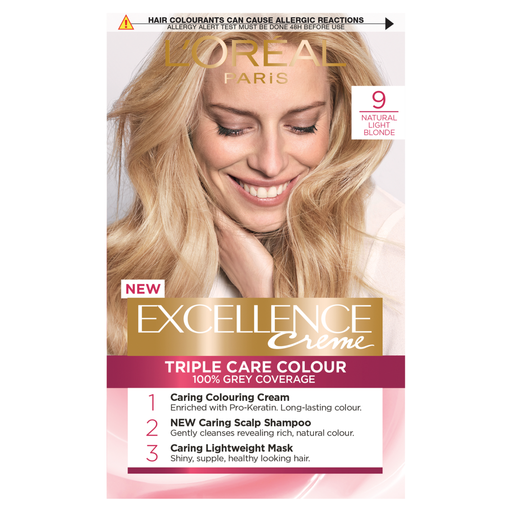
Why This Fits Their Persona: A complete permanent colouring routine for shoppers who value included after-colour care alongside a light blonde shade.
The kit provides separate instructions for different starting bases, helping reduce guesswork before application.
Includes colouring cream, developer, post-colour shampoo and nourishing mask; designed for permanent colour.
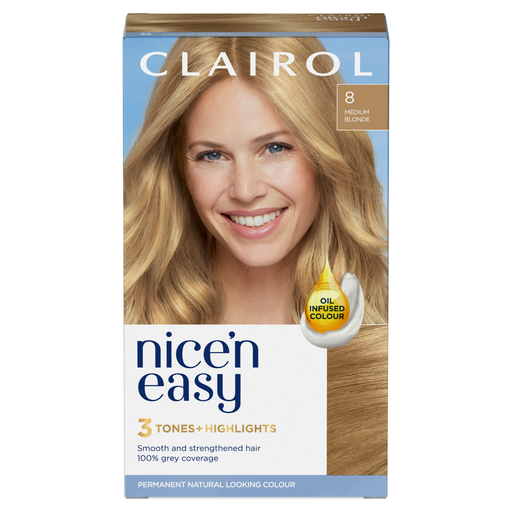
Why This Fits Their Persona: Suitable for shoppers seeking permanent medium blonde colour with a multi-tone finish and regular grey coverage at home.
The listed shade and permanent format make the level and commitment clear, while the instructions prioritise roots and stubborn greys.
Oil-infused formula; three tones and highlights; product information states up to 100% grey coverage and up to 28 washes.
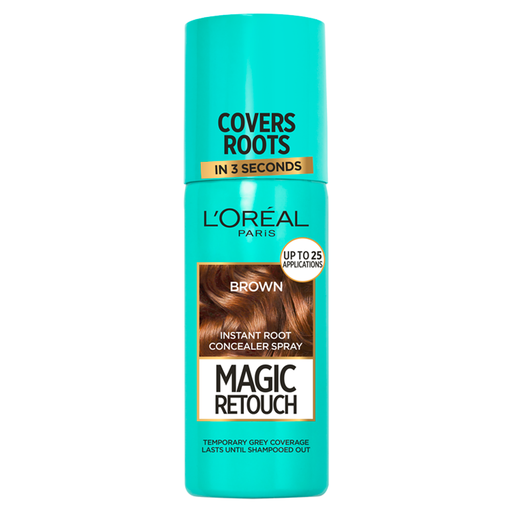
Why This Fits Their Persona: Designed for quick brown root coverage before work, travel or an event, without recolouring the full head.
It is clearly a temporary spray that washes out with shampoo, so it does not create confusion about permanent colour commitment.
75ml handbag-friendly size; pinpoint micro-diffuser; apply from 10–15cm and allow one minute to dry.
We have compiled a complete, real-time list of products that fully satisfy these strict selection criteria and UK safety regulations.
Longevity varies with the formula, washing routine, heat styling and hair condition. The products above state durations ranging from up to 28 washes to around six weeks. Permanent colour does not stop new roots growing, so visible regrowth may appear before the lengths have faded.
It can blend some first greys, but coverage depends on the product and the amount of grey. For widespread or resistant grey hair, check whether the manufacturer specifically lists grey coverage and follow the recommended processing time.
A temporary spray can be used for short-term coverage when applied as directed, but it must be kept away from the eyes and irritated skin. Aerosol products are extremely flammable, so avoid flames, heat and smoking during use.