
24/7 Customer Support

Free returns

Same-day & Next-day Delivery

Quality Guaranteed

Unlock Your Welcome Offers: FREE Delivery | Up to 80% OFF | Free 30-day JoyPlus trial
Download the APP
Choosing hair dye online can look straightforward until you compare permanent colour, semi-permanent formulas, blonde lightening products and different developer strengths. A shade shown on the box may not look the same on your existing hair, while claims about long-lasting colour or conditioning can distract from the specifications that affect your result.
This guide explains the main buying pitfalls and matches several at-home hair colouring options to different needs, from grey coverage to auburn colour and blonde lightening.
Hair dye works with your starting colour. A brown shade applied to light hair may look more intense than it does on medium brown hair, while a blonde shade may not lift previously coloured dark hair as expected. Check the product’s shade guide and compare it with your current, uncoloured root and lengths.
A permanent colour can generally alter natural pigment, but applying a lighter dye over existing dark permanent dye does not necessarily create a lighter result. Blonde hair dye and high-lift products require particular care when the starting colour is dark.
Permanent hair dye uses an oxidising developer and is intended to provide lasting colour, although roots will show as hair grows and the lengths may fade. Semi-permanent hair dye deposits colour with less commitment and gradually fades through washing. It can be suitable for refreshing tone or trying a deeper shade, but it is not designed to provide the same type of permanent grey coverage.
Look for specific wording such as “up to 28 washes” or “up to six weeks” as a product guide, rather than treating these periods as guaranteed results. Washing frequency, hair porosity, heat styling and the original shade all affect how long colour remains visible.
Peroxide strength is not simply a measure of how “good” a product is. A 40 volume (12%) lightening peroxide is a high-strength option intended for use with compatible bleach powder. It is different from the developer included in a standard home hair colour kit.
Using incompatible products, exceeding the development time or applying bleach to unsuitable hair can lead to an uneven result and unwanted dryness or breakage. Always check whether the peroxide is designed for use with a particular powder bleach and follow the supplied instructions.
Choose a permanent formula when you want a lasting change, root coverage or a shade that does not wash out quickly. Clairol and L’Oréal permanent kits commonly include colour cream, developer and a post-colour conditioner or treatment.
Choose an ammonia-free hair colour such as L’Oréal Casting Creme Gloss when you want a semi-permanent result with a gradual fade. It is designed for dark brown to black hair in the listed Plum Brown shade and can blend away first greys, but it should not be treated as a substitute for full permanent grey coverage.
For resistant greys, check that the product specifically states grey coverage and apply the colour to roots first. Dark brown, light blonde and auburn shades can produce different levels of contrast against new growth, so consider how often you are prepared to retouch.
A shade number is also useful. For example, 4 indicates a dark brown family in the listed Clairol range, while 6R identifies an auburn shade. Always rely on the packaging shade chart, as numbering conventions can vary between brands.
A standard permanent kit is generally intended for colour change within its recommended shade range. For significant lightening, look for a dedicated hair bleach peroxide product and compatible powder bleach.
Jerome Russell Bblonde Maximum Cream Peroxide is a 40 vol (12%) cream peroxide designed to be mixed with Bblonde Powder Bleach. The listing states that it can lift natural light to dark brown hair by up to 8–9 shades, but it is not suitable for previously bleached, permed, henna-treated or metallic-dye-treated hair. It is a single-use product, and unused mixed product should be discarded.
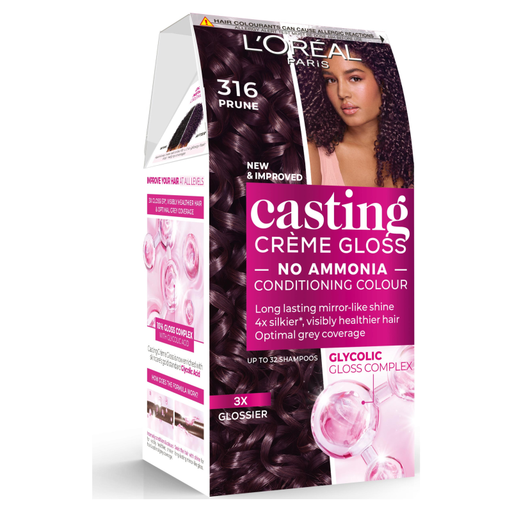
Why This Fits Their Persona: A practical option for shoppers wanting to try a glossy plum-brown tone without committing to permanent colour.
Its semi-permanent format makes the expected fade more apparent than a permanent colour marketed as “long-lasting”.
Ammonia-free formula, non-drip crème and colour that is listed as lasting up to 28 shampoos.
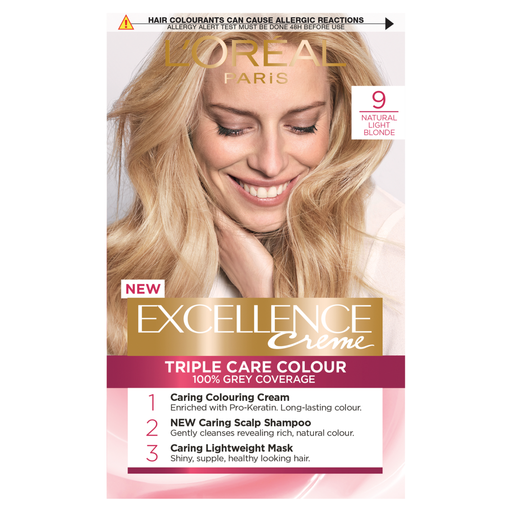
Why This Fits Their Persona: Suits shoppers seeking a complete blonde colouring routine with colour, post-colour shampoo and mask included.
The instructions distinguish between first-time use, lightened hair and a light blonde base, helping you avoid applying one method to every starting shade.
Permanent natural light blonde shade, stated up to 100% grey coverage and a three-step care system.
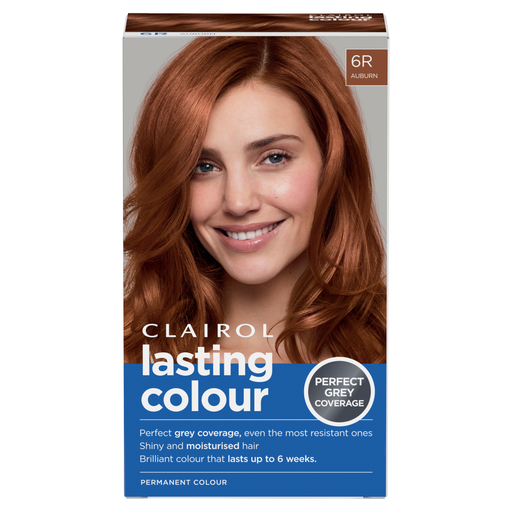
Why This Fits Their Persona: Designed for shoppers specifically looking for a permanent auburn shade and coverage during regular at-home root maintenance.
The 6R shade code makes the intended colour family clear, while the kit lists colour cream, developer and conditioner together.
Permanent auburn colour, stated grey coverage and an included Colourlast Conditioner.
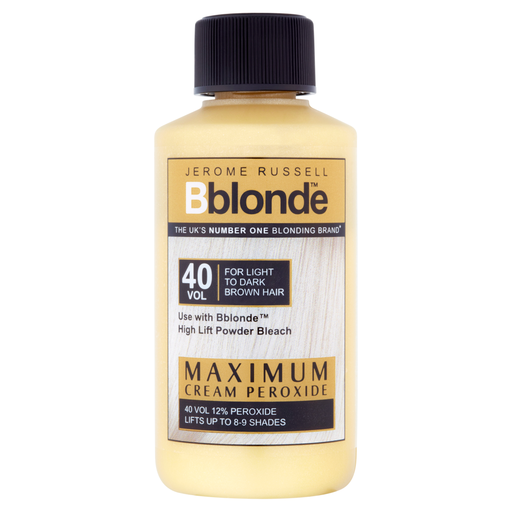
Why This Fits Their Persona: For experienced at-home lightening users who need a high-volume peroxide for compatible Bblonde powder bleach.
The 40 vol (12%) specification and compatible powder requirement are clearly stated, reducing the risk of confusing it with ordinary dye developer.
Cream texture for mixing and a listed lifting range of up to 8–9 shades on suitable natural hair.
We have compiled a complete, real-time list of products that fully satisfy these strict selection criteria and UK safety regulations.
Permanent colour remains in the treated hair, but visible vibrancy can fade through washing and exposure to heat. Root regrowth usually becomes noticeable within several weeks. Product descriptions may state periods such as up to 28 washes or six weeks; actual results depend on hair condition, washing routine and shade.
Usually, a lighter dye will not reliably lift existing permanent colour. A compatible lightening system may be required, but bleach and peroxide need careful selection. Check the instructions and avoid high-volume products if your hair is previously bleached, permed, henna-treated or otherwise excluded by the warning label.
Semi-permanent colour can blend or soften the appearance of first greys, depending on the product and starting hair. For more consistent coverage of resistant grey hair, choose a permanent kit that specifically states grey coverage and follow its root-first application instructions.