
24/7 Customer Support

Free returns

Same-day & Next-day Delivery

Quality Guaranteed

Unlock Your Welcome Offers: FREE Delivery | Up to 80% OFF | Free 30-day JoyPlus trial
Download the APP
Hair thinning, increased shedding and breakage can make shopping for hair growth products confusing. Shelves are filled with anti-hair loss shampoo, hair growth serum, scalp tonics and biotin supplements, yet product claims do not always explain what a formula can realistically do.
Before spending money, look beyond phrases such as “growth boosting” or “thicker hair”. A shampoo may improve the feel and appearance of fine strands without changing the hair-growth cycle, while a scalp treatment may focus mainly on hydration and comfort. The right choice depends on whether your priority is scalp condition, visible volume, breakage reduction or nutritional support.
A hair thickening shampoo can coat or condition the hair fibre, helping it feel more substantial after washing. That is different from changing the rate at which hair grows. Look for clear information about whether the product is designed for cosmetic volume, hair-fibre care or leave-in scalp application.
More biotin, caffeine or botanical extracts does not automatically mean a product is more suitable. High-strength dietary supplements may be unnecessary if your diet already supplies adequate nutrients. Topical formulas containing fragrance, alcohol, menthol or exfoliating acids may also feel uncomfortable on a sensitive scalp.
Many products for thinning hair require consistent use. A scalp serum applied once and forgotten is unlikely to become a useful routine. Check whether the product needs daily application, rinsing, massage or use alongside a conditioner. Also calculate how long the bottle or pack is likely to last before comparing prices.
Persistent or sudden hair loss, bald patches, scalp lesions or severe irritation should be discussed with a GP or pharmacist. Cosmetic products and food supplements should not replace medical advice.
Choose according to the problem you are trying to address:
A leave-in product should state clearly whether it can be used on wet or dry hair, how much to apply and whether it requires rinsing.
For a dry or uncomfortable scalp, ingredients such as glycerin, panthenol, betaine, aloe and sodium hyaluronate may support a moisturised feel. For products intended to improve the look of fine hair, proteins, conditioning agents and volumising ingredients can be more relevant than a long list of extracts.
If your scalp is reactive, check the label for fragrance, alcohol denat., menthol, essential oils and salicylic acid. These ingredients are not automatically unsuitable, but they may not be comfortable for everyone. Always follow the packaging directions and stop use if irritation develops.
Biotin supplements for hair are widely available, including vegan hair growth supplements and hair, skin and nails formulas. Check the amount per serving rather than relying on phrases such as “high strength”. The products below contain substantially more biotin than the UK nutrient reference value, so do not combine several high-dose products without professional advice.
Read the full label if you are pregnant, breastfeeding, taking medicines, under medical supervision or preparing for surgery. Supplements should be used at the stated dose and alongside a balanced diet.
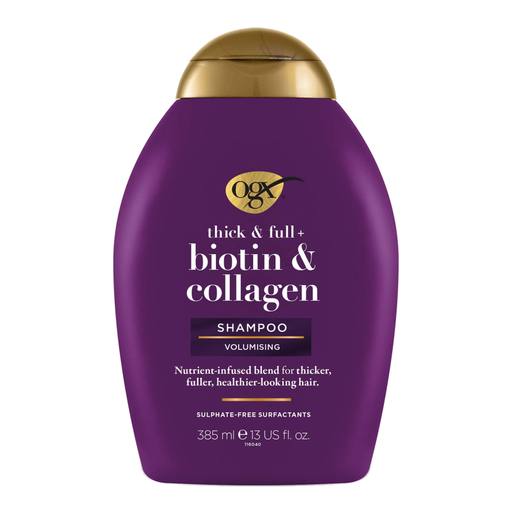
Why This Fits Their Persona: A straightforward wash-day option for people who want more body from fine or flat hair without adding a separate leave-in step.
It is positioned around volume and fuller-feeling hair rather than making a medical hair-loss claim. The 385ml size also makes it practical for regular washing.
Contains biotin, collagen and hydrolysed wheat protein; uses sulphate-free surfactants and is paraben-free according to the listing.
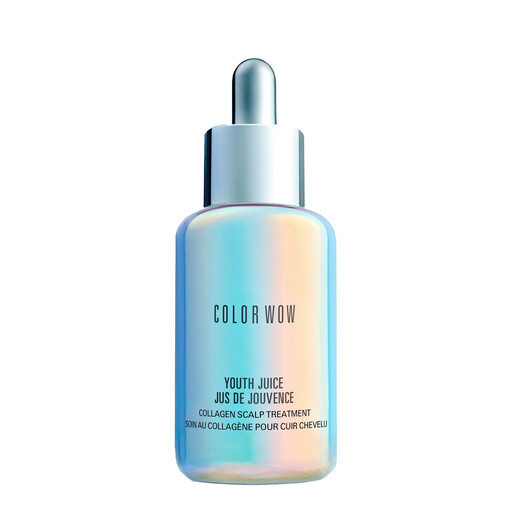
Why This Fits Their Persona: Suits shoppers prioritising scalp hydration and a light, non-greasy texture, including those with colour-treated hair.
The use case is clear: apply directly to the scalp and leave in. It does not present itself as a replacement for diagnosis or prescribed hair loss treatment.
Includes glycerin, niacinamide, caffeine, panthenol and sodium hyaluronate; the formula is described as fast-absorbing and suitable for all scalp types.
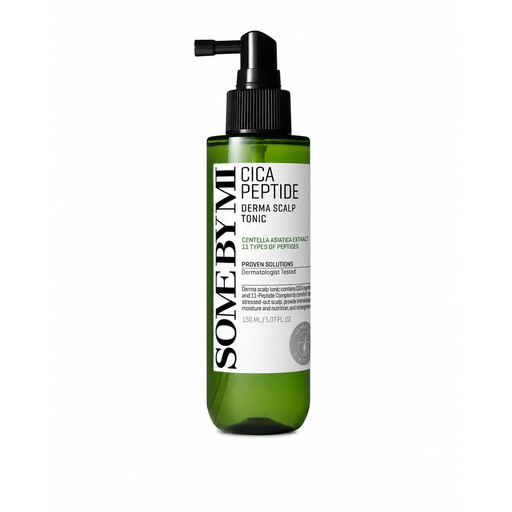
Why This Fits Their Persona: Designed for shoppers managing an oily, build-up-prone or uncomfortable scalp who prefer a targeted spray format.
Its directions specify parting the hair, spraying the scalp and massaging without rinsing. Users should patch-test carefully because it contains alcohol denat., menthol and salicylic acid.
Features a directional spray, peptide complex, biotin, cica extracts and salicylic acid for scalp-focused care.
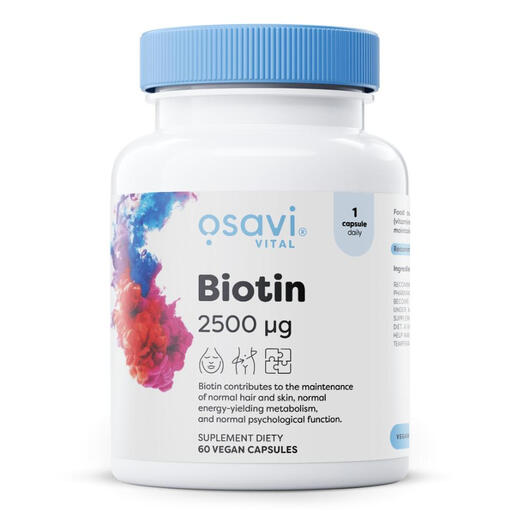
Why This Fits Their Persona: A once-daily vegan option for adults who want a clearly defined supplement without a lengthy blend of ingredients.
The label identifies one capsule per day and lists the biotin amount, making it easier to avoid accidentally doubling up with another supplement.
Provides 2,500 micrograms of D-biotin per capsule and uses a vegan capsule shell; the listing also identifies it as gluten-, lactose- and soy-free.
We have compiled a complete, real-time list of products that fully satisfy these strict selection criteria and UK safety regulations.
Shampoo mainly cleanses the scalp and hair. A formula may help reduce the appearance of breakage or improve volume, but it should not be assumed to stop every type of hair loss. Choose an anti-hair loss shampoo according to its ingredients, scalp compatibility and realistic cosmetic purpose.
This depends on the bottle size, dose and frequency. Follow the stated application instructions rather than applying more product in the hope of faster results. Daily use can make a small bottle run out quickly, so compare the expected duration as well as the price.
No. High-dose biotin products are not automatically necessary and may not suit people taking certain medicines or managing medical conditions. Check the label, avoid combining multiple biotin supplements and ask a pharmacist or GP for advice when unsure.