
24/7 Customer Support

Free returns

Same-day & Next-day Delivery

Quality Guaranteed

Unlock Your Welcome Offers: FREE Delivery | Up to 80% OFF | Free 30-day JoyPlus trial
Download the APP
Dealing with dry, damaged hair can be a frustrating cycle. You buy a promising new treatment, hope for a transformation and are often left with the same brittle, frizzy strands you started with. As a Joybuy Product Recommendation Officer, my role is to help you navigate the crowded market and understand what truly makes a hair mask effective, so you can invest in a product that delivers noticeable results for your hair.
Before you add another tub to your basket, let’s look at the common pitfalls that lead to disappointing purchases and wasted money.
To avoid these traps, focus on a few core parameters. Understanding these will empower you to select a product based on its formulation, not just its marketing.
The order of ingredients on the label is your most reliable guide. Ingredients are listed in descending order of concentration. For a deep conditioning treatment to be effective, the key active ingredients should appear high up on the list, typically within the first five to seven ingredients after water (Aqua).
The texture of the mask matters. A thick, heavy cream might feel luxurious, but it can easily overwhelm fine hair, leaving it flat and greasy.
Many modern formulas are designed to be lightweight yet potent, offering deep nourishment without the weigh-down, making them suitable for a wider range of hair types.
Instead of a one-size-fits-all approach, the right mask depends on your hair's specific condition, your routine and your budget. Here are a few recommendations matched to different user profiles.
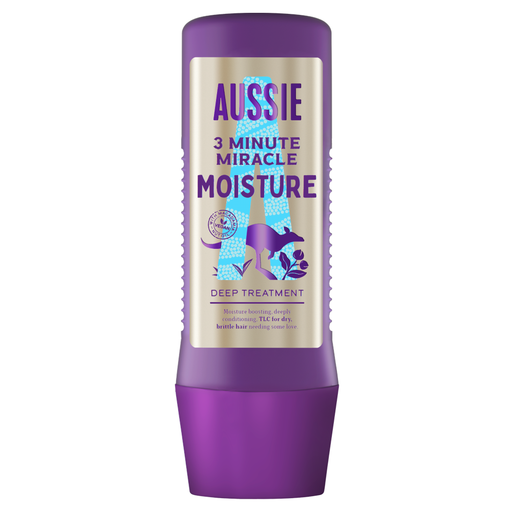
Why This Fits Their Persona: This is an accessible and affordable choice for someone needing a reliable hydration boost without a hefty price tag. Its multi-use nature—as a quick 3-minute treatment, a daily deep conditioner or an intensive mask—offers excellent value and flexibility for a busy lifestyle.
It avoids the "miracle ingredient" trap by focusing on a well-known, effective hydrator, Macadamia Nut Oil and delivering noticeable moisture. It clearly states its purpose is hydration, avoiding confusion between moisturising and structural repair.
The versatile 3-in-1 formula provides great value. It's also a vegan hair mask, catering to ethical considerations without a premium cost.
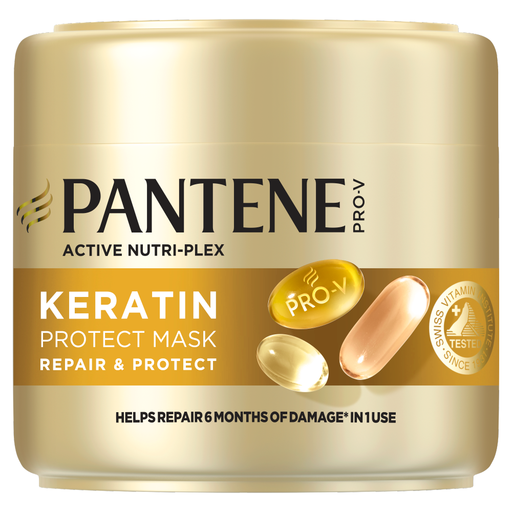
Why This Fits Their Persona: For those whose hair is showing signs of breakage and weakness from frequent heat styling or chemical treatments, this mask is formulated specifically for repair. It's an intensive treatment designed to address structural damage, not just surface-level dryness.
This mask directly tackles the "hydration vs. repair" confusion. Its formula, with Active Nutri-Plex technology and bond-protecting agents, is explicitly aimed at strengthening and fortifying hair against styling damage, going beyond a simple moisture boost.
It focuses on repairing existing damage and strengthening hair to prevent future breakage. According to the brand, it is clinically proven to help repair 6 months of damage in one use.
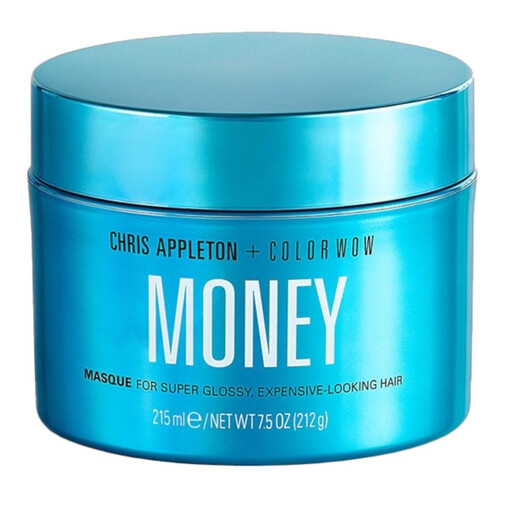
Why This Fits Their Persona: This user invests in their hair colour and wants a high-performance treatment that revives hair without weighing it down or dulling their shade. They seek a luxurious, salon-like experience at home that delivers visible shine and softness.
It sidesteps the "heavy silicone" trap by offering a weightless formula. It provides deep hydration and repair with ingredients like Hydrolysed Keratin, but rinses clean, leaving hair feeling supple and bouncy, not coated or heavy.
It is suitable for all hair types, including fine and colour-treated hair. The formula penetrates to hydrate and strengthen without leaving residue, improving texture and adding shine.
We have compiled a complete, real-time list of products that fully satisfy these strict selection criteria and UK safety regulations.
For most deep conditioning treatments, using them once a week is a great starting point. If your hair is extremely dry or damaged, you might benefit from using it twice a week initially. Conversely, if you have fine hair that's prone to getting weighed down, you might find that once every two weeks is sufficient. Pay attention to how your hair responds and adjust accordingly.
While it might seem like a good idea for an extra-intensive treatment, it's generally not necessary and can sometimes be counterproductive. Most masks are formulated to deliver their maximum benefits within the recommended time (usually 3-15 minutes). Leaving a mask on overnight, especially one with a high protein content, can sometimes make hair feel stiff or brittle. It's best to stick to the manufacturer's instructions.
The terms are often used interchangeably, but generally, a hair mask is considered a more potent and concentrated treatment than a standard daily or "deep" conditioner. Masks typically contain a higher percentage of active ingredients and are designed for weekly use to target specific concerns like severe dryness, damage or frizz. A deep conditioner may be slightly less intensive and could be used more frequently.