
24/7 Customer Support

Free returns

Same-day & Next-day Delivery

Quality Guaranteed

Unlock Your Welcome Offers: FREE Delivery | Up to 80% OFF | Free 30-day JoyPlus trial
Download the APP
Dealing with dry, damaged or frizzy hair can be a constant battle, especially with the UK's unpredictable weather and often hard water. You invest in a promising new hair treatment, hoping for silky, hydrated locks, only to be left with hair that feels heavy, greasy or no different than before.
As a Joybuy Product Recommendation Officer, my role is to help you navigate the crowded market of hair care. Many of us have fallen into common purchasing traps. Let's look at a few pitfalls to avoid when searching for an effective hair mask for dry damaged hair.
Instead of focusing on marketing hype, let's break down the core parameters that determine a product's effectiveness. Understanding these will help you select a hydrating hair mask or deep conditioner for dry hair that truly meets your needs.
The ingredients list is your most reliable guide. Look for these components high up on the list:
Not all treatments are created equal. Choosing the right format for your lifestyle and hair needs is key.
To help you make a more informed choice, we've matched some products to common user needs, explaining how they address the pitfalls and what makes them a suitable option.
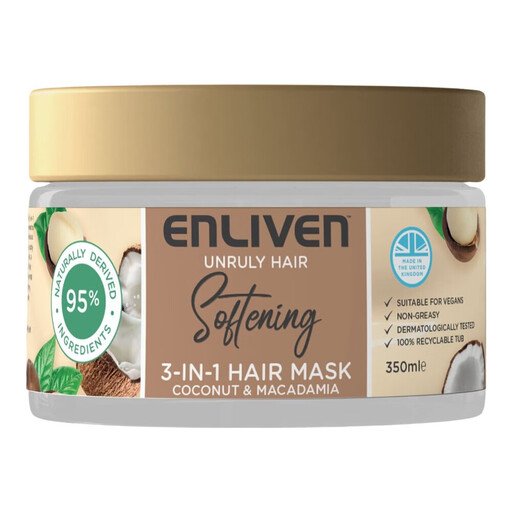
Why This Fits Their Persona: This is an excellent choice for someone who needs a regular moisture boost without a hefty price tag. It's a straightforward, effective mask for maintaining hair health, making it ideal for students or families.
It avoids the "miracle ingredient" myth by focusing on the well-known hydrating properties of coconut extract. The formula is simple and functional, delivering moisture without over-promising.
The generous 350ml tub offers great value for money. It is also dermatologically tested and suitable for vegans.
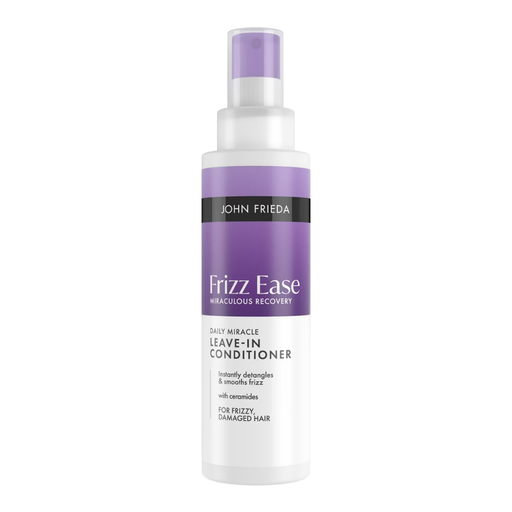
Why This Fits Their Persona: For those with a busy schedule, a no-rinse product is a game-changer. This leave-in conditioner tames frizz, provides heat protection and nourishes hair without adding an extra 10 minutes to your morning routine.
It directly counters the "silicone illusion" trap. As a lightweight leave-in formula, it is designed to be absorbed without creating the heavy build-up associated with some rinse-out masks.
It offers heat protection up to 230°C, making it a practical, multi-functional product for anyone who regularly uses styling tools. It also provides humidity resistance.
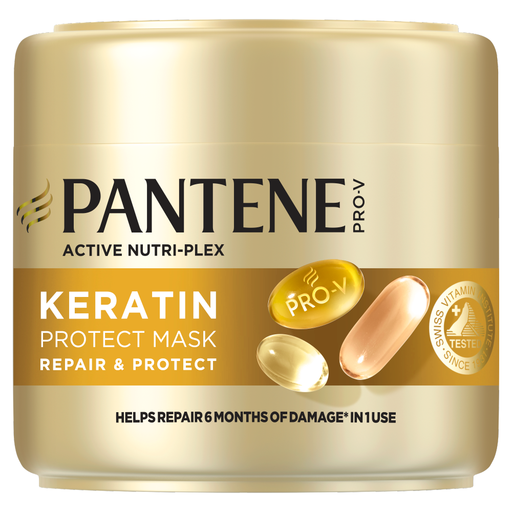
Why This Fits Their Persona: If your hair is showing signs of damage from colouring, bleaching or frequent heat styling, you need a treatment focused on structural repair. This mask is formulated specifically to address this kind of damage.
This formula goes beyond superficial smoothing. It addresses the "one-size-fits-all" fallacy by specifically targeting damaged hair with ingredients aimed at repair, rather than just general conditioning.
According to the brand, its formula contains Active Nutri-Plex technology with 50% more bond-protecting agents to nourish and strengthen hair against styling damage.
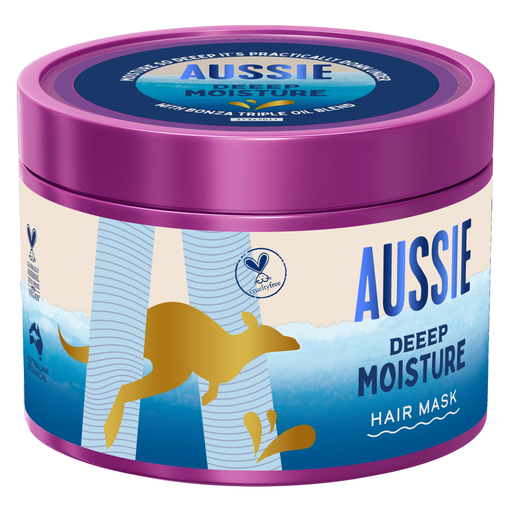
Why This Fits Their Persona: For consumers who prioritise ethical and ingredient-conscious choices, this mask is a strong contender. It is PETA-certified cruelty-free, has a vegan formula and is made with 93% natural origin ingredients.
It relies on a blend of well-regarded natural oils (Jojoba, Avocado and Macadamia Nut) rather than synthetic fillers or over-hyped, trace ingredients, offering transparency to the ingredient-savvy user.
Its multi-use formula offers great flexibility; it can be used as a quick 3-minute treatment, a daily deep conditioner or a more intensive leave-in mask, adapting to your hair's needs.
We have compiled a complete, real-time list of products that fully satisfy these strict selection criteria and UK safety regulations.
For most people with dry or damaged hair, using a mask once or twice a week is sufficient. If your hair is very fine, once a week or even every two weeks might be enough to avoid weighing it down. For severely damaged or very coarse, curly hair, you might benefit from using a mask more frequently in place of your regular conditioner.
Yes, many hair masks are excellent for colour-treated hair as they help to replenish moisture lost during the chemical process. To be safe, look for products explicitly labelled "colour-safe" or a conditioner for colour-treated hair. These formulas are designed to be gentle and help seal the hair cuticle, which can prolong the life of your colour.
A regular conditioner is designed for daily use. Its primary function is to smooth the outer layer of the hair (the cuticle), reduce friction and make it easier to detangle after washing. A hair treatment for damaged hair, or mask, is a more intensive product. It contains a higher concentration of repairing and moisturising ingredients that are meant to be left on the hair for a longer period to penetrate more deeply and provide more significant, lasting benefits.