
24/7 Customer Support

Free returns

Same-day & Next-day Delivery

Quality Guaranteed

Unlock Your Welcome Offers: FREE Delivery | Up to 80% OFF | Free 30-day JoyPlus trial
Download the APP
Dealing with dry, damaged or frizzy hair can be a constant battle. Whether it's from colouring, heat styling or just the unpredictable British weather, finding a solution that actually works can feel overwhelming. The market is flooded with products promising miraculous transformations, but many fall short, leaving you with the same hair concerns and a lighter wallet.
As a Joybuy Product Recommendation Officer, my role is to help you cut through the clutter. We'll look past the marketing hype and focus on what truly matters. Before you invest in another tub that ends up gathering dust, let's break down the common pitfalls and what to look for in an effective hair mask for dry damaged hair.
Many of us have been tempted by impressive claims, only to be disappointed by the results. Here are two of the most common traps that UK consumers encounter:
To make an informed choice, focus on the formulation and how it matches your specific hair needs. Here are the key parameters to analyse.
Understanding the core ingredients is crucial for finding the right hair repair treatment. Products generally focus on either hydration (moisture) or strengthening (protein).
The texture and condition of your hair dictate the type of mask you need.
Instead of a generic list, we've matched specific products to different user needs, helping you find a formula that addresses your hair's unique challenges.
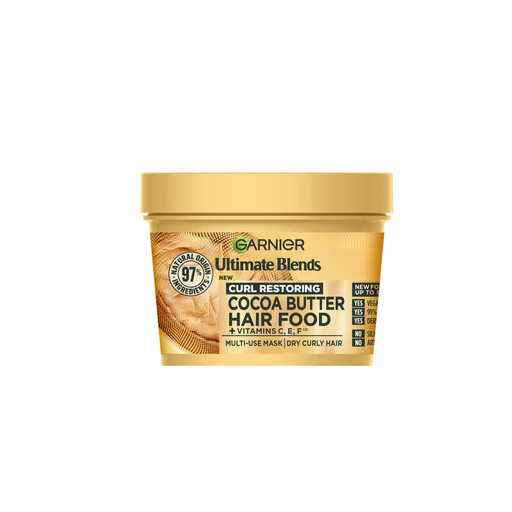
Why This Fits Their Persona: This mask offers excellent value with its large 400ml tub and multi-use design. It's perfect for someone in the UK wanting an effective, affordable and versatile treatment for dry, curly hair without committing to a high-end price tag.
It sidesteps the "silicone illusion" by being formulated without silicones, offering a natural feel. It also avoids the "one-size-fits-all" trap by being specifically targeted at dry, curly hair types.
Its 3-in-1 functionality as a conditioner, mask or leave-in treatment provides great versatility. The formula is 100% vegan and made with 97% natural origin ingredients.
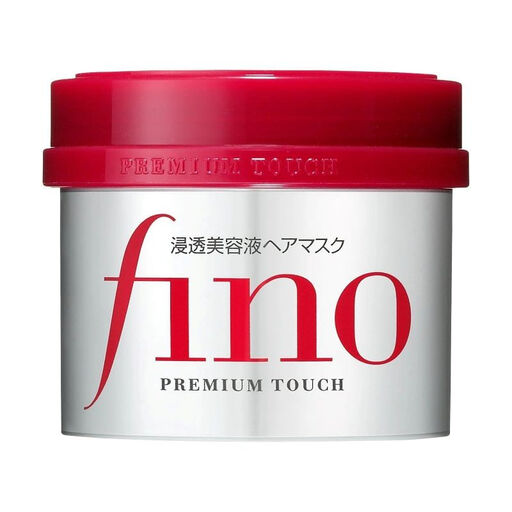
Why This Fits Their Persona: This mask is designed for intensive care on hair damaged by dyeing, perming and UV exposure. It's a focused treatment for those who put their hair through regular chemical processes and need a dedicated repair solution.
By clearly stating its purpose for chemically damaged hair, it avoids the "one-size-fits-all" trap. Its focus is on repairing the hair cuticle and locking in moisture, rather than just providing a surface-level cosmetic effect.
It contains six types of beauty serum ingredients, including Royal Jelly Extract and Squalane, that penetrate deeply to revitalise lifeless hair and smooth rough cuticles without a heavy or greasy feeling.
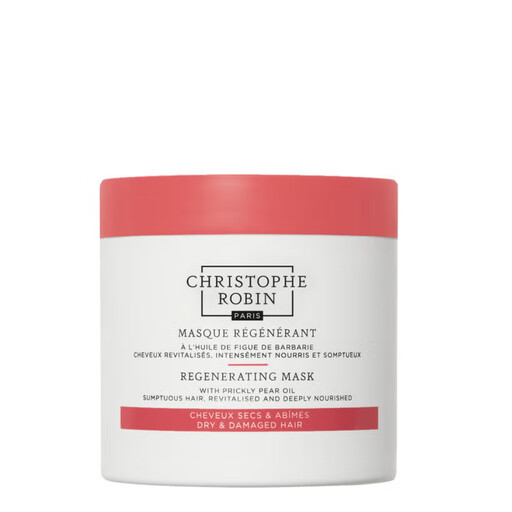
Why This Fits Their Persona: For those who prioritise clean, high-quality formulations and are willing to invest in a premium product. This mask is ideal for the discerning UK consumer looking for a luxurious, salon-quality treatment at home.
This mask is explicitly formulated without silicones, parabens or SLES, directly countering the "silicone illusion" trap. Its claims focus on regeneration and nourishment rather than an unrealistic instant fix.
It contains 97% natural-origin ingredients, with prickly pear oil as a key component for deep nourishment. The concentrated formula strengthens hair, repairs split ends and enhances colour vibrancy.
We have compiled a complete, real-time list of products that fully satisfy these strict selection criteria and UK safety regulations.
For most people, using an intensive hair mask once or twice a week is sufficient. If your hair is extremely dry or damaged, you might start with twice a week and then reduce to once a week as its condition improves. Listen to your hair—if it starts to feel weighed down or greasy, you may be over-conditioning.
This depends entirely on the product's formulation. Always follow the directions on the packaging. Most masks are designed to work within 3-15 minutes. Leaving a mask on for too long, especially a keratin hair mask or protein-heavy treatment, can sometimes make hair feel brittle. For overnight treatments, look for products specifically designed for that purpose.
The terms are often used interchangeably in marketing, but there can be a difference. A hair mask is typically a more concentrated hair repair treatment with a higher level of active ingredients, intended for weekly use. A deep conditioning treatment might be slightly lighter and could be used in place of your regular conditioner when your hair needs an extra boost of moisture.