
24/7 Customer Support

Free returns

Same-day & Next-day Delivery

Quality Guaranteed

Unlock Your Welcome Offers: FREE Delivery | Up to 80% OFF | Free 30-day JoyPlus trial
Download the APP
From heat styling to colouring and even the unpredictable British weather, our hair goes through a lot. When it starts to feel dry, brittle or frizzy, reaching for a hair mask for dry damaged hair seems like the obvious solution. Yet, many of us have felt the disappointment of investing in a promising tub, only to find it leaves our hair feeling heavy, greasy or no different at all.
As the Joybuy Product Recommendation Officer, my role is to help you navigate the crowded shelves and avoid common purchasing pitfalls. Before you spend another pound, let's look at the frequent traps that catch out UK shoppers.
To make a smart choice, you need to look beyond the marketing claims on the front of the jar. Here are the key parameters to check.
An effective deep conditioning hair treatment works by delivering a combination of ingredients that serve different functions. Don't just look for one hero ingredient; look for a thoughtful blend.
Understanding your hair's specific needs is crucial.
Based on these practical criteria, here are a few options from our catalogue, matched to different user needs and lifestyles.
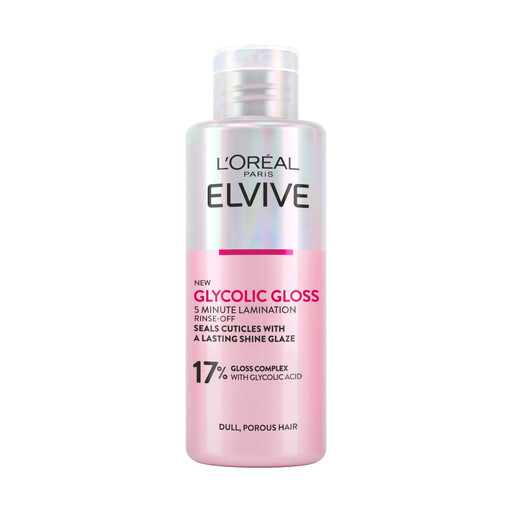
Why This Fits Their Persona: For those with a packed schedule, a 20-minute treatment is a luxury. This 5-minute mask is designed for speed and efficiency, delivering a noticeable boost in shine and smoothness that fits into the busiest of morning routines.
Its performance is based on a 17% Glycolic Acid Gloss Complex that works at a specific pH to seal the hair cuticle. This is a targeted chemical action, not a vague "miracle oil" claim or a heavy silicone coating.
Very fast-acting formula for visible shine. Suitable for all hair types, including colour-treated hair, as it helps to seal the cuticle.
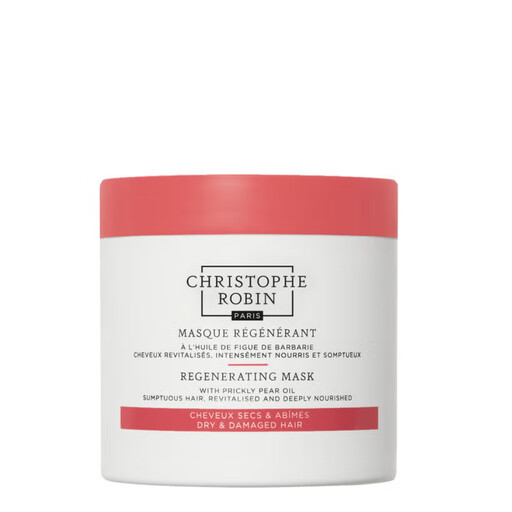
Why This Fits Their Persona: For those who prioritise high-quality, natural-origin ingredients and are willing to invest in a premium treatment. This mask is ideal for someone with very dry, damaged or chemically treated hair seeking intensive regeneration.
It is explicitly formulated without silicones, parabens or SLES, directly countering the heavy build-up trap. Its efficacy comes from a concentrated blend of prickly pear oil and other plant extracts, not a single gimmick.
A highly concentrated formula with 97% natural-origin ingredients that deeply nourishes and helps mend visible split ends. It enhances colour vibrancy, making it an excellent **intensive hair treatment for damaged hair**.
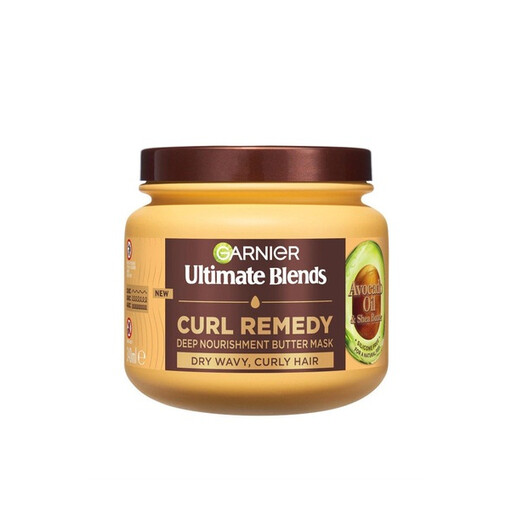
Why This Fits Their Persona: Perfect for students or anyone on a budget who needs an effective, nourishing treatment for dry, wavy or curly hair. It offers a generous amount of product at an accessible price point.
This mask is silicone-free, relying on a proven combination of Avocado Oil and Shea Butter to provide deep nourishment rather than a temporary silicone coating. It addresses the moisture needs of curly hair directly.
Specifically designed for wavy, curly and coily hair. The formula is 97% natural origin and vegan, offering great value and targeted care.
We have compiled a complete, real-time list of products that fully satisfy these strict selection criteria and UK safety regulations.
A regular conditioner is designed for frequent use to smooth the hair's outer layer and provide basic detangling after shampooing. A hair mask is an intensive hair treatment for damaged hair with a higher concentration of nourishing and repairing ingredients. It's designed to be left on for longer (typically 3-20 minutes) to allow these ingredients to penetrate more deeply into the hair shaft to provide moisture and repair.
For most people with dry or damaged hair, using a hair mask once a week is a good starting point. If your hair is severely damaged from bleaching or heat, you might benefit from using it twice a week initially. Conversely, if you have fine hair that's prone to being weighed down, you might find that once every two weeks is sufficient. Listen to your hair; if it starts to feel heavy or overly soft, reduce the frequency.
While it might seem like a good idea, it's generally not necessary and can sometimes be counterproductive. Most masks are formulated to deliver their maximum benefit within the time stated on the packaging (usually under 30 minutes). Leaving a moisture-heavy mask on for too long, especially on fine or porous hair, can lead to "hygral fatigue," where the hair shaft swells excessively with water, causing it to become weak and stretchy. For protein-based masks, leaving them on too long can deposit too much protein, leading to stiffness and brittleness. It's best to stick to the manufacturer's instructions.