
24/7 Customer Support

Free returns

Same-day & Next-day Delivery

Quality Guaranteed

Unlock Your Welcome Offers: FREE Delivery | Up to 80% OFF | Free 30-day JoyPlus trial
Download the APP
Hair masks can make wash day feel more effective, but choosing the wrong formula may leave hair greasy, weighed down or just as difficult to manage. UK shoppers also need to look beyond phrases such as “intensive”, “natural” and “repairing”. These terms can describe a product’s positioning without telling you whether it suits your hair type or routine.
A sensible choice starts with the condition you want to address, the ingredients you are comfortable using and how much time you realistically have for treatment.
A repairing hair mask can improve the feel, appearance and manageability of dry or processed hair, but it cannot permanently reverse split ends or restore hair that has broken off. Conditioning agents, oils, proteins and silicones can make strands feel smoother and easier to comb, while regular trimming remains relevant for visible split ends.
Look for a formula that matches the issue:
A high percentage of natural-origin ingredients does not automatically mean a product is fragrance-free, allergen-free or suitable for every scalp. Plant oils and extracts may still be rich for fine hair, and fragranced formulas may not suit sensitive users.
Check the full INCI ingredient list on the packaging before use. In the UK, fragrance allergens may be listed separately, including ingredients such as linalool, limonene and coumarin. If you have a known sensitivity, follow the manufacturer’s guidance and consider a small patch test on the skin before applying a new product widely.
A traditional deep conditioning hair mask is usually applied after shampooing, left for a few minutes and rinsed thoroughly. A leave-in hair mask or multi-use formula is designed for a small amount to remain on the lengths and ends.
Using too much of a rinse-out formula as a leave-in can create build-up, limpness or a coated feeling. Always follow the directions for the specific product rather than assuming all hair masks work in the same way.
Fine or straight hair often benefits from a lightweight moisturising hair mask used once a week. Thick, coarse, curly or tightly coiled hair may tolerate a richer formula containing shea butter, coconut oil, jojoba oil or macadamia oil.
If your hair is colour-treated, bleached or chemically processed, consider a colour-treated hair mask that focuses on conditioning and surface smoothing. A colour-protecting label does not replace sensible heat protection, gentle detangling and protection from prolonged sun exposure.
A three-minute formula may suit busy routines, while an intensive hair treatment requiring five to ten minutes may be more practical on a weekly wash day. Multi-use tubs can offer flexibility as a conditioner, rinse-out mask or leave-in treatment, but the leave-in option should be used sparingly.
Also compare the net content. A 400ml tub may offer more applications than a 125ml or 150ml treatment, but the value depends on how much your hair needs per use.
Silicones such as dimethicone or amodimethicone can improve slip, shine and detangling. They are not inherently unsuitable, although some shoppers prefer silicone-free products or find that occasional clarifying helps manage build-up.
Protein-containing formulas may appeal to users with fragile, chemically treated hair. However, hair that feels stiff or straw-like after repeated protein use may respond better to a moisturising formula. Fragrance is another personal choice, particularly for those who prefer a low-scent routine.
Look for the UK Responsible Person details, batch information, safety warnings and period-after-opening symbol on the packaging. These practical checks are more useful than relying on vague promotional wording.
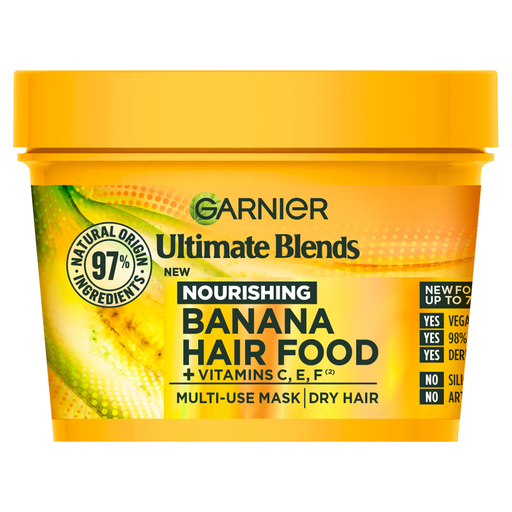
Why This Fits Their Persona: A 400ml tub and three application methods suit shoppers building a simple routine for dry hair, including type 4 curls and coils.
The instructions distinguish between conditioner, three-minute mask and leave-in use, helping prevent over-application. The formula is listed as vegan and silicone-free.
Banana fruit juice and shea butter are included, with vitamins C, E and F listed in the formula description. It is approved by Cruelty Free International.
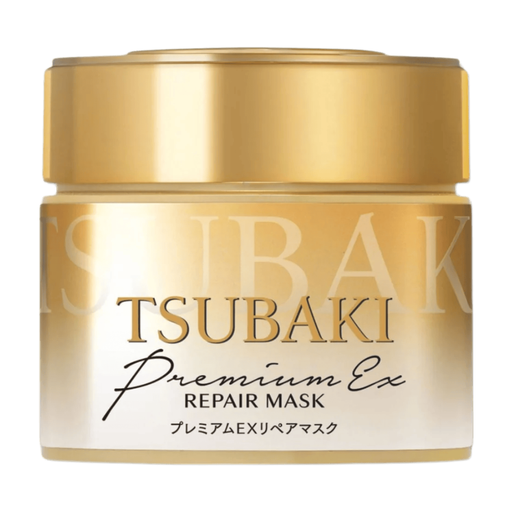
Why This Fits Their Persona: Its three-to-five-minute rinse-out format is suited to dry, frizzy, dyed or permed hair needing a focused weekly treatment.
The directions specify applying to mid-lengths and ends rather than directly to the scalp, which can help avoid unnecessary weight at the roots.
The ingredient list includes camellia seed oil, royal jelly extract, sodium acetylated hyaluronate and conditioning silicones.
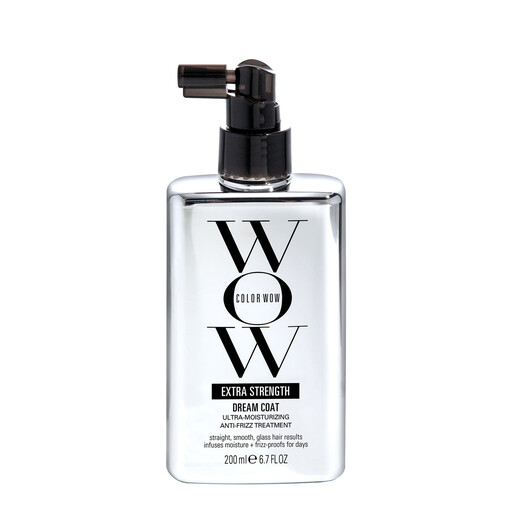
Why This Fits Their Persona: Designed for thick, coarse, curly or particularly unruly hair, it suits users who regularly style with a hairdryer and need humidity-focused smoothing.
It is a leave-in spray rather than a rinse-out mask, and the instructions clearly state that blow-drying activates the formula. This avoids treating a styling product like a conventional conditioner.
The formula contains humidity-resistant film-forming ingredients and is described as suitable for colour-treated hair. It is also available in a 50ml travel format.
We have compiled a complete, real-time list of products that fully satisfy these strict selection criteria and UK safety regulations.
A product such as Garnier Ultimate Blends Cocoa Butter Hair Food can be used as a pre-shampoo, conditioner, mask or leave-in treatment, while rinse-out options such as Fino Premium Touch Hair Mask are more straightforward for weekly conditioning. For severe frizz, a dedicated smoothing hair mask or heat-activated anti-frizz treatment may be more appropriate than adding several rich products together.
Most users can start with once a week. Very dry, curly or chemically treated hair may need more frequent conditioning, while fine hair may become flat if treated too often. Follow the product instructions and reduce the amount if your hair feels coated or limp.
Check the period-after-opening symbol and packaging instructions. Many cosmetic products specify use within a set number of months after opening, commonly 12 months, but the exact guidance varies. Store the tub or bottle in a cool, dry place, close it securely and avoid introducing water into the container.
“Vegan” describes the absence of animal-derived ingredients; it does not automatically indicate colour protection. For dyed, bleached or highlighted hair, look for a product specifically described as colour-safe and review the directions. A colour-treated hair mask should be combined with gentle washing and sensible heat styling rather than relied on as the only protective step.