
24/7 Customer Support

Free returns

Same-day & Next-day Delivery

Quality Guaranteed

Unlock Your Welcome Offers: FREE Delivery | Up to 80% OFF | Free 30-day JoyPlus trial
Download the APP
Dry, brittle and frizzy hair often needs more than a standard conditioner. A suitable deep conditioning hair mask can improve softness, detangling and manageability, particularly after colouring, heat styling, bleaching or chemical treatments. However, choosing by attractive packaging or a dramatic product claim can lead to wasted money.
This guide from the Joybuy Product Recommendation Officer focuses on practical details: formula type, hair length, processing time, ingredients and realistic usage. It also highlights suitable options for different hair needs in the UK.
Many masks contain conditioning agents such as fatty alcohols, oils, silicones or film-forming ingredients. These can make hair feel smoother after rinsing, but a softer feel does not mean that split ends or structural damage have been permanently repaired. Look for clear information about the intended use, such as moisturising, detangling, smoothing or reducing the appearance of damage.
A thick mask may be useful for coarse, curly or very dry hair, but fine hair can become flat or weighed down. Conversely, a lightweight formula may not provide enough slip for long, tangled lengths. The product’s recommended hair type and application area matter more than phrases such as “intensive” or “professional”.
Fragrance, essential oils and some preservatives may not suit every scalp or skin type. Some formulas also contain silicones, proteins or oils, which can affect how hair feels and behaves. Check the packaging for the current ingredients, directions and warnings, particularly if you have colour-treated hair or a sensitive scalp.
For dry hair, prioritise humectants and emollients such as glycerin, fatty alcohols and plant oils. These help hair feel more conditioned and flexible. A keratin hair mask or formula containing hydrolysed proteins may appeal to people with over-processed or brittle lengths, but protein-heavy products are not automatically suitable for everyone.
If your primary concern is flyaways, tangles or humidity-related frizz, look for conditioning agents and smoothing ingredients such as dimethicone or amodimethicone. These can improve combability and surface feel without claiming to reverse permanent damage.
A weekly hair mask does not need to remain on the hair for half an hour to be useful. Several options in this selection specify short processing times:
Follow the product instructions rather than assuming longer is always better. Apply most masks from the mid-lengths to the ends, where dryness and mechanical wear are usually more noticeable.
A 300ml tub may offer practical value for long or thick hair, while a 150ml or 50ml treatment may be more convenient for occasional use or travel. Compare the net quantity with how much you need per application. A smaller product used sparingly can be more economical than a large tub that does not suit your hair.
For vegan or cruelty-free preferences, check the specific product information and current packaging. Claims can vary between product lines, so do not assume that every item from one brand has identical credentials.
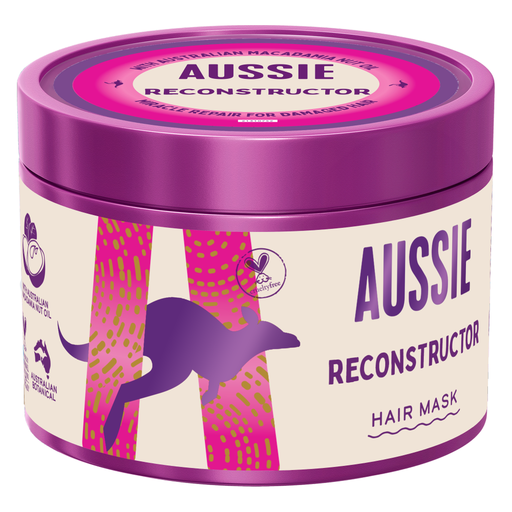
Why This Fits Their Persona: A straightforward option for someone beginning a regular at-home routine for dry or damaged hair, with a short 3–5 minute application time.
Its instructions set a practical processing time, helping shoppers avoid paying for a treatment that requires an unrealistic routine.
300ml size; contains macadamia nut oil; listed as a vegan and PETA-certified cruelty-free formula.
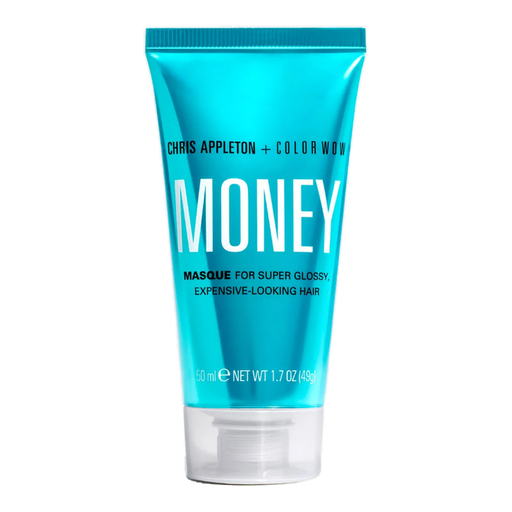
Why This Fits Their Persona: A compact deep conditioning hair mask for shoppers wanting a targeted treatment for dry, brittle or chemically processed hair.
The listed 5–10 minute weekly routine gives clearer guidance than vague promises about instant transformation.
Contains hydrolysed keratin and panthenol; described for colour-treated, bleached and chemically processed hair.
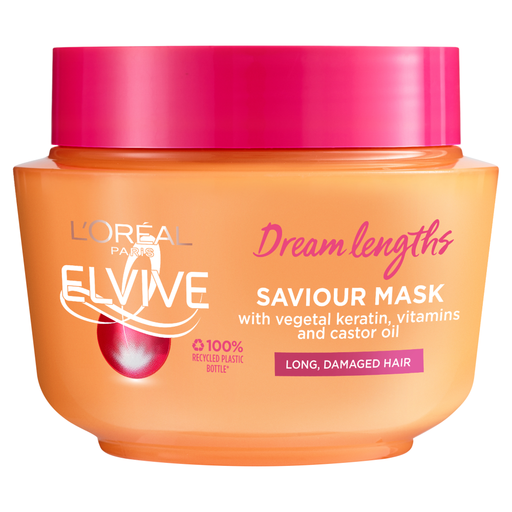
Why This Fits Their Persona: Designed around the needs of long hair, making it a practical match for dry ends, tangles and breakage-prone lengths.
The formula and directions specifically focus on lengths and ends rather than suggesting that a mask can correct all hair concerns at the roots.
300ml format; includes castor oil, niacinamide and hydrolysed proteins; 2–3 minute application time.
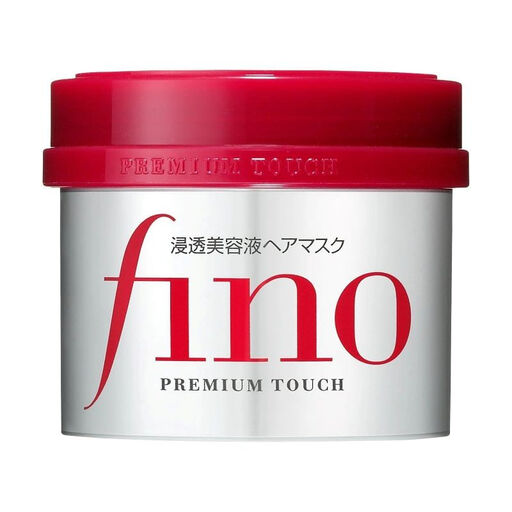
Why This Fits Their Persona: Suitable for shoppers seeking a weekly hair mask for frizzy, brittle or chemically treated hair, including hair affected by colouring, perming or UV exposure.
Its intended use is clearly positioned as regular deep maintenance, rather than a one-application solution for severe damage.
Contains squalane, amino-acid-related conditioning ingredients and hydrolysed wheat protein; intended for one to two uses per week.
A moisturising hair treatment may be used more often on coarse or curly hair, while fine hair may need less product and less frequent application. If you are trying a new formula, avoid applying it to irritated skin and follow the packaging warnings. Stop use if irritation develops.
We have compiled a complete, real-time list of products that fully satisfy these strict selection criteria and UK safety regulations.
Once a week is a sensible starting point for an intensive hair repair treatment. Very dry, thick or curly hair may tolerate more frequent conditioning, while fine hair can become heavy if treated too often. Follow the individual product directions.
A hair mask can improve the feel, smoothness and appearance of dry ends, but it cannot permanently rejoin split fibres. Regular trimming, gentler heat styling and careful detangling are still important for managing long damaged hair.
A keratin or protein-containing formula may suit hair that feels weak or over-processed, but it is not automatically the right choice. Alternate it with a moisturising treatment if your hair begins to feel stiff, rough or less flexible. Always check the current ingredient list before purchase.