
24/7 Customer Support

Free returns

Same-day & Next-day Delivery

Quality Guaranteed

Unlock Your Welcome Offers: FREE Delivery | Up to 80% OFF | Free 30-day JoyPlus trial
Download the APP
Dry, brittle and frizz-prone hair can make even a simple wash day frustrating. Heated styling, colouring, bleaching, hard water and cold, damp weather may leave the mid-lengths and ends feeling rough or difficult to manage. The right product can improve softness, detangling and the appearance of shine, but choosing from hundreds of similar-looking tubs and sprays requires more than reading the front label.
This guide explains what to check before buying and matches several best hair masks for dry and damaged hair to different routines, budgets and hair concerns.
A product may make hair feel smoother immediately through conditioning agents, oils or film-forming ingredients. This can improve manageability and reduce the appearance of split ends, but it does not permanently rejoin damaged fibres. A split-end repair treatment can temporarily bind or coat frayed ends; trimming remains the practical way to remove split ends.
Look for realistic descriptions such as conditioning, smoothing, detangling or improving the appearance of damage rather than assuming that “repair” means permanent restoration.
Heavy oils, butters and conditioning agents can be useful for thick, coarse or curly hair. On fine or low-density hair, however, they may leave strands flat or greasy, particularly when applied near the roots. A lightweight hydrating hair mask or a small amount of a multi-use treatment may be more suitable.
Natural-origin percentages and silicone-free formulas can be important preferences, but they do not automatically determine how a product will perform for your hair. Silicones can help smooth the surface and reduce friction, while some people prefer to avoid them. Always check the full ingredients list, fragrance components and usage instructions rather than relying on one front-of-pack claim.
Some products combine several uses. For example, a three-in-one mask may work as a conditioner, rinse-out treatment or leave-in product, giving you more control over the amount applied.
Thick, curly and chemically treated hair may tolerate a richer mask applied through the lengths. Fine hair often benefits from a lighter texture and a shorter contact time. If your hair is prone to build-up, alternate intensive treatments with a standard conditioner and avoid applying rich products directly to the scalp unless the packaging specifically instructs you to do so.
For a hair mask for curly hair, prioritise slip, moisture and easy detangling. A formula that leaves curls soft without excessive residue is generally easier to incorporate into a wash routine.
Use products only as directed and follow the packaging for the latest ingredient, batch and shelf-life information. In the UK, cosmetic products should carry appropriate safety information, but individual sensitivities still vary. Fragrance allergens such as limonene, linalool or coumarin appear in some formulas.
Apply most rinse-out masks to clean, damp hair, concentrating on the mid-lengths and ends. Rinse thoroughly and stop using a product if irritation occurs. A mask is a cosmetic conditioning product, not a medical treatment for scalp conditions or hair loss.
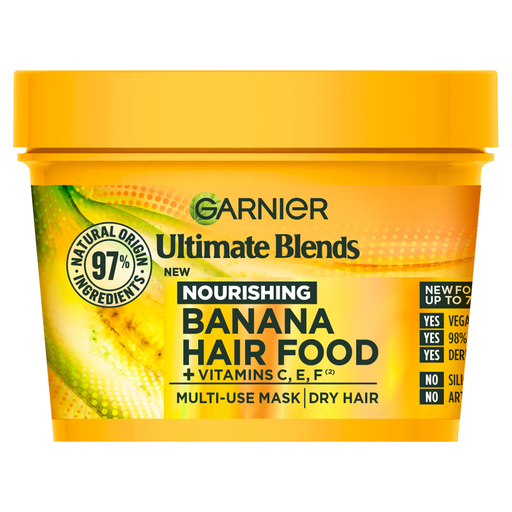
Why This Fits Their Persona: The 400ml size and three application methods suit shoppers building a simple routine without buying separate conditioner, mask and leave-in products.
Its multi-use format makes it easier to adjust the amount used, while the silicone-free formula is clearly stated for shoppers with that preference.
100% vegan formula; usable as a conditioner, rinse-out mask or leave-in treatment.
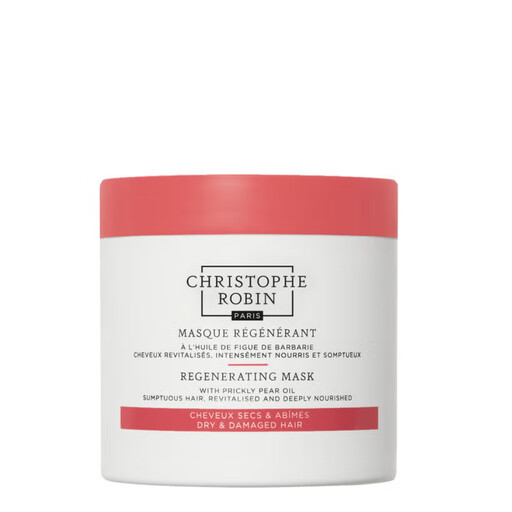
Why This Fits Their Persona: A concentrated rinse-out option for dry, brittle or chemically treated hair when a more intensive weekly step is preferred.
The directions focus application on mid-lengths and damaged ends, helping reduce the risk of weighing down the roots.
250ml format; listed as free from silicones, parabens and SLES, with 97% natural-origin ingredients.
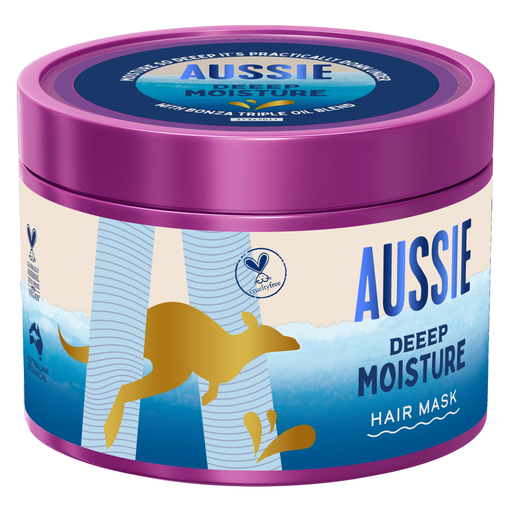
Why This Fits Their Persona: Thick, very dry, curly or frequently styled hair may benefit from a richer oil-based treatment with flexible contact time.
The multi-use design lets you begin with a short treatment and increase contact time only when your hair needs more conditioning.
Contains jojoba, avocado and macadamia oils; vegan and PETA-certified cruelty-free according to the product description.
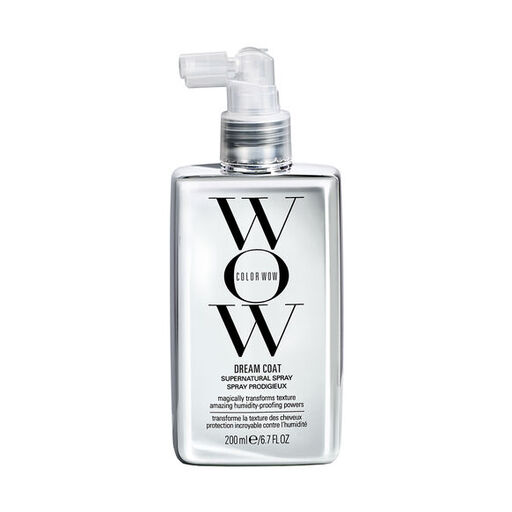
Why This Fits Their Persona: This is a heat-activated spray rather than a traditional mask, making it suitable for people who prioritise smooth blow-dried styling during damp UK weather.
Its instructions clearly require application to towel-dried hair and blow-drying with tension, so the activation step is not hidden.
Lightweight spray format; described as suitable for colour-treated hair and heat styling.
We have compiled a complete, real-time list of products that fully satisfy these strict selection criteria and UK safety regulations.
For a leave-in hair treatment, use a small amount and avoid the roots unless directed otherwise. Heat-activated anti-frizz products are different from rinse-out masks: follow their styling instructions carefully and use suitable heat protection where needed.
Once a week is a sensible starting point for many people. Very dry or heavily processed hair may need more frequent conditioning, while fine hair may become weighed down with frequent rich treatments. Adjust based on softness, manageability and build-up.
No cosmetic split-end repair treatment can permanently reconnect a split fibre. Masks and leave-in products can condition the area and improve the appearance and feel of the ends. Regular trims are the practical solution for removing visible splits.
Choose a rinse-out mask when dryness and rough texture are the main concerns. A leave-in treatment is more convenient for daily smoothing and end care. If humidity is the trigger, a dedicated anti-frizz treatment may be more appropriate than adding a heavier mask.