
24/7 Customer Support

Free returns

Same-day & Next-day Delivery

Quality Guaranteed

Unlock Your Welcome Offers: FREE Delivery | Up to 80% OFF | Free 30-day JoyPlus trial
Download the APP
Dry ends, persistent frizz and hair that feels rough after washing can make even a simple UK hair-care routine expensive and disappointing. The right hair mask may improve softness, manageability and moisture retention, but product descriptions often make similar-sounding promises.
Before buying a repairing hair mask or deep conditioning hair mask, look beyond phrases such as “intensive”, “natural” and “salon-quality”. The formula, application method and suitability for your hair type matter more than the marketing language.
Most hair masks are designed to be applied after shampooing and rinsed out after a few minutes. A leave-in hair treatment works differently and should generally be used in a smaller quantity on the lengths and ends.
Using a rich rinse-out formula as a leave-in product may leave fine hair limp or greasy. Conversely, a lightweight mask may not provide enough conditioning for very dry, thick or curly hair. Check the directions before purchase and look for multi-use formulas only when you genuinely want application flexibility.
A high natural-origin percentage can be useful if that is important to your shopping preferences, but it does not automatically indicate that a formula will suit your hair. Natural oils, botanical extracts and fragrance components may still be unsuitable for some users.
Read the ingredient list and consider the product’s main function. Conditioning agents, humectants such as glycerin, oils, butters, proteins and silicone-based ingredients each contribute differently to softness, slip, shine or frizz control.
Hair fibre that has already split cannot be permanently restored by a cosmetic product. A hair treatment for dry and damaged hair can improve the feel and appearance of the lengths, help reduce tangling and make hair easier to style. Regular trimming may still be needed for severely split ends.
Be cautious with dramatic claims such as permanent repair, instant reconstruction or guaranteed results. A more realistic choice is a formula that matches your immediate concern: moisture, detangling, smoothing, colour care or curl definition.
Choose based on your hair’s texture and condition:
If you prefer a vegan hair mask, check the product description and relevant certification or approval details rather than relying on imagery or wording such as “plant-inspired”. Those avoiding silicones, parabens, SLES or particular fragrance ingredients should inspect the complete ingredient list.
For curly hair, consider whether you prefer a lightweight formula that preserves movement or a richer product for coils that need more conditioning. There is no single formula suitable for every curl pattern.
A 125ml or 150ml treatment may suit occasional intensive use, while 300ml and 400ml tubs offer more product for regular routines or longer hair. Compare the quantity with how often you expect to use it.
Most rinse-out treatments take around three to ten minutes. A product requiring heat styling, such as a heat-activated anti-frizz spray, is not a direct replacement for a traditional mask. Following the stated directions helps avoid residue and over-conditioning.
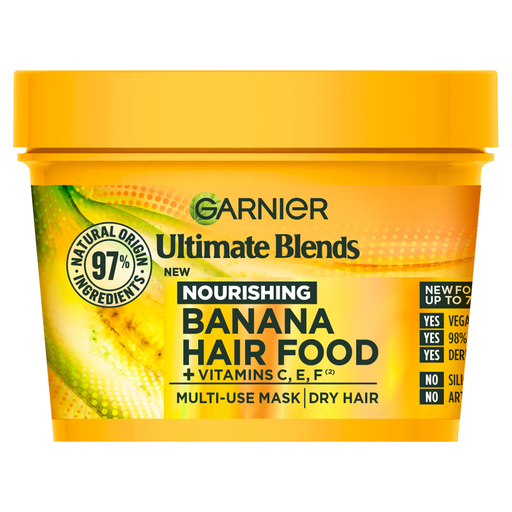
Why This Fits Their Persona: The 400ml size and three application options make this a practical starting point for shoppers building an affordable weekly routine for dry hair.
Its directions clearly separate conditioner, rinse-out mask and leave-in use, reducing the risk of using too much product in the wrong way.
100% vegan formula, no silicones and up to 97% natural-origin ingredients, according to the product information.
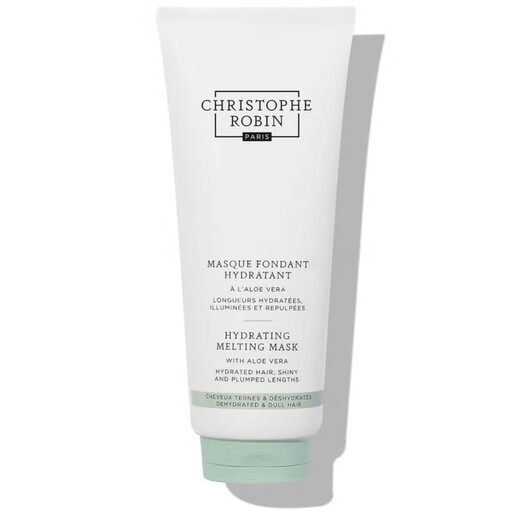
Why This Fits Their Persona: A melting texture and colour-safe positioning suit shoppers wanting lightweight hydration for dry, dull or coloured hair without a heavy finish.
The product information identifies its texture, application area and colour-safe use, helping set clearer expectations than a vague “repair” label.
Contains aloe vera, flaxseed oil and glycerin, with 95% natural-origin ingredients listed in the product description.
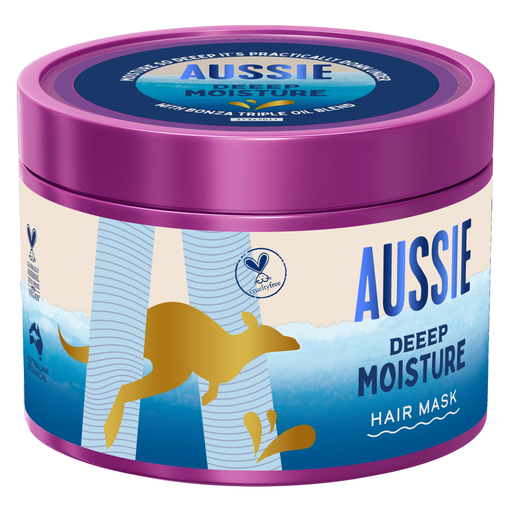
Why This Fits Their Persona: Designed for very dry, thick and curly hair, it suits users who need a richer treatment after frequent washing, heat styling or exposure to damp UK weather.
The multi-use directions explain daily conditioning, a three-minute treatment and longer intensive use, rather than presenting one routine for every hair type.
Includes jojoba, avocado and macadamia oils; the formula is described as vegan and PETA-certified cruelty-free.
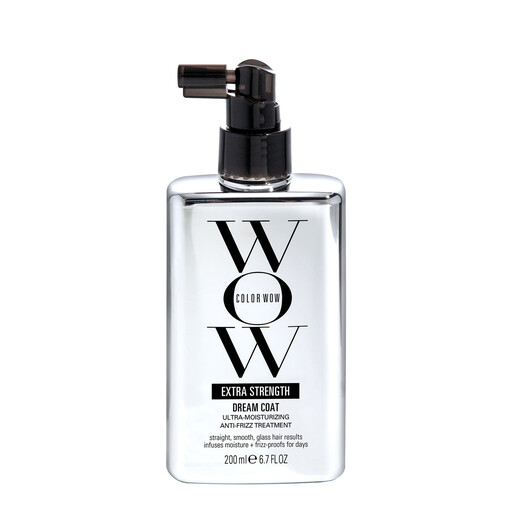
Why This Fits Their Persona: This is a leave-in, heat-activated anti-frizz treatment for coarse, curly or difficult-to-manage hair, making it suitable for shoppers who regularly blow-dry.
It is clearly labelled as a spray that is not rinsed out and requires thorough blow-drying, so it is not mistaken for a conventional hair mask.
Lightweight formula with heat-activated use and humidity-resistant positioning for frizz-prone styling.
We have compiled a complete, real-time list of products that fully satisfy these strict selection criteria and UK safety regulations.
Always check the packaging for warnings, storage guidance, opening period and the latest ingredient list. Avoid contact with the eyes and stop using a product if irritation develops.
Once a week is a sensible starting point for dry or damaged hair. Very fine hair may need less frequent use, while thick, curly or heavily processed hair may tolerate a richer treatment more often. Follow the individual product directions.
Some products are intended to replace conditioner, while others are designed for occasional intensive use. Multi-use products may work as a daily conditioner, rinse-out mask or leave-in hair treatment, but conventional masks should not automatically be left in.
They can make dry ends feel smoother and easier to manage, but they cannot permanently join a split strand. Use a suitable intensive hair repair treatment for conditioning, reduce excessive heat and arrange a trim when split ends are noticeable.