
24/7 Customer Support

Free returns

Same-day & Next-day Delivery

Quality Guaranteed

Unlock Your Welcome Offers: FREE Delivery | Up to 80% OFF | Free 30-day JoyPlus trial
Download the APP
Hair masks can make a useful addition to a UK hair-care routine, particularly when hair feels dry after frequent heat styling, colouring, bleaching or exposure to damp weather. However, a higher price or a bold “repair” claim does not automatically mean a formula is suitable for your hair.
The practical choice depends on your hair’s condition, the ingredients you want to use, how often you can apply the treatment and whether the product suits coloured, curly or chemically treated hair.
A rich coating can make hair feel softer and easier to comb immediately, but this does not mean split ends have been permanently repaired. Hair masks may improve the look and feel of damaged lengths, while trimming remains the reliable way to remove split ends.
Look for a formula that matches your concern: a repairing hair mask for brittle, processed hair, a hydrating hair mask for dryness or a frizz control hair mask for flyaways and humidity-related roughness.
Oils, butters and silicones can help smooth coarse or porous hair, but a rich mask may leave fine hair flat or greasy-looking. Conversely, a lightweight conditioner may not provide enough care for thick curls or severely dry ends.
Check the texture and intended use. A melting or lightweight formula may suit fine-to-medium hair, while a richer deep conditioning hair mask can be more appropriate for thick, curly or heavily processed hair.
Natural-origin ingredients can still include fragrance components or essential oils that some people find unsuitable. Vegan status relates to animal-derived ingredients, while cruelty-free and colour-safe claims have separate meanings.
Read the current ingredient list on the packaging, especially if you have a sensitive scalp, fragrance preferences or coloured hair. Apply masks mainly to the mid-lengths and ends rather than directly to the scalp unless the instructions say otherwise.
For a hair mask for dry damaged hair, useful formula categories include:
A keratin hair mask is not automatically the right choice for every user. Alternate strengthening treatments with moisture-focused products if hair begins to feel rigid.
Most rinse-off hair masks need only a few minutes, making them practical for UK weekday showers. Some intensive treatments are intended for weekly use, while multi-use masks can work as a quick conditioner, rinse-out treatment or small amount of leave-in product.
Follow the product instructions rather than leaving every mask on for longer. Excess product may create build-up without improving results.
If you have dyed, bleached or highlighted hair, look for a clearly stated colour-safe hair mask and avoid assuming that every nourishing formula has been designed for colour maintenance.
For shoppers seeking a vegan hair mask, check whether the product specifically states that it is vegan. Natural-origin percentages also vary by formula and should be treated as product information, not a guarantee of performance or suitability.
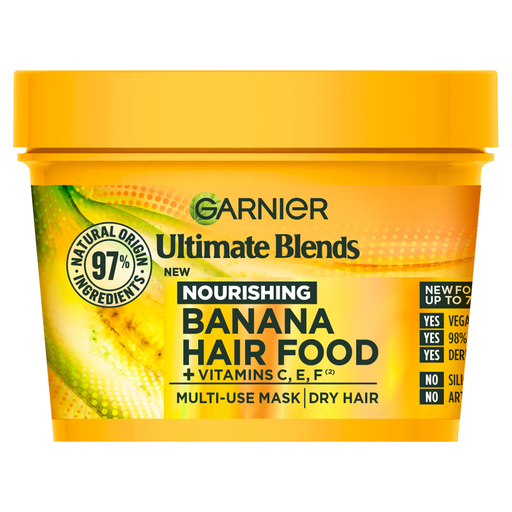
Why This Fits Their Persona: A 400ml tub and three application methods make this a practical starting point for shoppers building a simple routine at home.
The conditioner, rinse-out mask and leave-in options reduce the risk of buying a product that only suits one routine.
100% vegan formula; no silicones; contains banana fruit juice and shea butter; suitable for curly hair and coils.
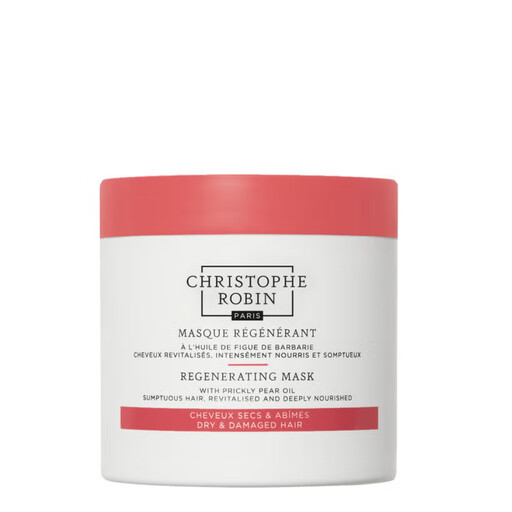
Why This Fits Their Persona: A concentrated option for shoppers prioritising dry, brittle or chemically treated lengths and a formula without silicones, parabens or SLES.
The ingredient list and stated 97% natural-origin content provide more useful detail than relying on vague “clean” wording alone.
250ml size; prickly pear oil extract; designed for dry and chemically treated hair; silicone-free formula.
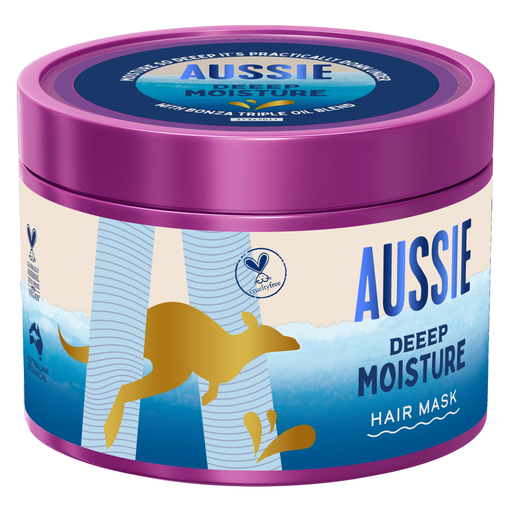
Why This Fits Their Persona: A useful match for thick, very dry or curly hair that needs regular deep conditioning, including households sharing a larger tub.
Its multi-use format lets you adjust the amount and contact time instead of applying an intensive treatment at every wash.
300ml size; jojoba, avocado and macadamia oils; vegan formula; stated cruelty-free certification; three application methods.
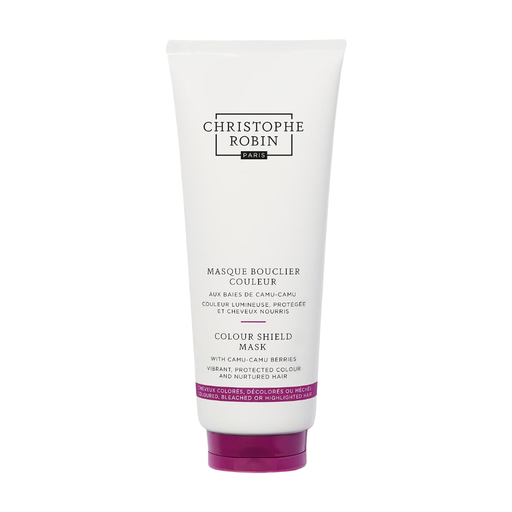
Why This Fits Their Persona: Designed for coloured, bleached or highlighted hair where maintaining softness and a glossy appearance is a priority.
It identifies colour care as a specific use case rather than asking shoppers to infer suitability from a general repair claim.
200ml size; stated 97% natural-origin ingredients; camu camu berry and macadamia oil; intended for coloured hair.
We have compiled a complete, real-time list of products that fully satisfy these strict selection criteria and UK safety regulations.
For curly hair, distribute the mask carefully with your fingers to support even coverage. For fine hair, use a smaller amount and keep it away from the roots. Always follow the product warning instructions and stop use if irritation develops.
Once a week is a sensible starting point for most rinse-off hair masks. Very dry, thick or chemically treated hair may tolerate more frequent conditioning, while fine hair may need less. Follow the individual product directions and adjust based on softness, weight and manageability.
A hair treatment for split ends can temporarily smooth the appearance and reduce the rough feel of damaged ends. It cannot permanently rejoin split fibres. Regular trims, gentler heat styling and conditioning the lengths can help limit further visible damage.
Not always. A mask is generally more concentrated, while conditioner is designed for regular detangling. A multi-use hair mask can serve as either product when the label permits, but a rich treatment may be unnecessary at every wash.