
24/7 Customer Support

Free returns

Same-day & Next-day Delivery

Quality Guaranteed

Unlock Your Welcome Offers: FREE Delivery | Up to 80% OFF | Free 30-day JoyPlus trial
Download the APP
A well-chosen hair mask can make a noticeable difference to softness, manageability and shine. However, many shoppers buy based on attractive claims such as “repair”, “intensive” or “salon-quality” without checking whether the formula suits their hair or routine.
Before choosing from the wide range of hair masks, watch out for three common buying traps:
Start with the result you actually need:
Hair texture also matters. Fine or oily hair usually benefits from a lightweight mask used mainly on the mid-lengths and ends. Thick, curly or coily hair may need a more emollient formula and a longer conditioning time.
The first several ingredients generally indicate the formula’s main base. Fatty alcohols such as cetearyl alcohol are commonly used to create a creamy texture and improve detangling; they are not the same as drying alcohols.
For moisture, look for ingredients such as glycerin, aloe vera, panthenol, sodium PCA and plant oils. For a repairing hair mask designed for brittle or chemically treated hair, ingredients such as hydrolysed keratin, wheat protein, quinoa protein and amino acids may improve the hair’s conditioned feel.
Silicones are not automatically a flaw. Ingredients such as amodimethicone or dimethicone can help reduce friction, improve combability and smooth the hair surface. If you prefer a silicone-free or minimalist routine, check the label rather than assuming. Also note fragrance allergens, including limonene, linalool and coumarin, if your scalp is easily irritated.
For UK shoppers, packaging should provide clear directions, ingredients, precautions and responsible-person information appropriate to the market in which the cosmetic is sold. Always follow the latest label, especially when product listings and packaging differ.
A 400ml tub may offer better value for frequent use, while a 50ml treatment can be useful for occasional care or travel. Compare the amount required per application, not only the shelf price.
Most rinse-out masks are intended for use once or twice weekly, although some multi-use products can also be used as a conditioner or leave-in treatment. Applying a large amount to the roots is rarely necessary and can make hair look heavy. For most masks, distribute from the mid-lengths to the ends, leave on for the stated period and rinse thoroughly.
The following recommendations are matched to different shopping needs rather than ranked overall.
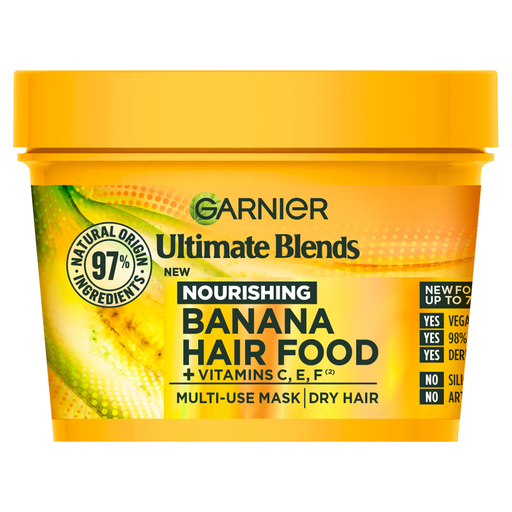
Why This Fits Their Persona: The 400ml format and three application methods make it practical for shoppers building a simple weekly routine for dry hair, including type 4 curls and coils.
Its label clearly describes conditioner, rinse-out mask and leave-in use, while the silicone-free, vegan formula is stated rather than implied.
Banana fruit juice and shea butter; up to 97% natural-origin ingredients as listed; three ways to apply.
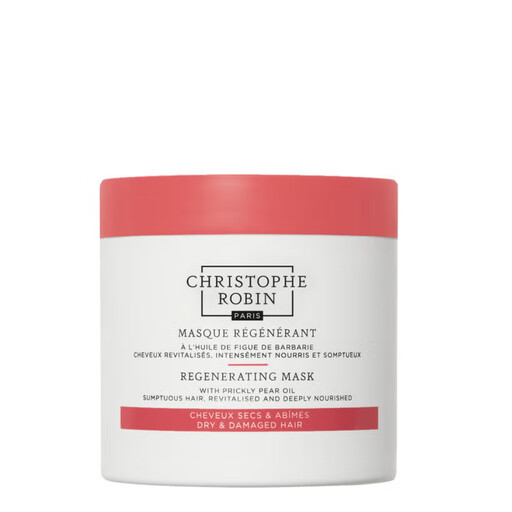
Why This Fits Their Persona: A concentrated option for dry, brittle or chemically treated hair when a more focused weekly repairing hair mask is preferred.
The listing identifies the target hair concerns and states that the formula is free from silicones, parabens and SLES, helping shoppers compare based on specific preferences.
250ml size; prickly pear extract; 97% natural-origin ingredients stated in the product information.
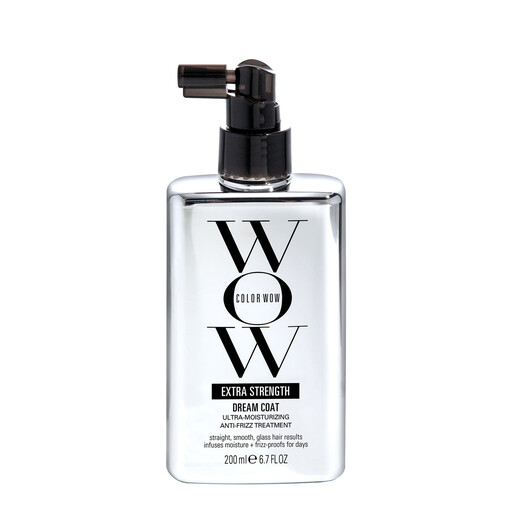
Why This Fits Their Persona: Designed for thick, coarse, curly or particularly frizz-prone hair, especially during damp UK weather when humidity control is a priority.
It is clearly a leave-in, heat-activated anti-frizz treatment rather than a rinse-out mask, so the required blow-drying step is visible before purchase.
200ml spray format; polysilicone-29 and silicone quaternium-18; suitable for colour-treated hair according to the listing.
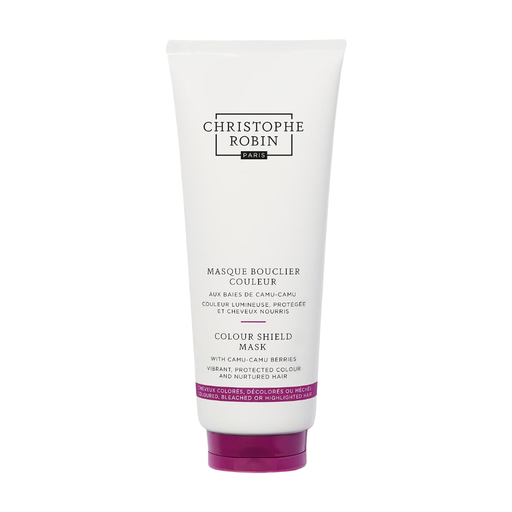
Why This Fits Their Persona: A targeted choice for coloured, bleached or highlighted hair where maintaining softness and shine is more important than maximum richness.
The product is explicitly positioned as a colour shield mask, with directions, ingredients and precautions available for comparison before ordering.
200ml format; camu camu, macadamia oil and vitamins C and E listed; 97% natural-origin ingredients stated by the product information.
We have compiled a complete, real-time list of products that fully satisfy these strict selection criteria and UK safety regulations.
For frizz, use a separate leave-in product if required. A rinse-out mask and an anti-frizz spray perform different jobs, so buying both may be more practical than expecting one product to solve every concern.
Most intensive treatments can be used once or twice a week, depending on hair condition and texture. Follow the individual label. If hair becomes limp, coated or difficult to style, reduce the amount or frequency.
They can improve the feel and appearance of frayed ends by conditioning and smoothing the hair surface. They cannot permanently reverse a split. Regular trimming is the reliable way to remove split ends, while a leave-in split-end repair treatment can help maintain a neater appearance between cuts.
Many are, but check the product description for an explicit colour-safe statement. Apply mainly to the lengths and ends, rinse thoroughly and follow the manufacturer’s directions. A colour-focused mask may be more appropriate than a general moisturising hair mask if fading is your primary concern.