
24/7 Customer Support

Free returns

Same-day & Next-day Delivery

Quality Guaranteed

Unlock Your Welcome Offers: FREE Delivery | Up to 80% OFF | Free 30-day JoyPlus trial
Download the APP
Dry ends, persistent frizz and hair that feels rough after washing can make an at-home routine feel ineffective. The right hair mask may improve softness, manageability and shine, but product descriptions often use broad promises that make comparison difficult.
Before choosing a deep conditioning hair mask, look beyond phrases such as “salon-quality” or “instant repair”. A sensible purchase depends on your hair’s condition, the formula’s ingredients and how easily it fits into your routine.
A hair treatment mask can coat and condition the hair fibre, helping it feel smoother and easier to comb. However, no rinse-out formula can permanently reconnect a split end. Products marketed as a split-end treatment may improve the appearance of frayed ends, while trimming remains the practical way to remove the damaged section.
Look for realistic, user-perceivable benefits such as less tangling, improved softness and reduced visible frizz rather than assuming “repair” means the hair has been permanently restored.
A moisturising hair mask may contain a high proportion of natural-origin ingredients, but that does not automatically make it suitable for every scalp or hair type. Fragrance ingredients, essential oils and botanical extracts can still be unsuitable for sensitive users.
Check the full ingredient list on the packaging. In the UK, cosmetic products should provide ingredient information using recognised INCI names. Also note that “vegan”, “cruelty-free” and “natural origin” describe different criteria and should not be treated as interchangeable.
A thick mask can be useful for coarse, curly or very dry hair, but may leave fine hair flat or greasy if applied too close to the roots. Conversely, a lightweight formula may not provide enough conditioning for highly porous, bleached or heat-damaged lengths.
The safest approach is to apply most hair masks from the mid-lengths to the ends, unless the packaging gives different instructions.
Match the formula to the main concern:
Ingredients are useful indicators, but they do not guarantee identical results for every person. Hair porosity, thickness, styling habits and water hardness all affect how a treatment feels.
A weekly hair treatment mask usually needs more time than a standard conditioner, but “intensive” does not always mean leaving it on for an hour. Several suitable options work in three to five minutes, which can be more practical in a UK shower routine.
Also check whether the product is:
Using more product or leaving it on for longer than directed may increase weight and residue rather than improving the result.
A 400ml tub may offer good value for long or thick hair, while a 125ml or 150ml container can be more practical if you use treatments occasionally. Compare the quantity with your expected frequency of use rather than judging value by the tub size alone.
For products containing fragrance, essential oils or multiple botanical extracts, follow the warning instructions and stop using the product if irritation develops. Avoid contact with the eyes and rinse thoroughly if contact occurs.
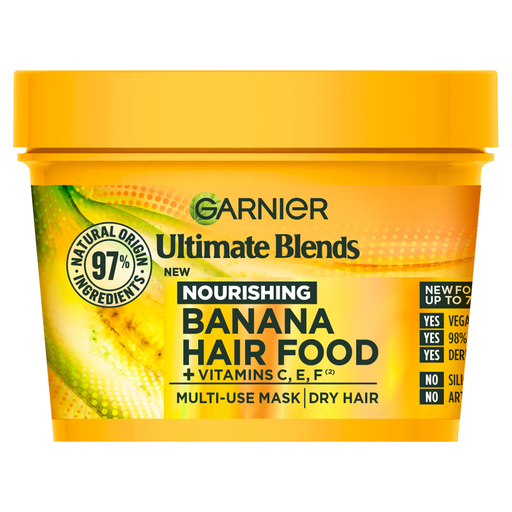
Why This Fits Their Persona: A large 400ml tub and three ways to use it suit shoppers building a simple routine for dry hair, including type 4 curls and coils.
Its conditioner, rinse-out mask and leave-in formats make it easier to adjust the amount instead of overloading fine or shorter hair.
100% vegan formula; contains no silicones; made with up to 97% natural-origin ingredients.
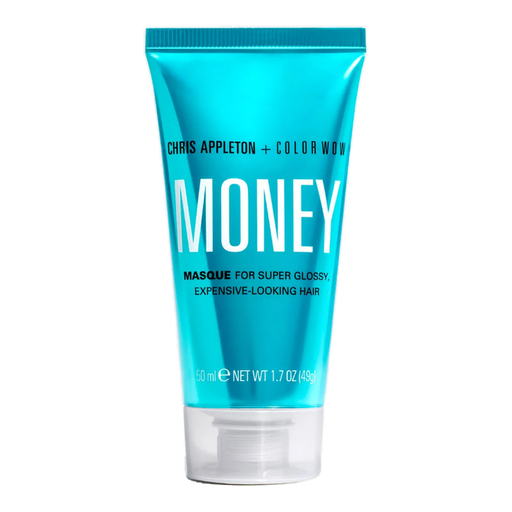
Why This Fits Their Persona: The compact format suits users who want a concentrated deep conditioning hair treatment for bleached, coloured or over-processed lengths.
The stated five-to-ten-minute application time gives a clear routine, rather than relying on vague instructions about intensive care.
Contains hydrolysed keratin and panthenol; listed as suitable for colour-treated and chemically processed hair.
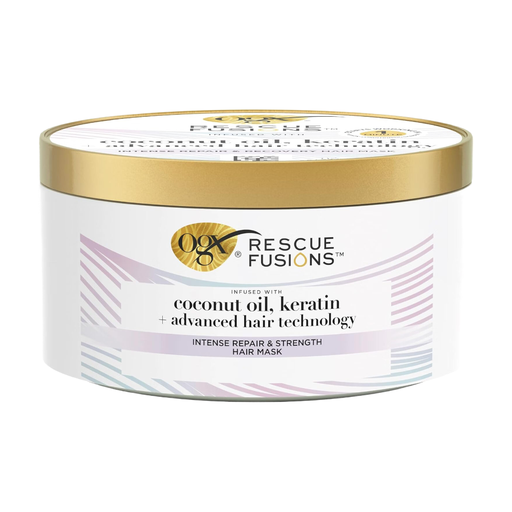
Why This Fits Their Persona: A weekly hair repair treatment is suited to brittle, heat-styled or over-processed hair that needs more conditioning than a daily conditioner provides.
Its instructions specify use on mid-lengths to ends and a weekly schedule, helping reduce unnecessary application and build-up.
Includes coconut oil, hydrolysed keratin and silk amino acids; designed for damaged, brittle and over-processed hair.
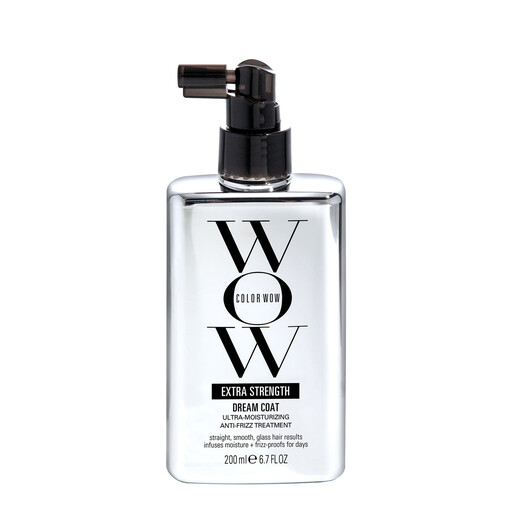
Why This Fits Their Persona: The spray format is designed for thick, coarse, curly or difficult-to-manage hair when damp UK weather makes styling unpredictable.
It clearly states that the leave-in product must be applied to towel-dried hair and blow-dried to activate the finish.
Heat-activated formula; suitable for colour-treated hair and described as lightweight and non-sticky.
We have compiled a complete, real-time list of products that fully satisfy these strict selection criteria and UK safety regulations.
For a leave-in hair treatment, use a small amount and avoid applying several heavy products at once. Fine hair may need only a pea-sized quantity, while thick or curly hair may require more coverage.
Once a week is a practical starting point for dry, damaged or frizz-prone hair. Some lightweight multi-use formulas can be used more frequently as conditioners, while rich masks may be better reserved for weekly care. If hair feels coated, limp or difficult to rinse, reduce the amount or frequency.
They can make split ends look smoother and temporarily bind or coat frayed areas, depending on the formula. They cannot permanently repair a split hair fibre. Regular trims, gentler brushing and reduced heat exposure remain important for managing recurring split ends.
A vegan formula is not automatically colour-safe. Vegan describes the absence of animal-derived ingredients, whereas colour-safe suitability relates to the formula’s intended use and how it interacts with coloured or chemically treated hair. Check both claims separately and follow the product instructions.