
24/7 Customer Support

Free returns

Same-day & Next-day Delivery

Quality Guaranteed

Unlock Your Welcome Offers: FREE Delivery | Up to 80% OFF | Free 30-day JoyPlus trial
Download the APP
Dryness, breakage, frizz and faded colour can make choosing between hair masks surprisingly difficult. Product pages often use similar language—“repair”, “hydration”, “shine” and “strength”—even though formulas can work in very different ways.
A sensible purchase starts with your hair’s actual needs rather than the most dramatic claim on the label. The following guide explains what to check, which common traps to avoid and which treatments may suit different UK haircare routines.
A hair mask can improve the feel and appearance of the hair shaft, making it softer, easier to comb and more polished. However, a split end cannot be permanently rejoined by a cosmetic product. Silicone-based conditioners, oils and film-forming ingredients may temporarily smooth the rough surface, while trimming remains the practical way to remove split ends.
Look for realistic descriptions such as helps reduce the appearance of breakage, improves manageability or smooths dry lengths, rather than assuming “repair” means the hair has been structurally restored.
Heavy butters, oils and conditioning agents can be useful for coarse, curly or very dry hair. On fine or easily weighed-down hair, however, they may leave strands flat or greasy. A lightweight moisturising hair mask or multi-use treatment may be more suitable.
The texture also matters. A thick cream is typically used as a rinse-out treatment, while a spray or fluid leave-in hair treatment may provide surface control without the same weight.
A high natural-origin percentage does not automatically indicate that a product is suitable for your hair. Formula performance still depends on conditioning agents, oils, proteins, humectants, fragrance and preservatives. If you prefer a vegan hair mask, check the product’s specific vegan statement rather than relying only on words such as “botanical” or “natural”.
Always review the ingredient list printed on the packaging, particularly if you are sensitive to fragrance, essential oils or specific preservatives.
For a dry hair mask, ingredients such as glycerin, panthenol, aloe vera, plant oils and butters can help hair feel more supple. Cationic conditioning ingredients and fatty alcohols can improve detangling and softness. These are useful indicators when shopping for a deep conditioning hair mask.
Very porous or chemically processed hair may also benefit from a formula containing hydrolysed proteins, such as keratin or quinoa protein. Protein-rich products can make hair feel stronger and less limp, but using several strengthening treatments too frequently may leave some hair feeling stiff. Alternate with a moisturising mask if needed.
Check the directions before purchasing. Most intensive treatments are applied after shampooing, left for between three and ten minutes, and rinsed thoroughly. A leave-in product should be applied sparingly to the lengths and ends, not automatically used like a conventional rinse-out mask.
Multi-use formulas can be convenient, but the application amount differs between conditioner, mask and leave-in use. Too much leave-in product is a common cause of residue and heaviness.
A colour-protecting hair mask should be labelled as suitable for coloured, bleached or highlighted hair. For frizz caused largely by humid weather, look for a dedicated anti-frizz hair mask or leave-in treatment with humidity-resistant film-forming ingredients. Heat-activated products usually require thorough blow-drying, so they may not suit an air-drying routine.
No cosmetic treatment can replace heat protection, careful detangling and sensible temperature settings. For persistent scalp irritation or sudden hair loss, seek appropriate medical advice rather than relying on a damaged hair treatment.
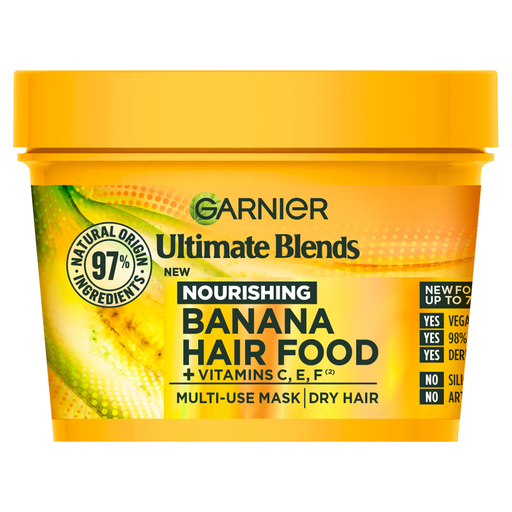
Why This Fits Their Persona: A practical option for shoppers who want one tub for conditioning, weekly masking and occasional leave-in use, including routines for dry curls and coils.
Its directions clearly separate conditioner, three-minute mask and leave-in application, reducing the risk of using too much product for the chosen purpose.
400ml size; 100% vegan formula; no silicones; contains banana fruit juice and shea butter.
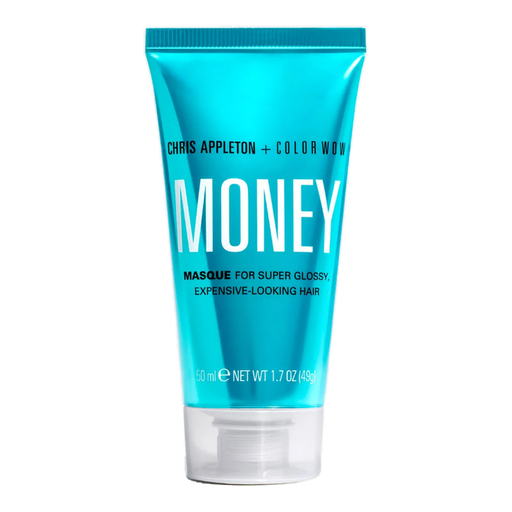
Why This Fits Their Persona: A compact deep conditioning hair mask for dry, brittle, bleached or chemically processed hair where softness, shine and manageability are key priorities.
The five-to-ten-minute weekly direction provides a defined treatment schedule rather than suggesting that longer application automatically produces better results.
Contains hydrolysed keratin and panthenol; suitable for colour-treated, bleached and chemically processed hair.
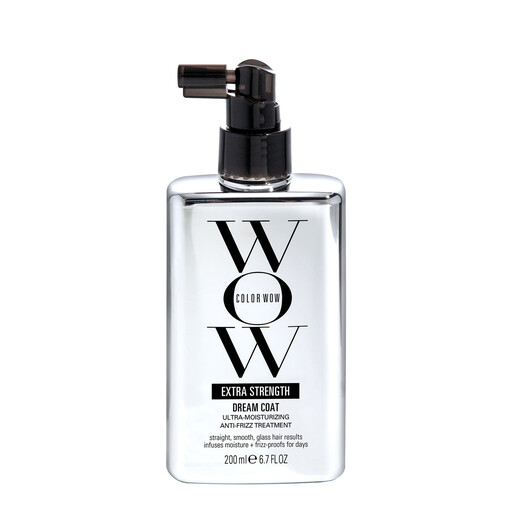
Why This Fits Their Persona: Designed for thick, coarse, curly or highly unruly hair that becomes difficult to manage during damp UK weather.
It states that the spray must be applied to towel-dried hair and activated with thorough blow-drying, making the styling requirement clear before purchase.
Heat-activated format; lightweight, non-greasy finish; suitable for colour-treated hair and designed for humidity resistance.
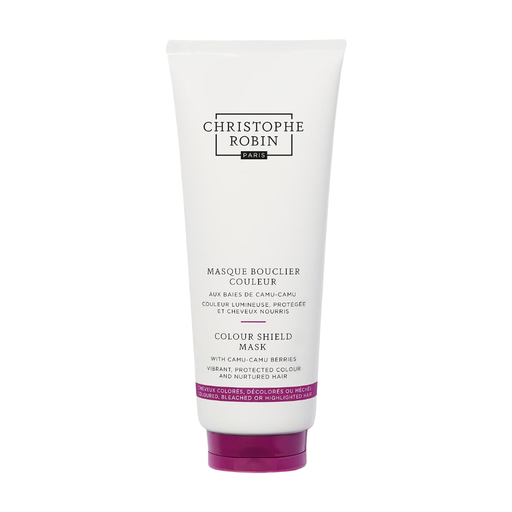
Why This Fits Their Persona: A suitable match for people with coloured, bleached or highlighted hair who want a dedicated colour-care step in their wash routine.
The product is specifically positioned for coloured hair and gives a clear three-to-five-minute rinse-out routine, rather than relying on a generic moisture claim.
Contains macadamia oil, vitamin E and vitamin C derivatives; made with 97% natural-origin ingredients according to the product information.
We have compiled a complete, real-time list of products that fully satisfy these strict selection criteria and UK safety regulations.
Start with once a week, then adjust according to texture and condition. Overuse of rich products can cause build-up or weigh down fine hair. Curly, coarse or chemically processed hair may benefit from more frequent conditioning, provided the hair still feels light and flexible.
They can make split ends look smoother and improve softness temporarily, but they cannot permanently reconnect separated fibres. A split-end repair treatment is therefore best understood as a cosmetic smoothing product. Regular trims are needed to remove existing splits.
Most rinse-out hair masks are used after shampooing and instead of conditioner. Applying conditioner afterwards may be unnecessary unless the product instructions recommend it. Leave-in hair treatments are different: they are applied after washing and are not rinsed out. Always follow the directions on the specific packaging.