
24/7 Customer Support

Free returns

Same-day & Next-day Delivery

Quality Guaranteed

Unlock Your Welcome Offers: FREE Delivery | Up to 80% OFF | Free 30-day JoyPlus trial
Download the APP
Dry ends, frizz and dullness are common concerns for UK shoppers, particularly during cold weather, indoor heating and frequent heat styling. However, choosing a suitable formula is not simply a matter of selecting the bottle with the most impressive claims. The right hair oil for dry and damaged hair depends on your hair’s thickness, texture, porosity and styling routine.
Many oils create an immediate glossy appearance by coating the hair surface. This can make strands look smoother without addressing the underlying cause of breakage or roughness. A shine finish is useful, but it should not automatically be treated as evidence that damaged hair has been repaired.
Look at the full ingredient list and intended use. Silicone-based formulas can help reduce friction and improve manageability, while plant oils may provide a conditioning feel. Neither should be presented as a permanent replacement for trimming split ends or reducing damaging styling habits.
A lightweight hair oil may be more comfortable on fine or straight hair, but very dry, coarse, curly or coily hair may need a richer formula. Applying too much of any product can leave hair flat or greasy, particularly when it is applied near the roots.
For most leave-in products, begin with one or two drops on the mid-lengths and ends. You can add more if needed, but removing excess oil usually requires washing.
Claims such as “up to 72 hours”, “96 hours” or “heat protection up to 230°C” describe specific marketing or product-positioning statements, not a guarantee for every user. Results can vary with humidity, hair condition, product quantity and styling tools.
Before purchasing, check the current packaging, directions and ingredient list. Fragrance allergens may also be listed, which matters if you have a sensitive scalp or prefer fragrance-free hair care.
A nourishing hair oil may contain plant oils such as argan, avocado, sunflower, coconut, jojoba or shea-derived ingredients. Smoothing formulas may also include silicones such as dimethicone, dimethiconol or cyclopentasiloxane. These can improve slip, reduce the feel of roughness and add shine.
If you want a hair serum oil for daily finishing, a silicone-led formula may feel less heavy. If you are looking for a pre-wash treatment for coarse or very dry hair, an oil-led formula may be more suitable. Always read the latest label because formulations can change.
Oil should generally be worked through the mid-lengths and ends rather than massaged into the scalp, unless the product specifically directs otherwise.
Bottle size affects value. A 30ml product may be practical for handbags or travel, while 100ml or 120ml bottles may suit frequent use or longer hair. Compare the recommended quantity rather than simply choosing the largest bottle.
Store hair oil away from direct sunlight and heat, and follow the product’s stated period-after-opening guidance. Stop use if irritation develops and avoid contact with the eyes.
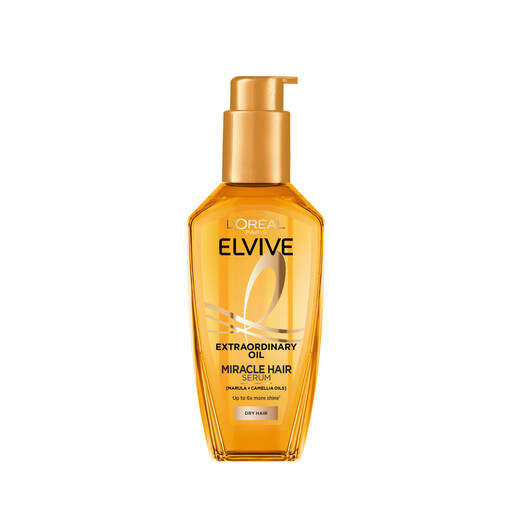
Why This Fits Their Persona: A 100ml option with three suggested uses: pre-shampoo treatment, styling aid and finishing oil. It suits shoppers building a simple routine for dry to very dry lengths.
Its directions make the intended uses clear, helping you distinguish a finishing product from a rinse-out treatment.
100ml size; directions allow use on wet or dry hair and before shampooing.
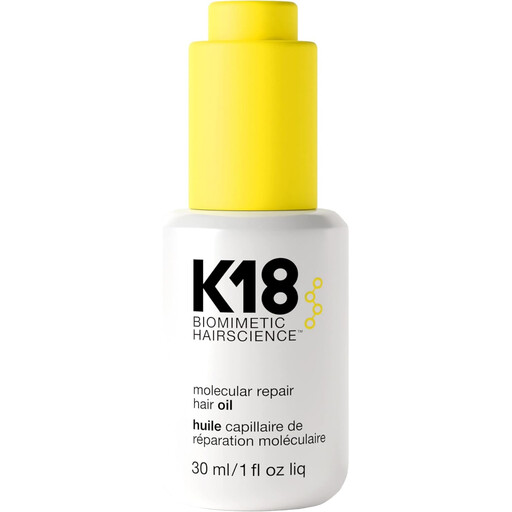
Why This Fits Their Persona: The compact 30ml format suits shoppers prioritising a targeted leave-in product for heat-styled, permed, dyed or visibly rough hair.
The ingredient list identifies sh-Oligopeptide-78 alongside squalane, avocado and sunflower oils, rather than relying only on a vague “repair” label.
Non-rinse formula; small portable size; designed for mid-lengths and ends.
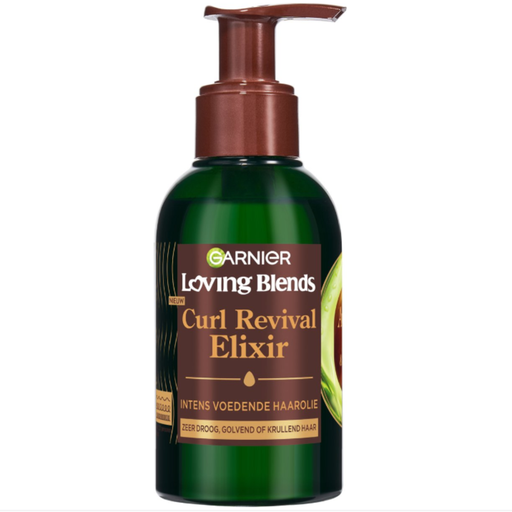
Why This Fits Their Persona: The product is specifically positioned for dry, wavy, curly and coily hair, with use as a pre-wash oil, mask mix-in, finishing oil or curl refresher.
Its multiple application methods make it easier to adapt the amount and placement to dense or porous hair.
120ml size; includes avocado oil and shea butter; suitable for curl refreshing.
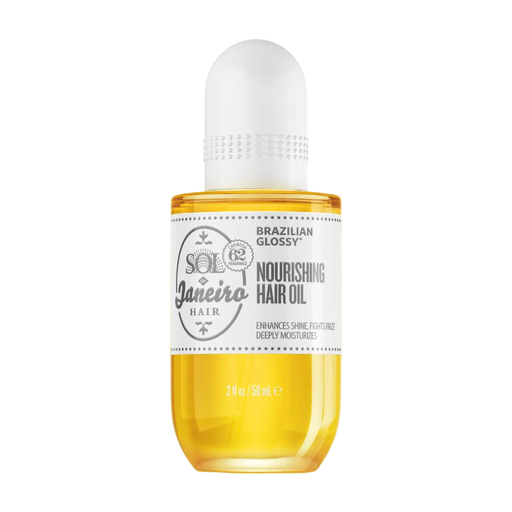
Why This Fits Their Persona: A 58ml finishing and pre-styling option for shoppers who want frizz control, shine and a listed heat-protection feature in one routine.
The listed heat-protection limit is specific rather than an open-ended promise; still use the lowest effective tool temperature and check the label.
Can be applied to wet or dry hair; listed heat protection up to 230°C; compact 58ml bottle.
We have compiled a complete, real-time list of products that fully satisfy these strict selection criteria and UK safety regulations.
For heat styling, use a product that specifically lists heat protection and follow its directions. Hair oil is not always a substitute for a dedicated heat-protection spray.
There is no single formula suited to every head of hair. Fine hair may benefit from a lightweight hair oil, while coarse, curly or chemically treated hair may prefer a richer oil or multi-use elixir. Compare ingredients, size, application directions and any specific heat or frizz claims before buying.
Hair oil can temporarily smooth the feel and appearance of dry ends, but it cannot permanently rejoin a split strand. Regular conditioning, careful detangling, reduced heat exposure and trimming remain important for managing visible damage.
This depends on hair texture and product instructions. Fine hair may need only a few drops once or twice a week, while dry curly or coily hair may tolerate more frequent use. Begin with less than you think you need and adjust according to how your hair feels after styling.