
24/7 Customer Support

Free returns

Same-day & Next-day Delivery

Quality Guaranteed

Unlock Your Welcome Offers: FREE Delivery | Up to 80% OFF | Free 30-day JoyPlus trial
Download the APP
Dry, brittle or chemically treated hair often needs more than a quick change of shampoo. Heat styling, bleaching, colouring, hard water and frequent washing can leave hair feeling rough, tangled and difficult to manage. The right combination of cleansing, conditioning and intensive treatments can improve its appearance and make everyday styling easier.
However, product descriptions can make comparison difficult. A higher price does not automatically mean a more suitable formula, and words such as “repair”, “professional” or “moisture” do not explain how a product should fit into your routine. This guide helps you compare hair repair and moisturising products by looking at practical details rather than marketing language.
A shampoo removes oil, sweat and styling residue, but it is rinsed away quickly. It is not a substitute for a nourishing hair conditioner or a deep conditioning hair mask. If your main concern is roughness, tangling or frizz, buying an expensive shampoo alone may not address the problem.
A more balanced routine usually includes:
Hair fibres are not living tissue, so cosmetic products cannot permanently reverse every form of damage. Hair repair products can help improve the feel, smoothness, manageability and appearance of distressed strands by coating, conditioning or replenishing moisture.
Be cautious with claims suggesting that a product will permanently restore severely split or broken ends. Trimming may still be needed, while a suitable routine can help reduce further dryness and friction.
A product labelled as moisturising may still contain fragrance, silicones, proteins or cleansing agents that do not suit everyone. For example, fine hair can look weighed down by rich products, while very dry or coarse hair may need a more substantial treatment.
Always check:
For regular washing, consider whether you need a standard shampoo or a gentler option for a dry scalp and fragile lengths. A dry hair shampoo should cleanse without leaving the lengths feeling tight or squeaky.
Pantene Shampoo Repair & Protect 325ML is described as being free from silicones, mineral oils and colourants. Its ingredient list includes cleansing agents such as sodium laureth sulfate and cocamidopropyl betaine, alongside glycerin, panthenol and conditioning polymers. This makes it worth considering if you want a conventional lathering shampoo with added conditioning ingredients, rather than a co-wash or ultra-gentle cleanser.
A nourishing hair conditioner should make detangling easier without leaving a heavy coating. Apply it to the mid-lengths and ends instead of the scalp, particularly if your roots become oily quickly.
For frizz control conditioner, look for conditioning agents such as fatty alcohols, cationic ingredients or selected silicones. These can improve slip and help hair feel smoother after rinsing. If you have fine hair, use a smaller amount and rinse thoroughly; thicker, curly or highly porous hair may tolerate a richer application.
A deep conditioning hair mask is useful when your hair feels rough, dry or difficult to comb. Check whether it needs three minutes, ten minutes or longer, and consider whether you will realistically use it on busy weekday evenings.
A vegan hair mask can also be a practical choice if avoiding animal-derived ingredients is important to you. Look for clear wording about vegan formulation, while still checking the product label for the latest ingredients and usage information. A leave-in conditioner may provide convenient daily manageability, but applying too much can make fine hair appear greasy.
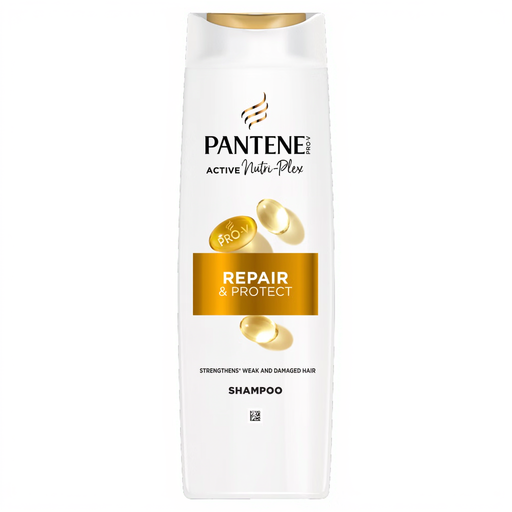
Why This Fits Their Persona: A straightforward starting point for adults who want one everyday shampoo to pair with a separate conditioner or treatment.
The listing provides a full ingredient list and clear rinse-off directions, making it easier to assess the formula before buying.
325ml size; includes glycerin and panthenol; designed for use with matching conditioner and treatments.
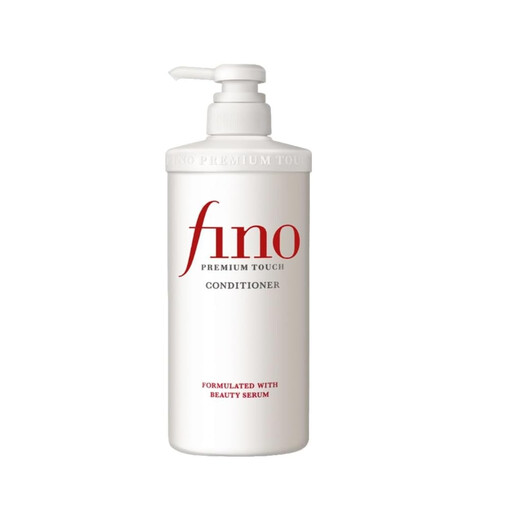
Why This Fits Their Persona: Suitable for shoppers seeking a larger-format conditioner for dry, brittle, dyed or permed hair and regular detangling.
Its directions specify mid-lengths and ends, a two-to-three-minute wait and thorough rinsing, helping prevent careless over-application.
550ml format; contains PCA, hydrolysed wheat protein and royal jelly extract; intended for daily post-shampoo care.
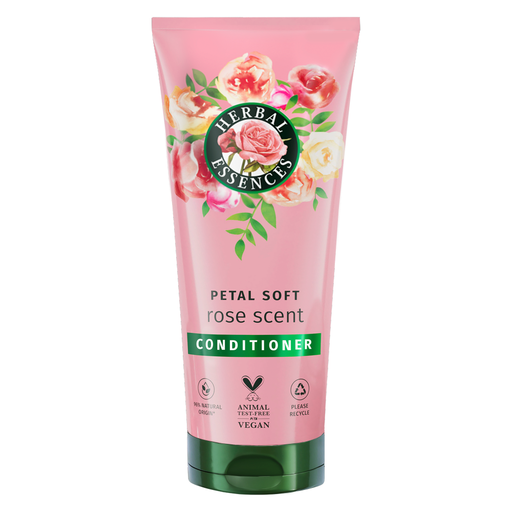
Why This Fits Their Persona: A convenient option for people who want everyday softness and the flexibility of rinse-off or small-amount leave-in use.
The product provides separate instructions for rinse-off and leave-in use, so shoppers can control the amount according to hair length and texture.
250ml size; vegan and cruelty-free formula as described in the listing; includes conditioning agents and rose fragrance.
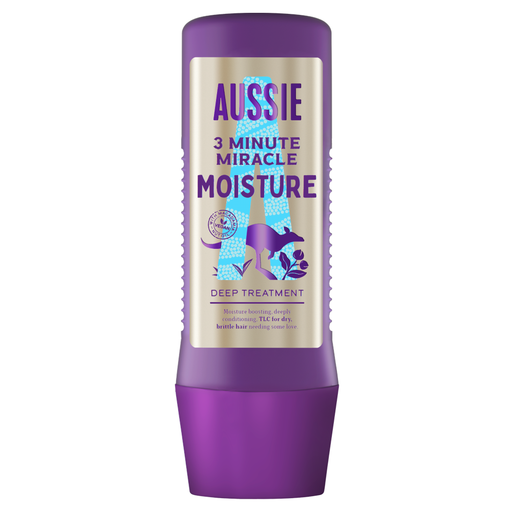
Why This Fits Their Persona: Designed for people managing very dry, brittle or heat-styled hair who want a treatment that fits around a busy routine.
Rather than requiring one fixed treatment schedule, it offers daily deep-conditioning, three-to-five-minute treatment and longer intensive-mask directions.
225ml size; contains macadamia seed oil; vegan and cruelty-free formula as described in the listing; can be used as a rinse-off or intensive mask.
We have compiled a complete, real-time list of products that fully satisfy these strict selection criteria and UK safety regulations.
A simple routine is often easier to maintain than using several intensive products at once:
Always follow the packaging directions and stop using a product if it causes redness, itching, swelling or other irritation. Avoid contact with the eyes and rinse thoroughly if contact occurs.
Use shampoo according to your scalp’s oiliness and lifestyle. Conditioner can usually be used after washing, while a richer hair repair treatment or mask may be used once or twice weekly. Fine hair may need less product, whereas coarse, curly or bleached hair may benefit from more frequent conditioning.
They can be useful for improving softness, slip and manageability. Apply the mask mainly to the mid-lengths and ends, follow the stated processing time and rinse completely. A mask cannot rejoin split ends, so persistent breakage may require a trim and a review of brushing or heat-styling habits.
They can if too much is applied, especially near the roots or on fine hair. Start with a small amount, keep conditioner and masks away from the scalp unless the label says otherwise and rinse thoroughly. Lightweight formulas or controlled leave-in use may be more suitable for hair that becomes oily quickly.