
24/7 Customer Support

Free returns

Same-day & Next-day Delivery

Quality Guaranteed

Unlock Your Welcome Offers: FREE Delivery | Up to 80% OFF | Free 30-day JoyPlus trial
Download the APP
Dry ends, breakage, rough texture and persistent frizz can make ordinary haircare feel ineffective. However, buying more products does not always solve the problem. The useful approach is to match each formula to the type of damage, your hair texture and the styling habits causing ongoing stress.
This guide explains what to check before buying hair repair products, followed by product recommendations for different UK haircare routines and budgets.
Silicones, oils and conditioning agents can make hair feel softer and look shinier after washing. That can be useful for manageability, but it does not necessarily mean that damaged areas have been permanently repaired. Look for products that clearly explain their conditioning, strengthening or protective function rather than relying on vague promises about “reversing” all damage.
A heavy mask or oil may suit thick, coarse or highly porous hair but leave fine hair flat and greasy. Fine hair often benefits from lightweight conditioners, small amounts of serum and application from the mid-lengths downwards. Avoid applying rich leave-in products directly to the scalp unless the packaging specifically recommends it.
Bleaching, colouring, frequent straightening, hot-air drying and environmental humidity create different styling concerns. A shampoo for damaged hair can cleanse and improve feel, while a bond repair conditioner or mask provides more intensive conditioning. A heat-protective serum is important if heated tools remain part of your routine.
Use the product type for the job you want it to perform:
For dry hair, conditioning ingredients such as oils, butters, panthenol, glycerine and fatty alcohols may support a softer feel. Keratin hair products commonly contain hydrolysed keratin or related proteins, which can help improve the feel and manageability of the hair shaft.
If your hair is fine, prioritise a lightweight texture. If it is coarse, curly or chemically treated, a richer conditioner or mask may be more practical. Fragrance and preservatives are also worth checking if your scalp or skin is easily irritated.
A routine focused only on cleansing and conditioning may not address the cause of ongoing breakage. Reduce water temperature, detangle gently, avoid pulling wet hair and use a heat-protective product before blow-drying or straightening.
UK cosmetic products should include appropriate packaging information, such as ingredients, responsible-person details and usage or warning instructions. Always follow the current label, avoid eye contact and stop using a product if irritation develops.
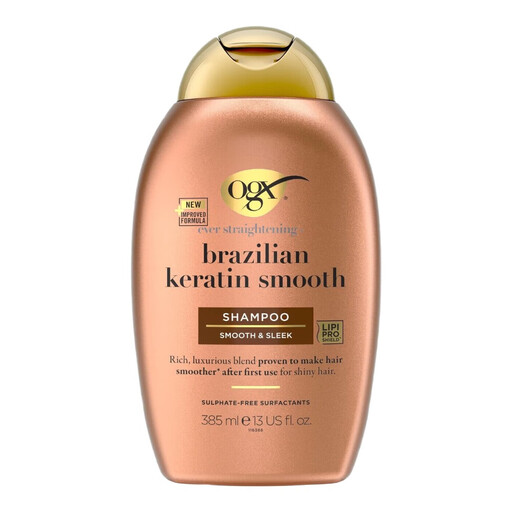
Why This Fits Their Persona: A practical starting point for people managing dry, wavy or unruly hair who want a smoothing shampoo without building a large routine. The 385 ml size is suitable for regular household use.
The formula lists hydrolysed keratin, coconut oil, avocado oil and cocoa butter, giving shoppers identifiable ingredients rather than relying only on a broad “repair” label.
Sulphate-free and paraben-free formula; includes oils and cocoa butter for a softer, smoother hair feel.
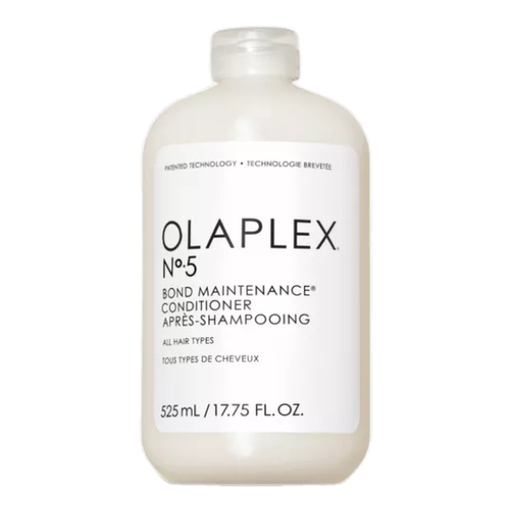
Why This Fits Their Persona: A larger-format option for people with medium to thick, chemically treated, curly or frequently styled hair who want a dedicated conditioning step after shampooing.
It is positioned as a concentrated conditioner, so the practical buying question is how much is needed per use rather than simply choosing the largest bottle.
Designed for all hair types, including chemically treated hair; leave on for 1–3 minutes and rinse.
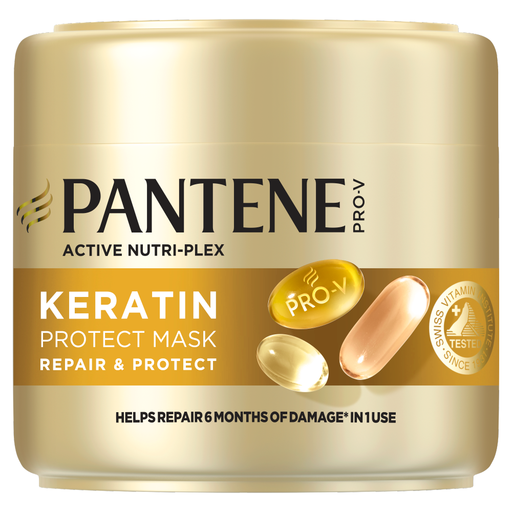
Why This Fits Their Persona: Suits bleached, highlighted or heat-styled hair that needs a richer occasional treatment rather than another daily leave-in product.
It is clearly presented as an intensive mask, helping shoppers distinguish occasional deep conditioning from a lightweight daily conditioner.
Contains keratin-related conditioning ingredients; applied to damp hair and rinsed after a few minutes.
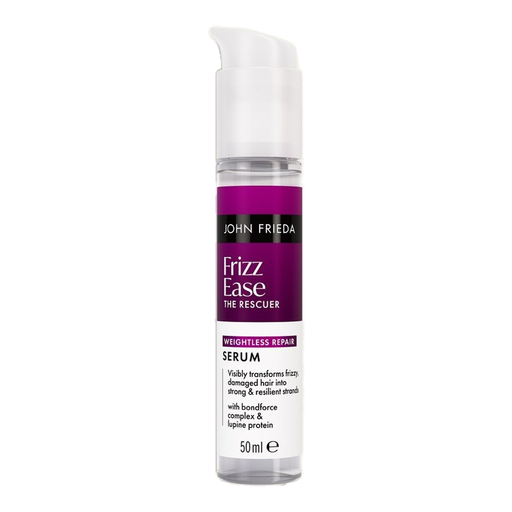
Why This Fits Their Persona: A convenient choice for people who blow-dry, straighten or curl their hair and need a small leave-in product for smoothing damp or dry ends.
Its stated heat-protection rating gives a more useful comparison point than an unspecified claim of “protection”. Use only the recommended amount to reduce build-up.
Weightless serum texture; listed heat protection up to 230°C and use on wet or dry hair.
For fine hair, the Olaplex No.5 Fine Bond Maintenance Conditioner 250ml is specifically positioned as a lightweight option. For a complete strengthening hair treatment routine, combine one cleansing product, one rinse-out conditioner and one targeted leave-in product rather than layering several rich formulas at once.
We have compiled a complete, real-time list of products that fully satisfy these strict selection criteria and UK safety regulations.
Use shampoo and conditioner according to your normal washing schedule. A rich mask may be suitable once or twice weekly, while a serum can be used when heat styling or frizz control is needed. Start with a small amount and adjust based on how your hair responds.
Most cosmetic products improve the feel, appearance, slip and manageability of hair while they remain on or within the conditioned surface of the strand. They cannot prevent all future damage. Regular trims, gentler detangling and reduced heat exposure remain important for maintaining the result.
Keratin-containing shampoos and conditioners can suit many textures, including dry, wavy and chemically treated hair. However, the result depends on the complete formula and the amount used. Fine hair may need a lightweight conditioner, while coarse or highly porous hair may tolerate a richer mask or oil. Always check the ingredient list and product directions before use.