
24/7 Customer Support

Free returns

Same-day & Next-day Delivery

Quality Guaranteed

Unlock Your Welcome Offers: FREE Delivery | Up to 80% OFF | Free 30-day JoyPlus trial
Download the APP
Dry ends, snapping strands, frizz and tangles can make even a simple wash day feel difficult. The right hair repair products may improve softness, manageability and the appearance of damage, but choosing by impressive wording alone can lead to wasted money.
This guide explains what to check before buying a damaged hair treatment, shampoo, conditioner, mask or leave-in product in the UK, followed by practical recommendations for different hair needs.
Silicones, oils and conditioning agents can make hair feel smoother immediately by reducing friction and coating the cuticle. That can be useful for detangling and styling, but it does not reverse all structural damage. Split ends cannot be permanently joined by a cosmetic product, so claims promising complete restoration should be treated carefully.
Look for products that clearly explain whether they focus on conditioning, breakage reduction, bond-supporting ingredients, frizz control or moisture. These are different functions, and one product may not cover every need.
A thick hair repair mask can help coarse, curly or highly porous hair, but may leave fine hair limp or greasy. Conversely, a lightweight leave-in serum may control frizz without providing enough conditioning for brittle, over-processed lengths.
Check the recommended application area. Most treatments should be applied from the mid-lengths to the ends, rather than directly onto the scalp, unless the packaging says otherwise.
Phrases such as “stronger”, “smoother” or “less breakage” may refer to controlled comparisons supplied by the brand. Individual results depend on hair porosity, chemical processing, heat exposure, washing habits and the amount used. According to each brand’s own product information, results are associated with specific routines or time periods, so claims should not be read as a universal guarantee.
For a treatment for dry brittle hair, look for conditioning ingredients such as glycerin, fatty alcohols, oils, butters and panthenol. These can help hair feel softer and reduce friction.
Protein ingredients, including hydrolysed keratin, wheat protein or silk amino acids, may suit hair that feels weak or overly processed. However, using several protein-rich products at once may make some hair feel stiff. Alternate with a moisturising deep conditioning hair mask if your hair becomes rough.
Bond repair hair products commonly use ingredients described as bond-supporting complexes or organic acids. These products are designed to target hair affected by bleaching, heat or chemical services. They should be viewed as part of a broader routine, not a replacement for reducing further damage.
A shampoo for damaged hair should clean the scalp without leaving the lengths excessively stripped. If you wash frequently, a gentler cleansing base may feel more comfortable. If you use styling products, oils or dry shampoo, occasional thorough cleansing may be needed.
Read the ingredient list rather than relying only on “repair” wording. Fragrance, essential oils and preservatives are common in cosmetics, but anyone with known sensitivities should check the full packaging and discontinue use if irritation occurs.
A conditioner is generally used after shampooing and rinsed away, while a leave-in hair serum remains on the hair to support smoothness, shine or frizz control. Masks usually provide a longer conditioning step, but contact time varies from one minute to ten minutes or more.
Follow the stated directions closely. Applying more product does not necessarily improve the result and may create build-up, especially on fine hair.
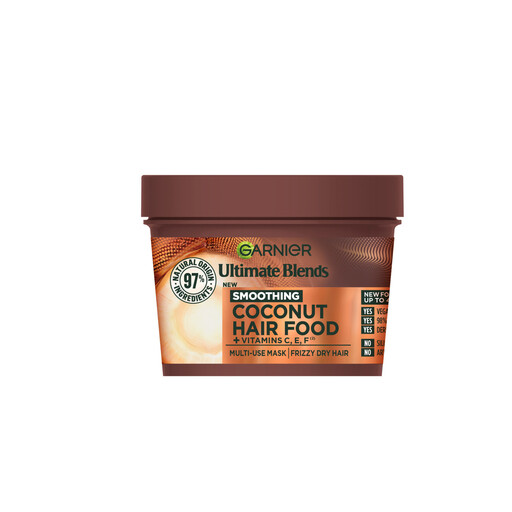
Why This Fits Their Persona: The three-use format suits shoppers building a simple routine for dry or frizz-prone hair without buying separate conditioner, mask or leave-in products.
Its directions distinguish between a 1–2 minute conditioner, a three-minute rinse-out mask and a small leave-in amount, helping prevent over-application.
100% vegan formula; up to 97% natural-origin ingredients; contains coconut oil, macadamia extract and shea butter.
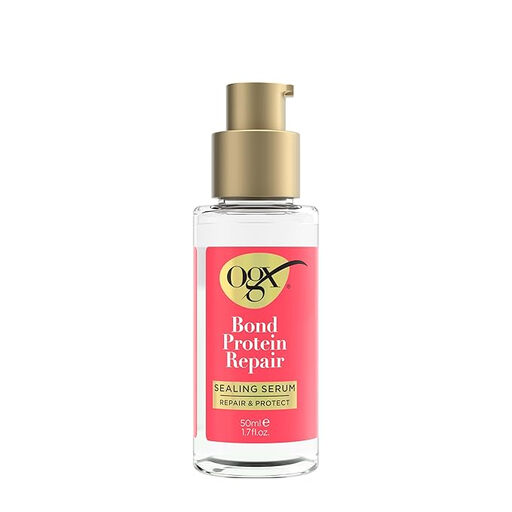
Why This Fits Their Persona: A concentrated overnight step suits shoppers who already have a basic wash routine and want a targeted product for dry, damaged or frizzy ends.
It is a leave-in serum with clearly stated 1–2 times weekly use, rather than a product that requires daily layering.
Lightweight overnight format; contains wheat protein, hydrolysed keratin, panthenol and arginine.
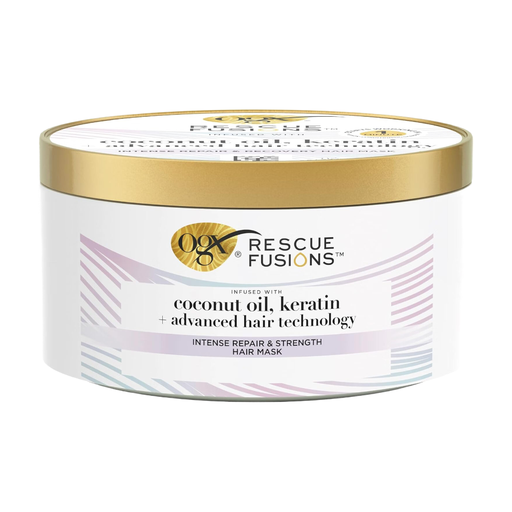
Why This Fits Their Persona: This weekly rinse-out treatment is suited to brittle, over-processed lengths that need a more intensive conditioning step after shampooing.
Its instructions specify application from mid-lengths to ends, a minimum one-minute contact time and weekly use, limiting unnecessary product layering.
Contains coconut oil, hydrolysed keratin and silk amino acids; designed as a weekly treatment for damaged or over-processed hair.
We have compiled a complete, real-time list of products that fully satisfy these strict selection criteria and UK safety regulations.
Always check the current packaging for ingredients, warnings, storage guidance and suitability. Cosmetic products are for external use only; avoid eye contact and stop use if irritation develops.
A conditioner can usually be used after each wash, while a mask may be suitable once weekly. Leave-in serums and bond repair treatments vary, so follow the individual directions. Using several intensive products together can make hair feel heavy or rigid.
Many are designed for damaged or chemically treated hair, but suitability depends on the specific formula. Check the product page and packaging, then apply mainly to the lengths and ends. Bond-focused care cannot prevent all future damage from repeated bleaching or heat styling.
Shelf life depends on the product, storage conditions and how often it is used. Keep tubs and bottles closed, away from direct sunlight and excessive heat. Check the expiry information or open-jar symbol on the packaging, and replace products if their smell, colour or texture changes.