
24/7 Customer Support

Free returns

Same-day & Next-day Delivery

Quality Guaranteed

Unlock Your Welcome Offers: FREE Delivery | Up to 80% OFF | Free 30-day JoyPlus trial
Download the APP
Bleaching, colouring, frequent washing, heated styling and hard-water exposure can leave hair feeling rough, brittle or difficult to manage. The right hair repair products may improve softness, smoothness and manageability, but choosing between conditioners, bond treatments, oils and serums can be confusing.
Marketing language can also make products sound more transformative than they are. Before buying, watch for these common pitfalls.
A silicone-rich serum or oil can make the hair surface feel smoother and reduce visible frizz. However, this does not mean that a split end has been permanently joined or that already-broken hair has returned to its original condition. A split-end repair treatment can improve the look and feel of damaged ends, but trimming remains the practical option for removing split sections.
Heavy oils and dense masks can leave fine hair flat, greasy or difficult to style. Conversely, a lightweight product may not provide enough conditioning for thick, porous or heavily bleached hair. Consider your hair density, texture and level of processing rather than choosing based only on words such as “intensive” or “professional”.
A heat protection serum can form a protective film and may be labelled with a maximum temperature. This is not a guarantee that hair will remain undamaged at that temperature. Use the lowest effective setting, keep the tool moving and allow hair to dry properly before using straighteners or curling tools.
A damaged hair conditioner is used after shampooing and rinsed away, making it suitable for regular wash days. A leave-in hair serum, bond repair serum or oil mist remains on the hair and is generally applied from the mid-lengths to the ends.
If your hair is dry throughout, combine a rinse-out conditioner with a small amount of leave-in care. If your roots become oily quickly, avoid applying rich products close to the scalp.
Look for practical details such as:
A pump or spray can help distribute product evenly, while a concentrated serum may require only one or two drops. Always follow the directions on the packaging, particularly when combining several strengthening hair treatments.
Review the full ingredient list if you have known sensitivities. Fragrance allergens may be listed separately, and formulas can change, so the packaging should take priority over an online description.
For UK shoppers, check that the product includes appropriate usage instructions, responsible person or manufacturer details, net contents and warnings. Products labelled as vegan or free from animal-derived ingredients should still be checked against the current packaging if this is important to you.
Also consider whether the product addresses your main concern: dry hair repair, frizz, breakage, heat exposure or detangling. One product rarely covers every need.
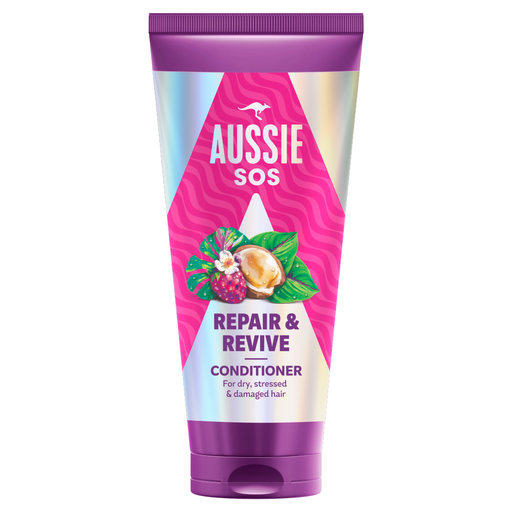
Why This Fits Their Persona: A straightforward rinse-out option for shoppers starting a haircare routine for damaged hair without adding several leave-in products. Apply to lengths and ends after shampooing, then rinse thoroughly.
It is a rinse-out conditioner rather than an overly rich leave-in treatment, helping users control how much product remains on the hair.
200ml format; vegan formula; designed to detangle and leave hair feeling soft and hydrated.
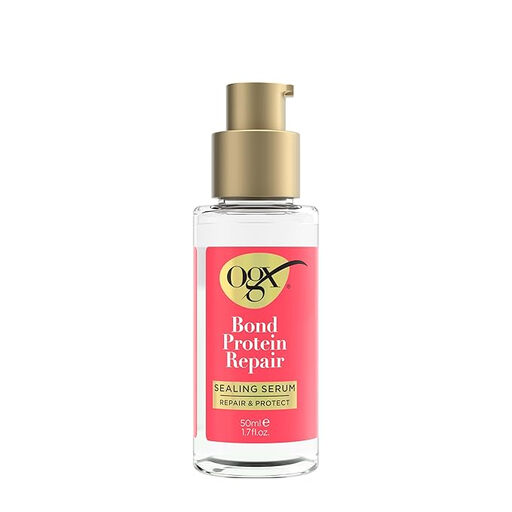
Why This Fits Their Persona: Suitable for shoppers seeking a targeted overnight step for dry, damaged or frizzy hair. Its leave-in format requires no rinsing and is directed for use once or twice weekly.
The instructions specify a small amount and limited weekly frequency, reducing the temptation to over-apply a concentrated serum.
50ml leave-in format; includes wheat protein, hydrolysed keratin, panthenol and arginine in the listed formula.
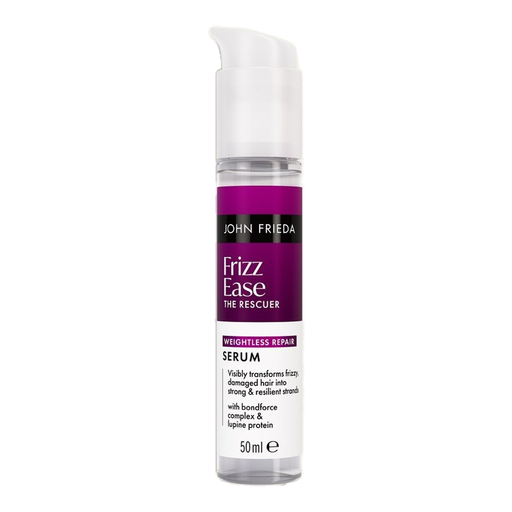
Why This Fits Their Persona: A practical match for regular blow-drying, straightening or humid UK weather. It is directed for use on damp hair before styling or on dry hair for flyaway and frizz control.
The application guidance separates damp-hair styling from dry-hair touch-ups, making the product’s intended uses clear rather than relying on a single broad claim.
50ml lightweight serum; product information states heat protection up to 230°C and use from mid-lengths to ends.
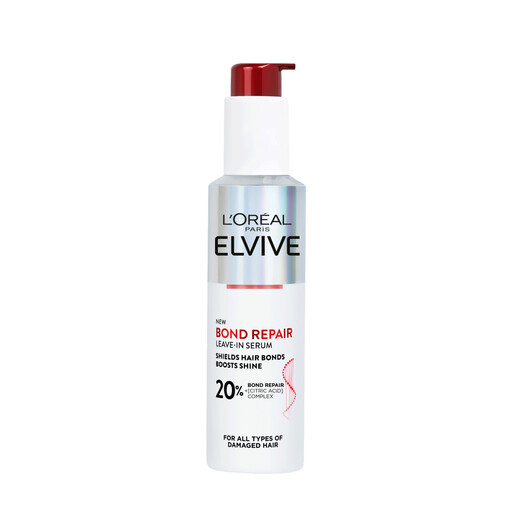
Why This Fits Their Persona: Designed as a finishing step for shoppers already using a structured bond-repair routine and wanting a larger 150ml leave-in format for regular application.
The directions specify two drops applied through the lengths and ends, helping users avoid applying excessive product near the roots.
150ml size; leave-in format; listed for use on wet or dry hair with citric acid included in the formula.
Start with a gentle shampoo and apply conditioner mainly to the lengths and ends. Use a mask when hair feels particularly dry, but avoid layering several heavy products on the same day.
On styling days, apply a small amount of leave-in hair serum or heat protection serum to towel-dried hair. Comb carefully from the ends upwards, then dry using moderate heat. An anti-frizz hair serum can be applied sparingly to dry hair afterwards.
For hair that is bleached or repeatedly coloured, alternate conditioning with a bond repair serum or strengthening hair treatment. If using an oil mist, spray lightly and keep it away from open flames and high heat where the label advises flammability precautions. Review the current packaging for directions, warnings and storage information.
We have compiled a complete, real-time list of products that fully satisfy these strict selection criteria and UK safety regulations.
No cosmetic treatment can restore a split end to its original structure. A split-end repair treatment may temporarily smooth the appearance and reduce roughness, while trimming removes the damaged section. Use conditioner and heat protection to help reduce further wear.
Follow the product directions. Some leave-in bond products are intended for once or twice-weekly use, while others are designed as finishing products. Applying more than recommended can cause build-up, particularly on fine hair.
Shelf life varies by formula and packaging. Check the open-jar symbol or wording on the label, store the product away from excessive heat and sunlight, and discard it if its smell, colour or texture changes noticeably.