
24/7 Customer Support

Free returns

Same-day & Next-day Delivery

Quality Guaranteed

Unlock Your Welcome Offers: FREE Delivery | Up to 80% OFF | Free 30-day JoyPlus trial
Download the APP
A hair repair serum can make hair feel smoother, look shinier and manage frizz between washes. However, choosing by packaging or impressive-sounding claims alone can lead to a formula that feels greasy, causes build-up or does not suit your hair type.
The most useful approach is to match the product with your actual concern: dryness, heat styling, split ends, colour treatment, curls or everyday flyaways.
A serum can coat, condition or temporarily bind the look of rough ends, but no leave-in product can permanently rejoin a split end. A split-end repair serum may improve the appearance and feel of frayed ends, while regular trims remain the practical way to remove existing splitting.
Look for realistic benefits such as smoother lengths, easier detangling, reduced flyaways and improved shine rather than assuming that “bond repair” means damaged hair has been restored permanently.
A hair oil for dry hair may be suitable for coarse, porous or curly strands but excessive application can leave fine hair flat. Oils and silicone-based smoothing ingredients can help reduce friction and add gloss, but the amount used matters.
If your hair is fine, start with one or two drops applied from the mid-lengths to the ends. Thicker or tightly curled hair may need a more conditioning leave-in treatment, distributed in sections.
Not every anti-frizz hair serum provides heat protection. If you regularly use straighteners, curling tools or a hot hairdryer, check the product description and label for a stated temperature rating. A heat protectant hair serum should be applied before styling as directed, while a finishing oil may be intended only for dry hair.
Also check whether the formula is suitable for damp hair, dry hair or overnight use. Applying the wrong product at the wrong stage can create uneven results or unnecessary build-up.
Serums generally fall into several practical groups:
Ingredients such as glycerin, panthenol, plant oils, proteins and conditioning agents can support a softer feel. If your hair is sensitive to fragrance or particular ingredients, always check the latest packaging before use.
A good formula still needs correct dosing. Most products should be kept away from the scalp and concentrated on the mid-lengths and ends. Start with a small amount, spread it between your palms, then smooth it through the hair.
For a leave-in hair treatment, check whether it is designed for daily use or occasional application. Some repair serums are intended once or twice weekly, while lightweight frizz-control formulas may be used after each wash.
UK weather can make humidity resistance useful, particularly for wavy, curly or porous hair. However, a claim such as “three days of frizz control” is a product performance statement rather than a guarantee for every user.
For frequent styling, choose a formula with a clearly stated heat-protection temperature. For air-drying, prioritise hydration, curl definition or lightweight smoothing instead. Avoid assuming that a high-shine hair oil automatically protects against hot tools.
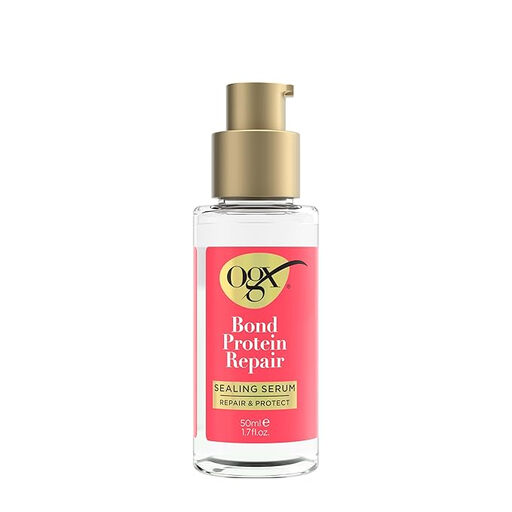
Why This Fits Their Persona: A compact, no-rinse option for shoppers starting a simple repair routine for dry, damaged or frizzy hair.
Its instructions specify a small amount and use once or twice weekly, helping reduce over-application and build-up.
50ml leave-in serum; contains hydrolysed keratin, wheat protein, panthenol and conditioning ingredients.
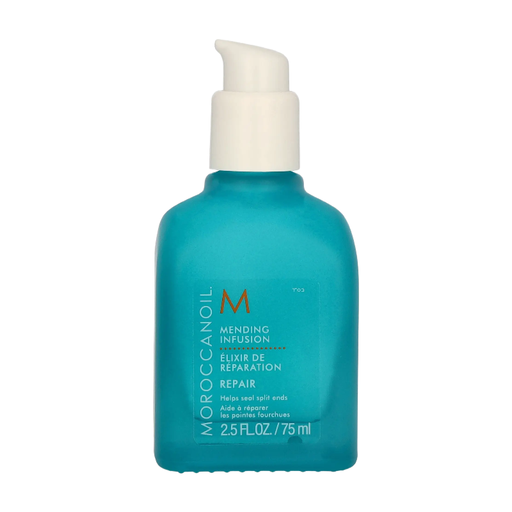
Why This Fits Their Persona: Suits shoppers focused on dry, colour-treated ends and a polished finish for work, events or regular styling.
The directions focus application on dry mid-lengths and ends, rather than recommending heavy use at the roots.
75ml leave-in treatment with dimethicone, squalane, argan oil, quinoa and baobab extract.
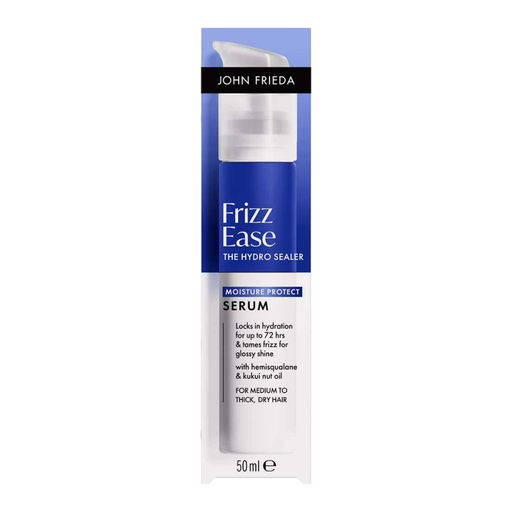
Why This Fits Their Persona: A practical match for frequent blow-drying or heat styling, particularly when damp UK weather makes frizz more noticeable.
The listing states a heat-protection rating of up to 230°C and gives separate damp- and dry-hair directions.
50ml serum; the product information states up to 230°C heat protection and up to three days of frizz control.
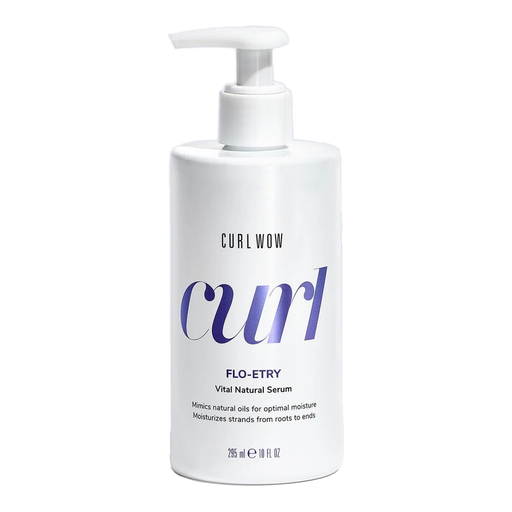
Why This Fits Their Persona: Designed for curly and coily hair types seeking moisture, definition and a touchable finish without a stiff styling feel.
Its directions recommend adjusting the amount to hair thickness and applying in sections, limiting uneven coverage and overloading.
295ml formula with jojoba, pequi and coconut oils, hydrolysed rice protein and vitamin E.
We have compiled a complete, real-time list of products that fully satisfy these strict selection criteria and UK safety regulations.
No. A serum can temporarily smooth and bind the appearance of split ends, making them feel softer and look tidier. It cannot permanently repair a split strand. Trimming is required to remove existing splits.
This depends on the formula. Many leave-in treatments are designed for damp hair before styling, while smoothing oils and split-end products may be intended for dry hair. Some, such as multi-use oil mists, provide instructions for both applications. Always follow the product label.
Shelf life varies by product and storage conditions. Check the packaging for the period-after-opening symbol, batch details and storage advice. Keep serums away from direct sunlight and excessive heat, and stop using any product that causes irritation or develops an unusual smell or texture.