
24/7 Customer Support

Free returns

Same-day & Next-day Delivery

Quality Guaranteed

Unlock Your Welcome Offers: FREE Delivery | Up to 80% OFF | Free 30-day JoyPlus trial
Download the APP
Dealing with hair that feels dry, brittle or frizzy can be a frustrating cycle. Whether it's from heat styling, colouring or just the British weather, finding an effective hair repair treatment often feels like navigating a maze of promises. Many of us have spent good money on products that deliver lacklustre results, leaving our hair—and our hopes—feeling depleted.
As the Joybuy Product Recommendation Officer, my role is to help you cut through the clutter. Before you add another bottle to your basket, let's look at the common pitfalls that lead to disappointing purchases and what to look for instead.
The haircare aisle is filled with compelling claims, but some common marketing tactics can lead you astray. Here are two frequent traps to be aware of:
To find a product that genuinely works for you, focus on these two practical considerations. They will help you match a product to your specific hair needs and routine.
Not all damage is the same. The key is to identify your primary concern and look for formulations designed to address it.
Choosing the right format is just as important as the ingredients.
Based on these practical criteria, here are a few options from our catalogue, matched to different user needs and lifestyles in the UK.
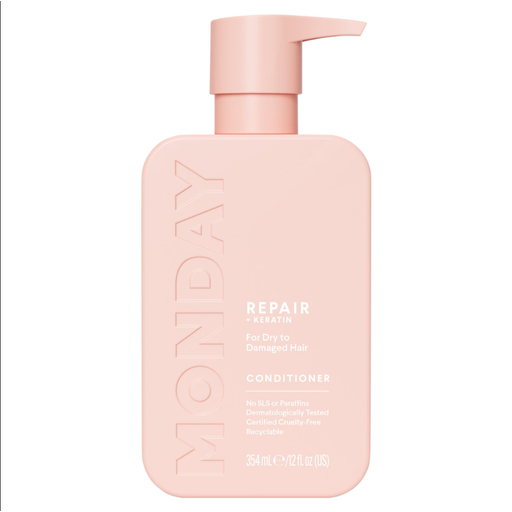
Why This Fits Their Persona: This is an accessible and affordable option for someone starting their hair repair journey. It's designed for daily use to consistently tackle dryness and damage without a hefty price tag.
It avoids the "miracle ingredient" myth by offering a balanced formula. It combines Hydrolysed Keratin for strength with a blend of hydrators like Coconut Oil, Shea Butter and Argan Oil for moisture.
It's pH balanced and free from SLS and parabens, making it a gentle choice for regular use on dry and depleted hair.
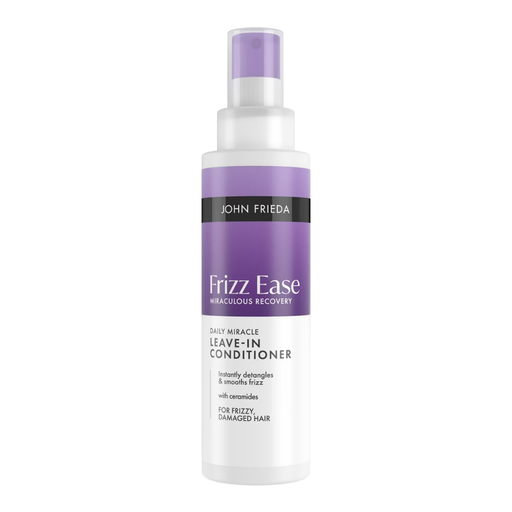
Why This Fits Their Persona: For those who regularly use straighteners, curling tongs or blow dryers, this product offers a crucial layer of defence. It's a multitasking leave-in treatment that protects while it repairs.
This avoids the "one-size-fits-all" trap by targeting a specific need. Its primary function is providing heat protection up to 230°C, a non-negotiable for anyone using hot tools.
The formula is infused with argan oil and keratin to nourish and smooth, while also offering humidity resistance to keep hair sleek even in damp weather.
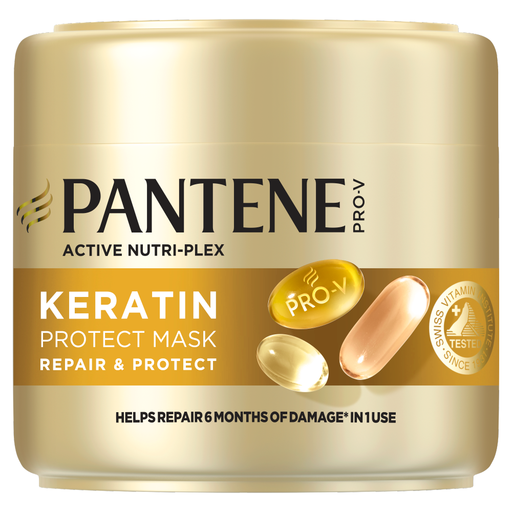
Why This Fits Their Persona: This is for someone with visibly damaged hair from styling or colouring who needs a powerful, concentrated treatment to use weekly. It's a dedicated repair session in a jar.
It avoids confusion by being clearly positioned as an intensive keratin hair treatment mask, not a daily conditioner. Its rich formula is designed for deep, periodic nourishment.
The formula is enriched with micro-nourishers and Active Nutri-Plex technology, designed to provide intensive nourishment and enhance smoothness and shine for damaged hair.
We have compiled a complete, real-time list of products that fully satisfy these strict selection criteria and UK safety regulations.
This depends on the product type and the condition of your hair. Intensive hair masks are generally recommended for use once or twice a week. Lighter repairing conditioners can often be used every time you wash your hair. Leave-in treatments like oils or serums can typically be used daily on damp or dry hair. Always check the directions on the product packaging.
No product can permanently fuse a split end back together; the only way to completely remove them is with a trim. However, a good treatment for split end repair can temporarily seal the hair cuticle, which makes split ends less noticeable and helps prevent them from splitting further up the hair shaft. Ingredients like proteins and silicones are effective at creating this smoothing effect.
A repairing conditioner is typically lighter and designed for more frequent, even daily, use to maintain hair health and manageability. A hair mask for damaged hair is a more concentrated, intensive treatment. It contains a higher level of conditioning and repairing agents and is meant to be left on the hair for a longer period (e.g., 3-15 minutes) to provide a deep boost of moisture and repair.