
24/7 Customer Support

Free returns

Same-day & Next-day Delivery

Quality Guaranteed

Unlock Your Welcome Offers: FREE Delivery | Up to 80% OFF | Free 30-day JoyPlus trial
Download the APP
Dryness, split ends, frizz and breakage can make almost any haircare product look tempting. However, buying a hair repair treatment based only on phrases such as “deep repair” or “instant transformation” can lead to wasted money and disappointing results. The right choice depends on your hair’s condition, how often you wash and style it, and whether you need hydration, strengthening, smoothing or extra volume.
This guide explains the main buying traps, the product details worth checking and which treatments may suit different UK haircare routines.
A conditioner or serum can make hair feel softer and easier to comb by coating the outer surface. That can be useful, particularly for frizz and tangling, but it does not necessarily mean that damaged areas have been permanently repaired.
Look for a clear explanation of the product’s purpose:
Hair that feels smoother after use may still need regular trimming and gentler handling.
A heavy hair mask for dry hair can leave fine or oily hair looking flat, particularly when applied near the roots. Conversely, a lightweight conditioner may not provide enough slip for thick, curly or highly processed hair.
Check whether the directions recommend applying the product to the mid-lengths and ends rather than the scalp. This is often a more practical approach for reducing weight at the roots while concentrating conditioning where damage is most visible.
A 3-in-1 formula can be convenient, but using a product as a daily conditioner, weekly mask and leave-in treatment requires different quantities and application methods. Fragrance, oils, silicones or proteins may also be unsuitable for individual preferences.
Read the full ingredient list and follow the packaging instructions. If you have a known sensitivity, pay particular attention to fragrance allergens such as limonene, linalool or geraniol.
For a damaged hair treatment, consider whether the formula contains conditioning agents such as cetearyl alcohol, behentrimonium chloride or glycerin. These can help improve softness, slip and manageability.
For a bond repair hair treatment, look for a clearly stated bond-focused complex or ingredients such as citric acid complexes, protein derivatives or specific bonding agents. Marketing terminology varies, so compare the actual ingredient list rather than relying on the front label alone.
If your hair feels rough and dry, oils and butters such as coconut oil, jojoba oil, shea butter or macadamia oil may provide a richer feel. Fine hair may be more comfortable with a lightweight conditioner or mist.
A rinse-out mask is practical for a weekly intensive routine. A leave-in hair treatment is more convenient for daily detangling, post-wash frizz control or heat-styling preparation, provided the product instructions support that use.
Do not use a rinse-out product as a leave-in simply because it feels light. Only products specifically labelled for leave-in use should be left on the hair.
Heavy masks are often better suited to thick, curly or very dry hair, while lightweight products can be more appropriate for fine strands. For a fine hair thickening conditioner, check whether it is intended for daily use and whether the formula is described as lightweight or non-greasy.
Also check the recommended frequency. Some strengthening hair treatments are intended for weekly use, whereas conditioners may be designed for every wash. Using several rich or protein-focused products together may make hair feel stiff, coated or difficult to style.
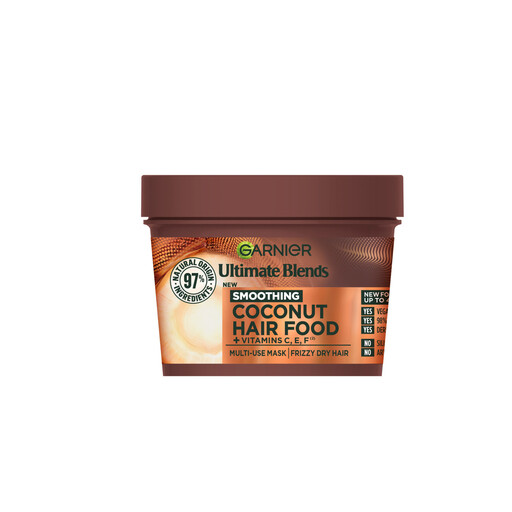
Why This Fits Their Persona: The 400ml tub and three application options make it practical for shoppers building a simple routine for dry or frizz-prone hair.
The label clearly explains conditioner, rinse-out mask and leave-in use, helping you adjust the amount and frequency instead of guessing.
Contains coconut oil, macadamia extract and shea butter; silicone-free and suitable for use as an anti-frizz hair treatment.
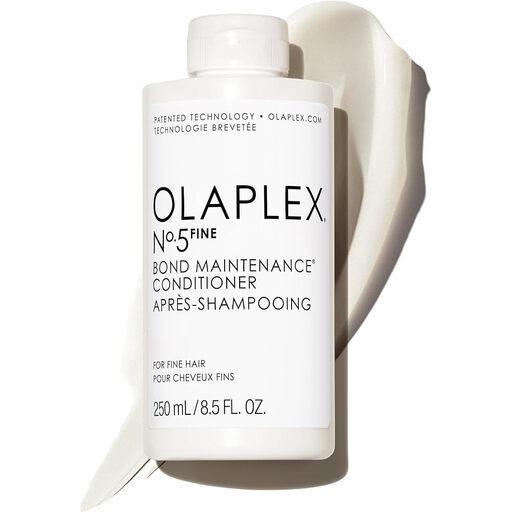
Why This Fits Their Persona: It is designed for fine hair, including colour-treated and chemically treated hair, making it suitable for shoppers who want conditioning without a heavy finish.
Its stated weightless format addresses the common problem of using a rich conditioner that reduces movement and volume in fine hair.
Includes a bond-focused ingredient, panthenol, glycerin and sodium hyaluronate; directions recommend leaving it for 1–3 minutes.
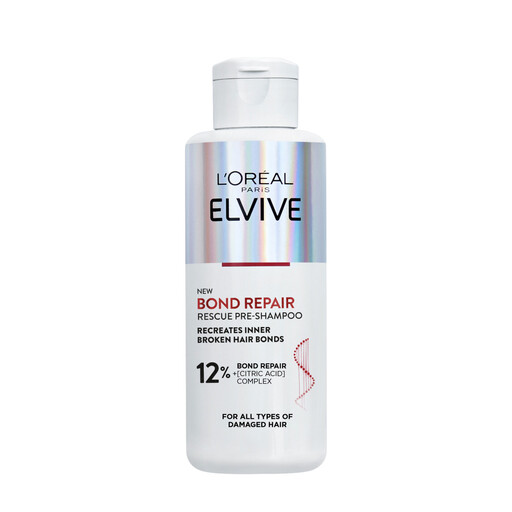
Why This Fits Their Persona: A pre-shampoo step suits people managing frequent heat styling, bleaching, colouring or brushing who are willing to follow a multi-step routine.
The use order is explicit: apply to damp hair before shampooing and leave for five minutes, so it is less likely to be treated like an ordinary conditioner.
Uses a citric acid complex and is designed as the first step in a bond repair routine for damaged hair.
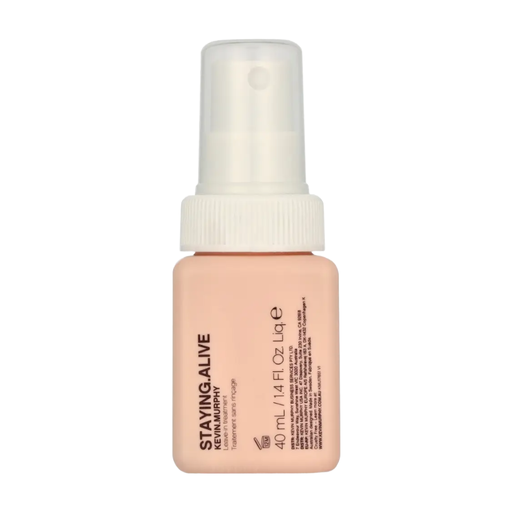
Why This Fits Their Persona: The mist format suits people who want to smooth dry or frizzy hair after washing without adding another rinse-out step.
It is clearly labelled as a non-rinse product and can be sprayed on damp or dry hair, avoiding confusion between a mask and a styling treatment.
Contains hydrolysed silk, glycerin, plant extracts and amodimethicone in a lightweight mist format.
We have compiled a complete, real-time list of products that fully satisfy these strict selection criteria and UK safety regulations.
A hair repair treatment can improve softness, shine, manageability and the appearance of breakage, but it cannot permanently restore split ends. Regular trims, reduced heat exposure and gentle detangling remain important parts of a damage-conscious routine.
A hair mask is usually a richer rinse-out product intended to provide intensive conditioning. “Hair repair treatment” is a broader term that can include masks, bond-focused products, conditioners, serums and leave-in formulas. Choose based on the application method and your main concern rather than the name alone.
Follow the product instructions. A rinse-out mask may be recommended once or twice a week, while a daily conditioner can be used after washing. If hair begins to feel heavy, stiff or coated, reduce the frequency or alternate a rich treatment with a lighter conditioner.
A suitable conditioner or leave-in product may improve slip, reduce tangling and make hair easier to handle, which can help limit mechanical stress during brushing. However, results vary by hair condition and routine. Avoid treating advertising percentages as a guarantee, and combine product use with gentle brushing and sensible heat protection.