
24/7 Customer Support

Free returns

Same-day & Next-day Delivery

Quality Guaranteed

Unlock Your Welcome Offers: FREE Delivery | Up to 80% OFF | Free 30-day JoyPlus trial
Download the APP
Dry ends, snapping strands and persistent frizz can make even a carefully styled hairstyle look untidy. For UK shoppers, changing weather and indoor heating can add to moisture loss, while colouring, bleaching, straighteners and frequent brushing may leave hair feeling brittle or rough.
However, not every product labelled as one of the hair repair treatments will suit every concern. A rich mask may weigh down fine hair, while a lightweight anti-frizz treatment may not provide enough conditioning for porous, over-processed lengths. Use the guide below to compare formulas by purpose rather than relying on attractive claims.
Silicones, conditioning agents and oils can make hair feel smoother and easier to comb immediately. That does not necessarily mean the hair has been permanently repaired. Hair fibre that has already split or broken cannot be restored to its original state by a cosmetic product.
Look for realistic descriptions such as improved manageability, softness, reduced friction and a smoother appearance. Treat claims about “bond repair” or “strengthening” as product positioning unless the packaging clearly explains the testing conditions. According to some brands’ own research, particular results may be reported under specific use routines, so avoid treating headline percentages as guaranteed outcomes for every user.
Coconut oil, shea butter, keratin, amino acids and botanical extracts can all appear in useful formulas, but a popular ingredient is not automatically suitable for your hair. Fine or low-density hair may become limp after a heavy butter-based mask. Thick, curly or very dry hair may need richer oils and longer conditioning time.
The base formula matters too. Check whether the product is a rinse-off mask, daily conditioner, pre-shampoo treatment or leave-in hair treatment before buying.
Some treatments work in minutes, while heat-activated anti-frizz products require thorough blow-drying. A product that is inconvenient to use may end up sitting unused in a bathroom cupboard.
Always check whether the formula should be applied to wet, damp or towel-dried hair, whether it needs rinsing and how often it is intended to be used. Follow the packaging instructions, particularly for colour-enhancing products and formulas containing fragrance allergens.
For fine or easily weighed-down hair, consider a lightweight conditioner, glossing treatment or small amount of leave-in product applied only to the ends. For thick, curly or highly porous hair, hair masks for damaged hair containing conditioning alcohols, oils or butters may provide a more suitable coating and detangling effect.
A rich formula does not necessarily equal stronger repair. Compare the product’s texture, recommended quantity and intended frequency of use.
A 50ml intensive masque may be practical for occasional use or travel, while a 400ml multi-use mask can offer more applications for longer or thicker hair. Calculate value by estimated uses rather than bottle size alone.
Also check the opening period symbol or packaging guidance. Store products in a cool, dry place, avoid contact with eyes and stop use if irritation occurs. Cosmetic products should be used as directed, and the latest ingredient list printed on the packaging should take priority over older online descriptions.
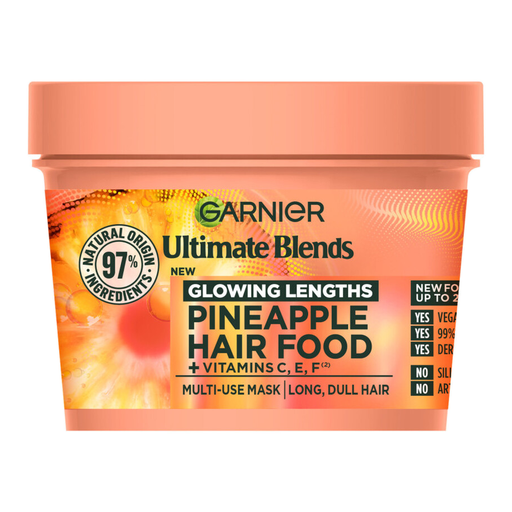
Why This Fits Their Persona: The generous 400ml size and three application methods make this a flexible starting point for shoppers comparing a conditioner, rinse-out mask and leave-in hair treatment.
Its instructions clearly distinguish conditioner, three-minute mask and leave-in use, helping you adjust the amount instead of over-applying a rich formula.
98% natural-origin ingredients, a vegan formula, no silicones and pineapple, amla, shea butter and coconut oil in the ingredient list.
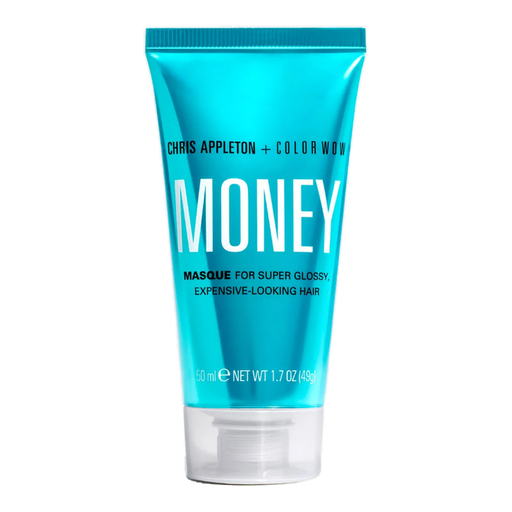
Why This Fits Their Persona: A smaller intensive masque suits shoppers with bleached, colour-treated or over-processed hair who prefer a focused weekly deep conditioning hair treatment.
The stated five-to-ten-minute application and mid-length-to-end placement support controlled use, rather than leaving a heavy treatment on indefinitely.
Includes hydrolysed keratin, panthenol, glycerin and amodimethicone; suitable for colour-treated, bleached and chemically processed hair according to the supplied product description.
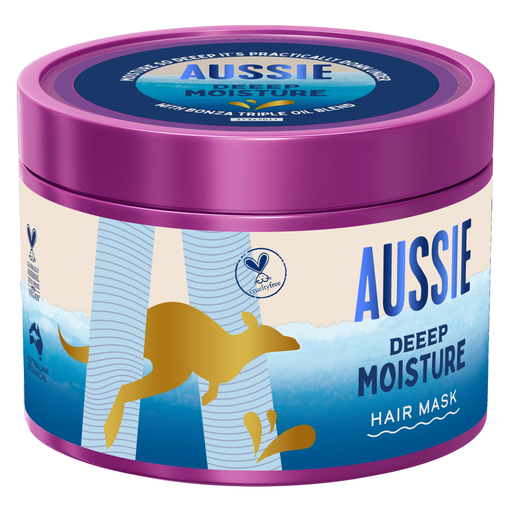
Why This Fits Their Persona: Thick, curly or very dry hair may benefit from a richer oil-based mask with flexible use for wash days, short treatments or longer conditioning sessions.
The three stated ways to use it make it easier to match treatment time and product quantity to hair thickness and dryness.
Contains jojoba, avocado and macadamia oils; the formula is described as vegan and PETA-certified cruelty-free, with 300ml of product.
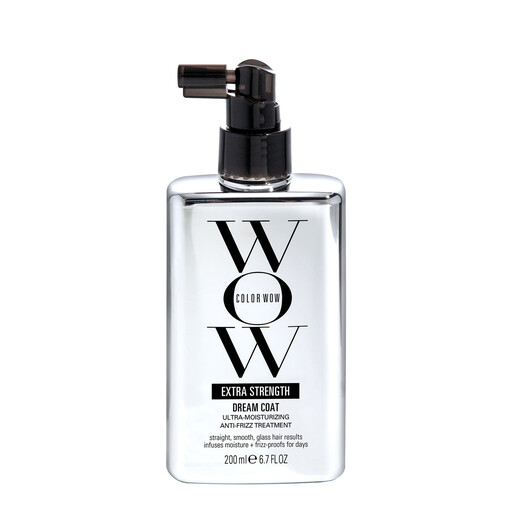
Why This Fits Their Persona: This suits people who prioritise anti-frizz control during damp UK weather and regularly blow-dry thick, coarse or difficult-to-manage hair.
It is not a rinse-off mask marketed for general repair: the directions specify towel-dried hair, no rinsing and blow-drying to activate the finish.
Heat-activated spray format, lightweight finish and a formula containing glycerin and film-forming silicones for a humidity-resistant styling effect.
Use a regular conditioner after shampooing, then add a deep conditioning hair treatment once or twice weekly when lengths feel dry or rough. Apply masks mainly from the mid-lengths to the ends, where older hair is more exposed to friction.
A bond repair hair treatment can be considered for hair affected by bleaching, colouring or repeated heat styling. Products such as the L'Oréal Paris Elvive Bond Repair Pre-Shampoo Treatment are designed to be used before shampoo, while its Bond Repair Conditioner is used after shampoo. Treat these as routine-specific products rather than mixing several intensive formulas at once.
For daily styling, a leave-in treatment can provide detangling and surface smoothing. If your main concern is humidity-related puffiness, use an anti-frizz hair treatment according to its heat and application instructions. A patch test is particularly important for colour products, and fragrance-sensitive shoppers should review ingredients such as limonene, linalool and parfum.
We have compiled a complete, real-time list of products that fully satisfy these strict selection criteria and UK safety regulations.
A rinse-off mask is commonly used once or twice a week, while a daily conditioner can be used after each wash if suitable for your hair. Follow the specific product directions. Using several rich treatments too frequently may leave hair coated, limp or difficult to style.
Many are designed for dry, brittle or processed hair, but suitability depends on the formula. Apply to the lengths and ends, avoid irritated skin and check the product description for colour-treated hair guidance. A mask can improve softness and manageability, but it cannot mend a permanently split end.
Choose a mask when you have time for a scheduled rinse-off treatment and want richer conditioning. Choose a leave-in hair treatment for daily detangling, lightweight smoothing or styling support. For frizz, compare whether the product needs blow-drying, as heat activation is part of the directions for some formulas.