
24/7 Customer Support

Free returns

Same-day & Next-day Delivery

Quality Guaranteed

Unlock Your Welcome Offers: FREE Delivery | Up to 80% OFF | Free 30-day JoyPlus trial
Download the APP
A hair serum can make hair feel smoother, look shinier and become easier to style, but the wrong formula may leave fine strands flat, curls limp or dry ends coated rather than conditioned. For UK shoppers comparing an anti-frizz hair serum, hair repair serum or leave-in hair treatment, the most useful approach is to match the formula with your hair type and styling routine.
Many serums create an immediate smoother appearance by coating the hair surface. This can be useful for controlling flyaways, but it does not mean split ends have been permanently repaired. Split-end repair serum products can bind or disguise frayed ends temporarily; only trimming removes a split end.
Look for realistic product information, such as whether the formula is intended for surface smoothing, moisture, heat protection or overnight conditioning. Avoid treating marketing language as a guarantee of structural repair.
A hair oil may suit coarse, curly or very dry hair, but heavier oils and silicone-rich formulas can make fine hair look greasy or reduce volume. A lightweight serum, mist or water-based leave-in treatment may be easier to distribute evenly.
The bottle size also matters. A 50ml serum can be convenient for occasional use or travel, while a 150ml or 200ml product may offer better value for frequent application.
Some products are designed for heat styling, while others focus mainly on shine, moisture or frizz control. Check the label for clear heat-protection directions and the recommended temperature where one is provided. Do not assume that every hair oil or curl serum protects hair from a hairdryer, straighteners or curling tools.
Silicones such as dimethicone, amodimethicone or dimethiconol can create slip, shine and a smoother feel. They are not automatically unsuitable, but users following silicone-free routines should check the full ingredient list.
Plant oils, including jojoba, argan, coconut and pequi oil, can provide a richer finish. Protein-based formulas may appeal to people concerned about weakened, over-processed hair, but frequent use may not suit every hair type. Always check the current packaging, particularly if you have fragrance sensitivities.
Most leave-in serums work best on the lengths and ends, not directly on the scalp. Start with one or two drops or pumps, spread the product between your palms and add more only if required. For products used on damp hair, apply after washing and conditioning before styling.
Use products only as directed, avoid eye contact and stop using them if irritation develops. Where a product includes a patch-test instruction, follow it. For UK purchases, check the packaging for the responsible-person details, ingredients, net contents and usage warnings required for cosmetic products.
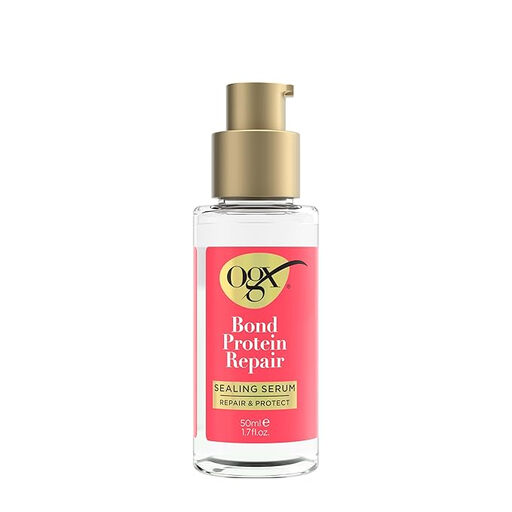
Why This Fits Their Persona: A compact leave-in option for shoppers starting a simple repair routine, particularly those with dry, damaged or frizzy hair.
Its directions specify one to two uses per week, helping users avoid over-applying a repair-focused formula.
50ml size; lightweight, no-rinse overnight application; contains hydrolysed keratin, panthenol and wheat protein.
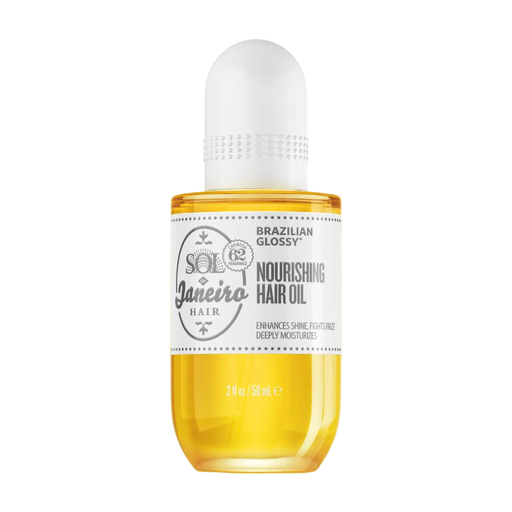
Why This Fits Their Persona: Suits shoppers who prioritise a glossy finish, a scented hair oil and flexible use on wet or dry lengths.
The directions distinguish between use on damp hair and a few drops on dry hair, supporting controlled application.
Contains patauá, buriti and pequi oils; product information states heat protection up to 230°C and frizz control.
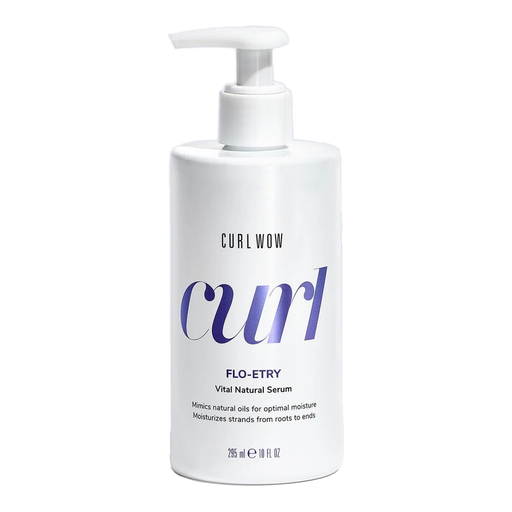
Why This Fits Their Persona: Designed for curly and coily hair types, including 3a–4c patterns, and suitable for people who refresh curls between wash days.
The supplied directions recommend adjusting the amount to hair thickness and using only a tiny quantity for dry-hair refreshment.
295ml format; includes jojoba, coconut and pequi oils, hydrolysed rice protein and vitamin E; described as vegan-friendly and colour-safe.
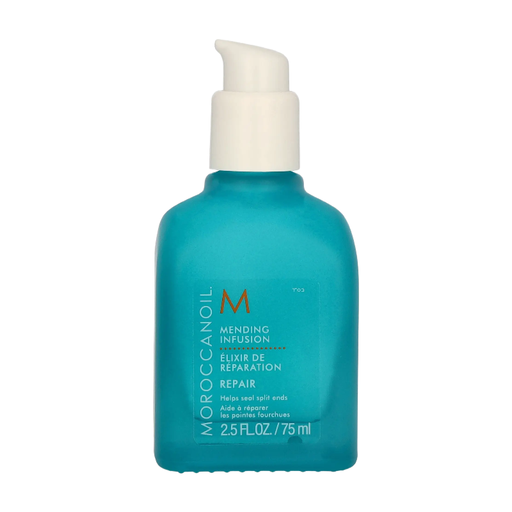
Why This Fits Their Persona: A practical choice for dry, damaged or colour-treated ends that need targeted finishing care after styling.
It is directed mainly at dry hair, mid-lengths and ends, reducing the risk of coating the scalp or flattening roots.
75ml size; contains argan oil, quinoa protein and baobab extract; designed to smooth the visible appearance of split ends.
We have compiled a complete, real-time list of products that fully satisfy these strict selection criteria and UK safety regulations.
Many cosmetic products display an open-jar period, commonly 12 months, but this varies. Follow the packaging, keep the cap closed and store the serum away from direct sunlight and excessive heat. Changes in smell, colour or texture are reasons to stop using it.
Usually, no. A serum is generally a finishing or leave-in product, while conditioner is rinsed out to provide detangling and softness after shampooing. A leave-in hair treatment can supplement conditioner, but it should not automatically replace a complete wash routine.
Follow the product directions. Damp hair is often suitable for detangling, smoothing and heat styling, while dry hair application can help control flyaways and add shine. In both cases, use a modest amount and concentrate on the lengths and ends.