
24/7 Customer Support

Free returns

Same-day & Next-day Delivery

Quality Guaranteed

Unlock Your Welcome Offers: FREE Delivery | Up to 80% OFF | Free 30-day JoyPlus trial
Download the APP
Dry ends, static, flyaways and a lack of shine can make hair difficult to manage, particularly during damp UK weather. A leave-in serum can help smooth the hair’s surface, improve combability and add a polished finish, but the right choice depends on your hair type and styling routine.
The product with the most impressive-looking claims is not automatically the most suitable. Before buying an anti-frizz hair serum, watch for these common pitfalls.
Most serums work on the outside of the hair. Silicones, oils, conditioning agents and film-formers can reduce friction, smooth rough-feeling lengths and create shine. This can make hair look healthier, but it does not mean permanently repaired or “rebuilt” hair.
If your main concern is breakage, look for a hair serum for damaged hair that includes conditioning proteins, amino acids or bond-care ingredients. Treat claims such as “repair” as a description of the intended cosmetic effect, rather than a medical or permanent result.
An oil-heavy product may suit coarse or very dry hair but leave fine hair looking flat or greasy. Applying too much serum can also make roots appear oily, especially if the product is spread over the scalp.
For finer hair, choose a lightweight formula and apply a small amount from the mid-lengths to the ends. Thicker, curly or highly porous hair may tolerate a richer leave-in hair treatment.
Some smoothing products are designed only for finishing and shine. If you regularly use a hairdryer, straighteners or curling tools, check that the packaging specifically describes heat protection and states a temperature limit. Also remember that heat protection does not make frequent high-temperature styling risk-free.
A practical hair serum should spread easily without leaving a sticky coating. Cream-to-liquid formulas can offer extra moisture, while clear silicone-based serums often provide slip and a smooth finish with only a few drops.
Check whether the product is intended for damp hair, dry hair or both. Applying serum to towel-dried lengths generally distributes it more evenly before blow-drying. A tiny amount on dry hair can be useful for refreshing the style or taming flyaways.
For a heat protection hair serum, look for a stated temperature such as up to 230°C. This is a product specification, not a guarantee that hair will remain undamaged under every styling condition. Use the lowest practical temperature, keep tools moving and avoid applying excessive product.
For a hair serum for dry hair, ingredients such as glycerin, betaine, plant oils and conditioning silicones may help hair feel softer and less rough. Protein-containing formulas can be useful when hair feels weak or brittle, although too much protein may make some hair feel stiff.
If shine is your priority, look for smoothing agents and lightweight oils. A split-end repair serum can temporarily improve the appearance and feel of split ends, but trimming remains the dependable way to remove them. People with curls should prioritise a curl serum that supports definition without leaving a hard or crunchy finish.
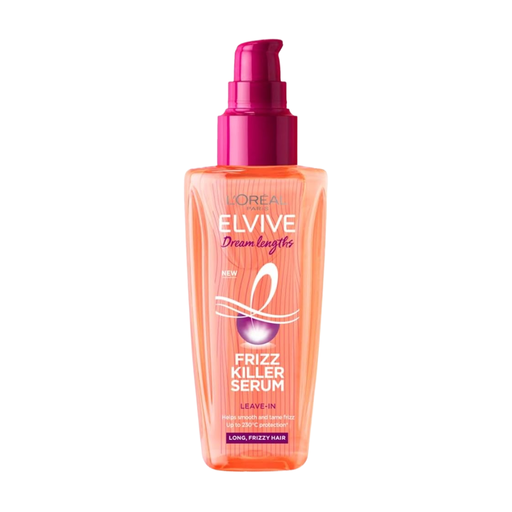
Why This Fits Their Persona: A 100ml option for shoppers seeking a straightforward anti-frizz and heat-protection step for long, frizzy hair before blow-drying or straightening.
The listing specifies a lightweight, non-greasy formula and heat protection up to 230°C, rather than relying only on general smoothing language.
Designed for long hair; contains vegetal keratin and cocoa butter; can be used on damp or dry hair.
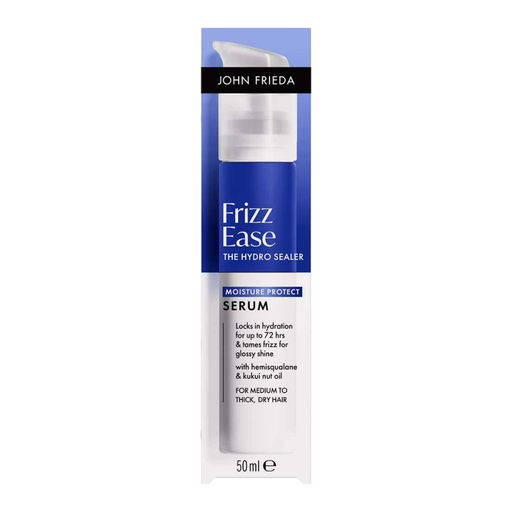
Why This Fits Their Persona: Suits dry, dehydrated hair that needs moisture, smoothness and humidity resistance during wet or changeable UK weather.
Its listed specifications include a non-greasy texture, heat protection up to 230°C and humidity resistance, making the intended use clearer.
Suitable for daily use and colour-treated hair according to the product information; adds moisture and shine without a heavy finish.
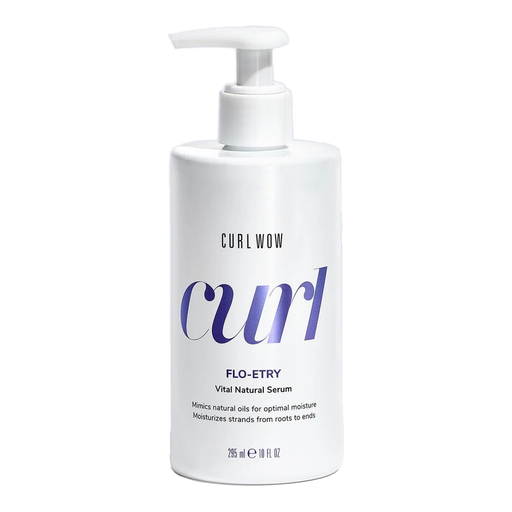
Why This Fits Their Persona: A larger 295ml format for curly and coily hair routines where hydration, curl definition and regular refreshes are important.
The instructions specify adjusting the amount to hair thickness and using only a tiny quantity for dry-hair refreshes, helping reduce over-application.
Formulated for 3a–4c curls; includes jojoba, pequi and coconut oils, plus hydrolysed rice protein and vitamin E.
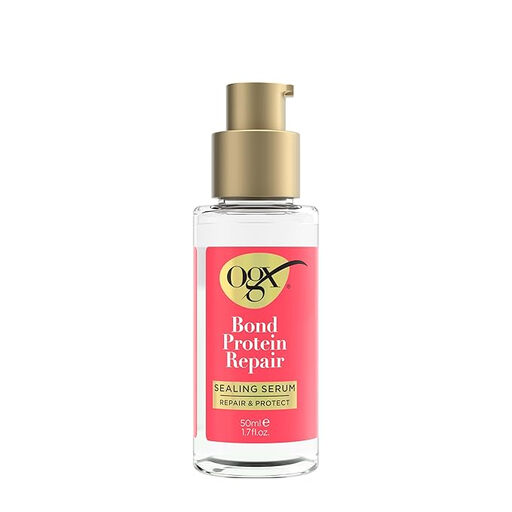
Why This Fits Their Persona: Appropriate for shoppers who want a targeted overnight hair serum for damaged hair rather than a daily styling product.
The usage guidance recommends a small amount once or twice weekly, helping distinguish it from a product intended for unlimited daily application.
Leave-in overnight format; contains hydrolysed keratin, wheat protein, panthenol and camellia seed oil.
Do not apply cosmetic serum to broken skin, and avoid contact with the eyes. If irritation develops, stop using the product and rinse thoroughly. Always check the packaging for the current ingredient list, warnings and storage guidance, particularly if you have fragrance sensitivities.
We have compiled a complete, real-time list of products that fully satisfy these strict selection criteria and UK safety regulations.
No. A serum is usually a finishing or leave-in treatment, while conditioner is rinsed out and designed to soften and detangle after washing. Use both if your hair needs additional moisture, but follow the instructions for each product.
The shelf life varies by formula and packaging. Some products list a 12-month period after opening, while others direct shoppers to the label for current information. Store serum in a cool, dry place away from direct sunlight and close the container securely.
It can be useful when the formula creates a light coating that reduces surface roughness and helps limit flyaways. Choose an anti-frizz hair serum with stated humidity resistance if that is a key concern, and apply only enough to coat the lengths without making them heavy.