
24/7 Customer Support

Free returns

Same-day & Next-day Delivery

Quality Guaranteed

Unlock Your Welcome Offers: FREE Delivery | Up to 80% OFF | Free 30-day JoyPlus trial
Download the APP
Navigating the hair care aisle can feel overwhelming. With countless bottles promising miraculous transformations, it's easy to end up with a bathroom cabinet full of products that don't quite deliver. As a Joybuy Product Recommendation Officer, my role is to help you see past the marketing jargon and focus on what truly matters for your hair. Many of us fall into common traps, choosing a hair shampoo based on appealing scents or trendy ingredients rather than our specific needs.
Before you make your next purchase, let's look at a few common pitfalls that lead to disappointing results and wasted money:
sulphate-free shampoo has been immense. While these formulas are excellent for sensitive scalps and preserving hair colour, they aren't a universal necessity. For those with very oily hair or significant product build-up, a shampoo with sulphates can provide a more effective cleanse. The trap is paying a premium for a feature that may not be beneficial for your hair type.repair shampoo for all kinds of damage. However, the needs of hair damaged by heat styling are different from those of hair weakened by bleaching. A generic formula may offer some conditioning, but it often fails to provide the targeted support your hair actually requires.To find a hair shampoo that works for you, it's essential to move beyond the front-of-bottle claims and understand a few core parameters.
The most important step is to correctly identify your primary concern. Your hair's needs start at the root.
shampoo for oily hair that can effectively cleanse excess sebum without stripping your ends. Look for clarifying or rebalancing formulas.shampoo for dry hair or a shampoo for damaged hair. These should contain nourishing ingredients that replenish moisture and fortify the hair structure.volumising shampoo is your best bet. These are typically lightweight and formulated to give hair a lift from the root without weighing it down.scalp shampoo, often with a gentle, hypoallergenic formula, can provide relief and restore balance.You don't need a degree in chemistry, but knowing a few key ingredients can make all the difference.
hydrating shampoo will contain humectants and emollients. Look for ingredients like Glycerin, Panthenol (Pro-Vitamin B5), Argan Oil, Macadamia Oil and Coconut Oil. For repair, proteins like Keratin and Hydrolysed Silk Protein help to patch up the hair's cuticle.cruelty-free shampoo is often marked with a logo from organisations like PETA.Instead of a generic list, we've matched some noteworthy products to specific UK user profiles. This helps you find a product that aligns with your lifestyle and hair goals.
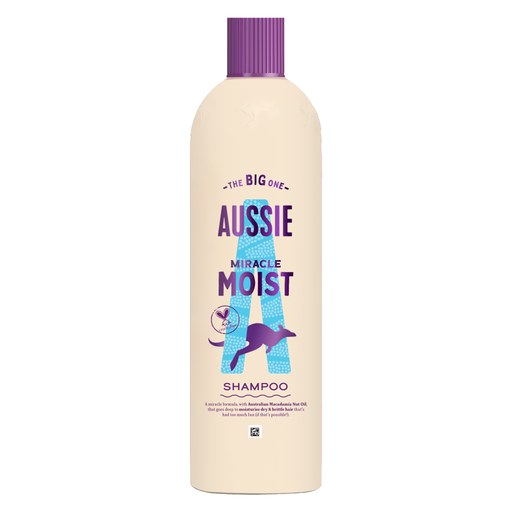
Why This Fits Their Persona: This shampoo offers a straightforward and effective solution for anyone dealing with dryness without wanting to spend a fortune. The generous 400ml bottle provides excellent value, delivering intense hydration that leaves hair feeling soft and manageable.
It avoids vague "repair" claims by focusing squarely on what it does well: quenching thirsty hair. Its purpose is clear, providing a reliable moisture boost rather than promising to fix every possible hair issue.
Formulated with Australian Macadamia Nut Oil for deep nourishment. It is also recognised by PETA as a cruelty-free brand.
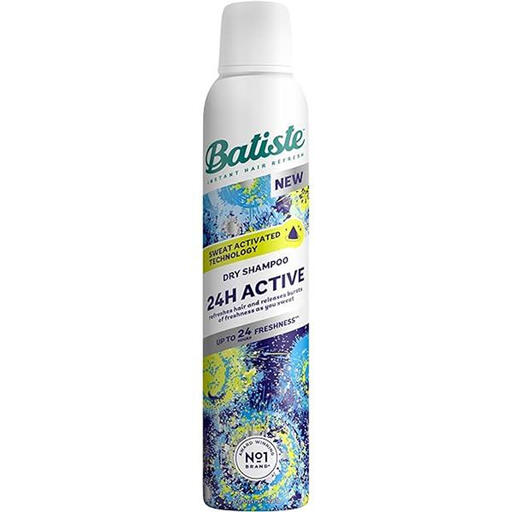
Why This Fits Their Persona: For those with an active lifestyle, washing hair after every workout isn't always practical. This dry shampoo is designed specifically for this scenario, allowing you to refresh your hair quickly and effectively, absorbing sweat and oil without water.
It's a highly specialised product, not a replacement for a proper wash. It avoids the trap of being a "one-size-fits-all" solution by excelling at its one job: providing a quick, effective refresh for active individuals.
Features sweat-activated microcapsules that release bursts of freshness as you move. According to a consumer study cited by the brand, 91% of women agreed their hair looked clean after a workout.
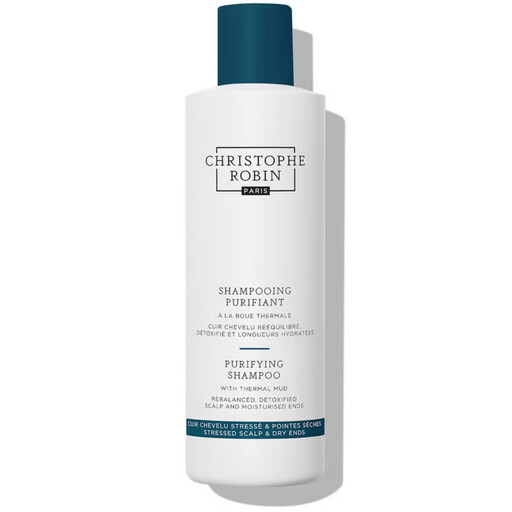
Why This Fits Their Persona: This user is willing to invest in a high-quality scalp shampoo to address issues like product build-up, pollution and oil imbalance. This formula offers a detoxifying experience that rebalances the scalp without causing dryness.
It sidesteps the vague "natural" label by using a specific, high-performance ingredient—thermal mud—to achieve a clear goal: purifying the scalp. It's a targeted treatment, not a generic wellness product.
Effectively removes impurities, pollution and product build-up. It is also colour-safe, making it suitable for those with treated hair who also need deep scalp care.
For those moments between washes, a quality dry shampoo can be a lifesaver. We have compiled a complete, real-time list of products that satisfy these strict selection criteria and UK safety regulations.
This depends entirely on your scalp type, not a universal rule. Those with an oily scalp might find daily washing necessary to feel fresh. If you have a dry scalp or coarse hair, washing every 2-4 days may be sufficient. Pay attention to how your hair and scalp feel, and adjust your routine accordingly.
For most people, yes. A sulphate-free shampoo uses milder cleansing agents that are effective at removing everyday dirt and oil without stripping the hair's natural moisture. However, if you frequently use heavy styling products like waxes or serums, or have a particularly oily scalp, you might find it beneficial to use a clarifying shampoo (which may contain sulphates) once a week to prevent build-up.
A hydrating shampoo is primarily focused on replenishing and retaining moisture. It's ideal for hair that is naturally dry, coarse or exposed to dry conditions. A repair shampoo, on the other hand, is formulated to help mend the hair's structure. It often contains proteins, like keratin, which work to fill in gaps in the hair's cuticle layer, strengthening strands that have been weakened by heat styling or chemical treatments.