
24/7 Customer Support

Free returns

Same-day & Next-day Delivery

Quality Guaranteed

Unlock Your Welcome Offers: FREE Delivery | Up to 80% OFF | Free 30-day JoyPlus trial
Download the APP
By Joybuy Product Recommendation Officer
Dullness, flyaways and dry ends can make even a carefully styled look appear flat. However, choosing hair shine products based only on glossy packaging or bold claims can lead to wasted money. The right option depends on your hair texture, colour, scalp needs and styling routine.
Oils, silicones and conditioning agents can make strands look smoother by helping light reflect from the surface. This can be useful, but a shiny finish does not necessarily mean the product has repaired damage or changed the condition of the hair. Treat “gloss” as a cosmetic appearance benefit rather than a medical or restorative promise.
A heavy oil or serum may suit coarse, dry hair but leave fine hair limp or greasy. Applying too much product near the roots can also make hair look oily soon after washing. Lightweight formulas, careful dosing and application through the mid-lengths and ends are usually more practical for finer hair.
A regular shampoo may not address yellow or brassy tones in blonde, silver or grey hair. Similarly, a shine product without heat protection may not suit someone who regularly blow-dries or uses heated tools. Check whether the item is intended for colour-treated hair, wet or dry use and the correct styling temperature.
For everyday smoothness, look for conditioning ingredients, glycerin or lightweight oils. A hair serum for shine is generally useful as a finishing product, while a hair oil for dry hair can provide a richer coating for coarse or dehydrated lengths. If your main concern is flyaways, compare anti-frizz hair products with a lightweight finish rather than selecting the richest formula available.
Curly and coily hair often benefits from products that support definition without stiffness. Check for directions that specify application to towel-dried hair and use a small amount first. A curl defining serum should help strands feel conditioned while preserving movement.
A shampoo for shiny hair should match your scalp and hair type, not simply promise a reflective finish. Clarifying formulas may be useful when styling residue or excess oil is making hair look dull, but frequent use may not suit dry lengths. For everyday washing, compare cleansing strength, conditioning ingredients and fragrance preferences.
For blonde hair, a blonde brightening shampoo may be designed to refresh the appearance of lighter tones. For silver, grey or white hair, a silver shampoo for grey hair can be considered when unwanted warm tones are a concern. Toning shampoos may contain colourants, so follow the label instructions and avoid leaving them on longer than recommended.
A heated brush should show its temperature settings clearly and be used only on dry, detangled hair unless the instructions state otherwise. Lower temperatures are more suitable for fine or fragile hair, while thicker hair may require a higher setting. Look for a UK plug, swivel cord and an automatic safety feature where available.
Do not confuse a heated styling brush with a volumising hair dryer brush. A hot brush shapes already dry hair; a dryer brush combines airflow and brushing to dry and style damp hair. Selecting the wrong type can make your routine slower or unsuitable for your hair’s condition.
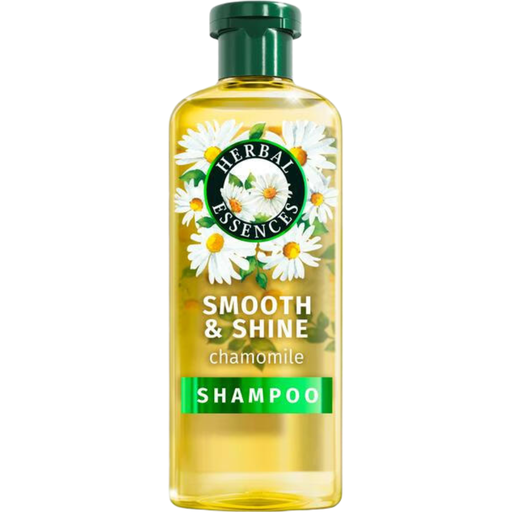
Why This Fits Their Persona: A straightforward everyday shampoo for UK shoppers who want to start with a simple cleansing and smoothing routine.
Its silicone-free formula and clear shampoo directions make it easier to assess as a wash product rather than expecting it to replace a conditioner or treatment.
350ml size; chamomile extract; vegan and silicone-free formula according to the listing.
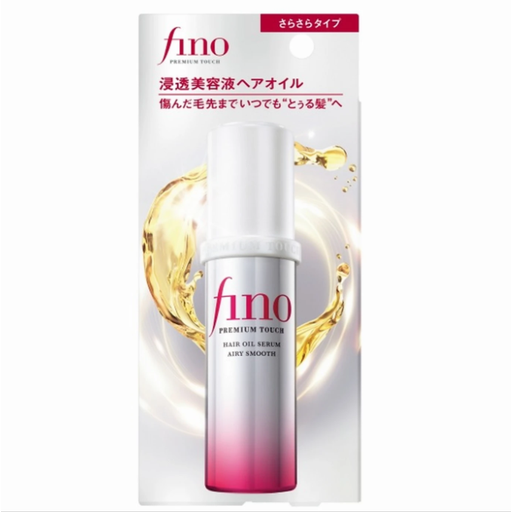
Why This Fits Their Persona: The light finish suits shoppers seeking a polished look without choosing a larger, heavier treatment bottle.
The product is specifically identified as “Light & Smooth”, helping shoppers distinguish it from richer oils that may weigh down fine hair.
70ml format; designed to address dryness and frizz; precise bottle application described in the listing.
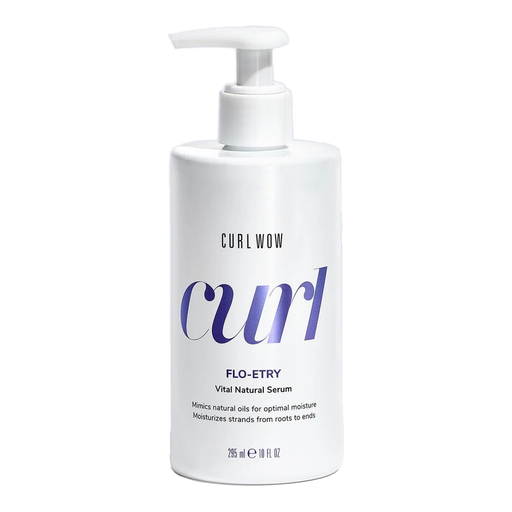
Why This Fits Their Persona: A practical match for people with curly or coily hair who prioritise hydration, definition and frizz control.
The directions specify adjusting the amount by hair thickness and using a tiny quantity for dry-hair refreshes, reducing the risk of product overload.
295ml size; intended for curl types 3a–4c; includes jojoba, coconut and pequi oils plus hydrolysed rice protein.
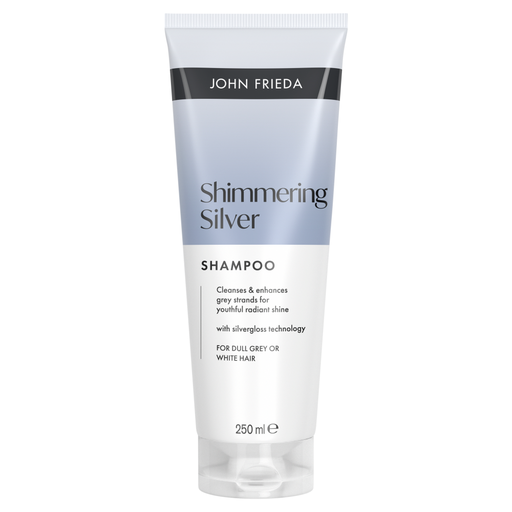
Why This Fits Their Persona: Suitable for shoppers with grey, white or silver-toned hair who want to manage the appearance of warm tones during washing.
It is positioned as a toning shampoo rather than a general repair treatment, with directions to massage, rinse and follow with conditioner.
250ml size; designed for grey, white and silver hair; contains colourants intended to neutralise warm-looking tones.
Other options include the L'Oréal Paris Elvive Glycolic Gloss Leave-in Serum for Dull Hair, TRESemmé Finishing Hair Oil Lamellar Shine and a volumising hair dryer brush such as the Revlon Salon One-Step Hair Dryer and Volumiser. Always check the current packaging for ingredients, instructions and safety information, as formulations can change.
We have compiled a complete, real-time list of products that fully satisfy these strict selection criteria and UK safety regulations.
Start with a conditioner or lightweight leave-in product, then consider a small amount of hair oil through the ends. Coarse, curly or chemically treated hair may tolerate a richer formula, while fine hair usually needs less product and application away from the roots.
Yes, particularly when oil or serum is applied too close to the scalp or used in excess. Begin with a small quantity on the palms, smooth it over the lengths and ends, and add more only if needed.
Follow the product label and observe how your hair responds. Toning shampoos are not always intended for every wash. Alternate with a regular shampoo and use conditioner if the lengths feel dry or less manageable.